

Tailor-made safaris. Since 1991



Zanzibar: spice island, white sand, warm water and history
Zanzibar at a glance:
Location: Indian Ocean, off the coast of Tanzania; the main island of the Zanzibar Archipelago, approximately 35km from the mainland | Main access: Abeid Amani Karume International Airport (ZNZ), 6km from Stone Town; 20-minute flight from Dar es Salaam; direct international connections available |
UNESCO World Heritage Site: Stone Town, inscribed 2000 | Best time to visit: June–October (long dry season); December–February (short dry season); avoid April–May (long rains) |
Currency: Tanzanian Shilling (TZS); USD widely accepted in tourist areas | Malaria risk: Yes; antimalarial medication strongly recommended; consult your doctor before travel |
Getting there: Direct international flights; 20-minute domestic flight from Dar es Salaam; ferry from Dar es Salaam (approximately 2 hours) | Recommended stay: Minimum 5–7 nights to experience beaches and Stone Town; longer for dedicated diving programmes |
Why visit Zanzibar?
Few Indian Ocean islands carry the weight of history that Zanzibar does, and fewer still combine it with beaches and marine life of this quality. Also known as Unguja, the largest in the Zanzibar Archipelago, Zanzibar sits roughly 35km off the Tanzanian coast, close enough to the mainland to make it a natural extension of any safari itinerary, and distinctive enough to justify a visit entirely on its own terms.
Its coastline alone makes a compelling case. The north offers tide-free swimming in warm, crystalline water year-round. The northeast is tranquil and largely undeveloped, with the Mnemba Atoll, one of the Indian Ocean's finest protected marine reserves, just offshore. The southeast draws kitesurfers from around the world to Paje, where winds blow consistently through most of the year.
Zanzibar's depth extends well beyond its beaches. Stone Town, the island's UNESCO-listed historic quarter, is a living city shaped by more than a thousand years of Indian Ocean trade. Arab, Indian, Persian, Portuguese, and British influences are layered into coral-stone architecture, over 500 carved doors, and alleyways that carry the smell of cloves and the sea. Working spice farms producing cloves, cinnamon, vanilla, and cardamom sit a short drive from town, and Jozani Chakwa Bay National Park is the last sanctuary of the endemic and endangered Zanzibar red colobus monkey.
This destination rewards every kind of traveller: those who want nothing but the water and a sunlounger, and those who want to understand the place they are in.
5 reasons we love Zanzibar
Stone Town's living UNESCO heritage: A coral-stone city of 16,000 residents, 500-plus carved doors, the Forodhani night market, and more than a millennium of layered history, still inhabited.
The Indian Ocean's finest dive destination: Mnemba Atoll is a protected marine reserve with exceptional visibility, green turtle nesting sites, reef sharks, and dolphins, and offers some of the most compelling diving in East Africa.
Beaches for every kind of traveller: Tide-free north (Nungwi, Kendwa), tranquil northeast (Matemwe), boutique seclusion at Pongwe, kitesurfing at Paje. Each coast has a completely different character and atmosphere.
The Spice Island experience: Cloves, cinnamon, vanilla, and cardamom grown on working farms 20–30 minutes from Stone Town. A guided plantation visit connects the island's ancient trading identity directly to the present day.
The natural Tanzania safari extension: A short flight from the Serengeti, Ruaha, or Kilimanjaro airstrips delivers you to an Indian Ocean island, completing the bush-and-beach pairing that defines the Tanzania itinerary.
All you need to know about Zanzibar
About Zanzibar
Unguja, the island the world knows as Zanzibar, is the largest island of the semi-autonomous Zanzibar Archipelago, covering approximately 1,658 square kilometres in the Indian Ocean off Tanzania's coast. Its capital, Zanzibar City, sits on the western shore; Stone Town, the city's UNESCO-listed historic quarter, is where most visitors begin.
The island's identity stems from its position. For centuries, Zanzibar was the commercial centre of the western Indian Ocean: the hub of the spice trade as well as a dark history of trading in slaves and ivory, a seat of the Omani Sultanate, and a crossroads of Arab, African, Indian, Persian, Portuguese, and British influence. That history is not abstract; it is present in the coral-stone architecture, the carved wooden doors, and the cuisine of Stone Town's streets today.
Zanzibar is predominantly Muslim, and Kiswahili is the primary language, though English is widely spoken in tourist areas. The island has its own government and immigration service, and you need a valid passport even when travelling from mainland Tanzania. Its landscape ranges from coral reefs and tidal lagoons to groundwater forest, mangrove wetlands, and working spice plantations in the interior.
Things to do in Zanzibar
Dive Mnemba Atoll: A protected marine reserve off the northeast coast with outstanding visibility, green turtle nesting sites, reef sharks, and dolphins. The finest diving destination in the Zanzibar Archipelago.
Kitesurf at Paje: The southeast coast's consistent winds make Paje one of East Africa's premier kitesurfing destinations, with warm shallow water, professional tuition, and a vibrant village setting.
Walk Jozani Forest: Zanzibar's only national park; guided walks through groundwater forest to see the endemic, endangered Zanzibar red colobus monkey, a species found nowhere else on Earth.
Take a spice plantation tour: Half-day guided visits to working farms 20–30 minutes from Stone Town; cloves, cinnamon, cardamom, and vanilla tasted fresh from the plant, in the landscape that made these the Spice Islands.
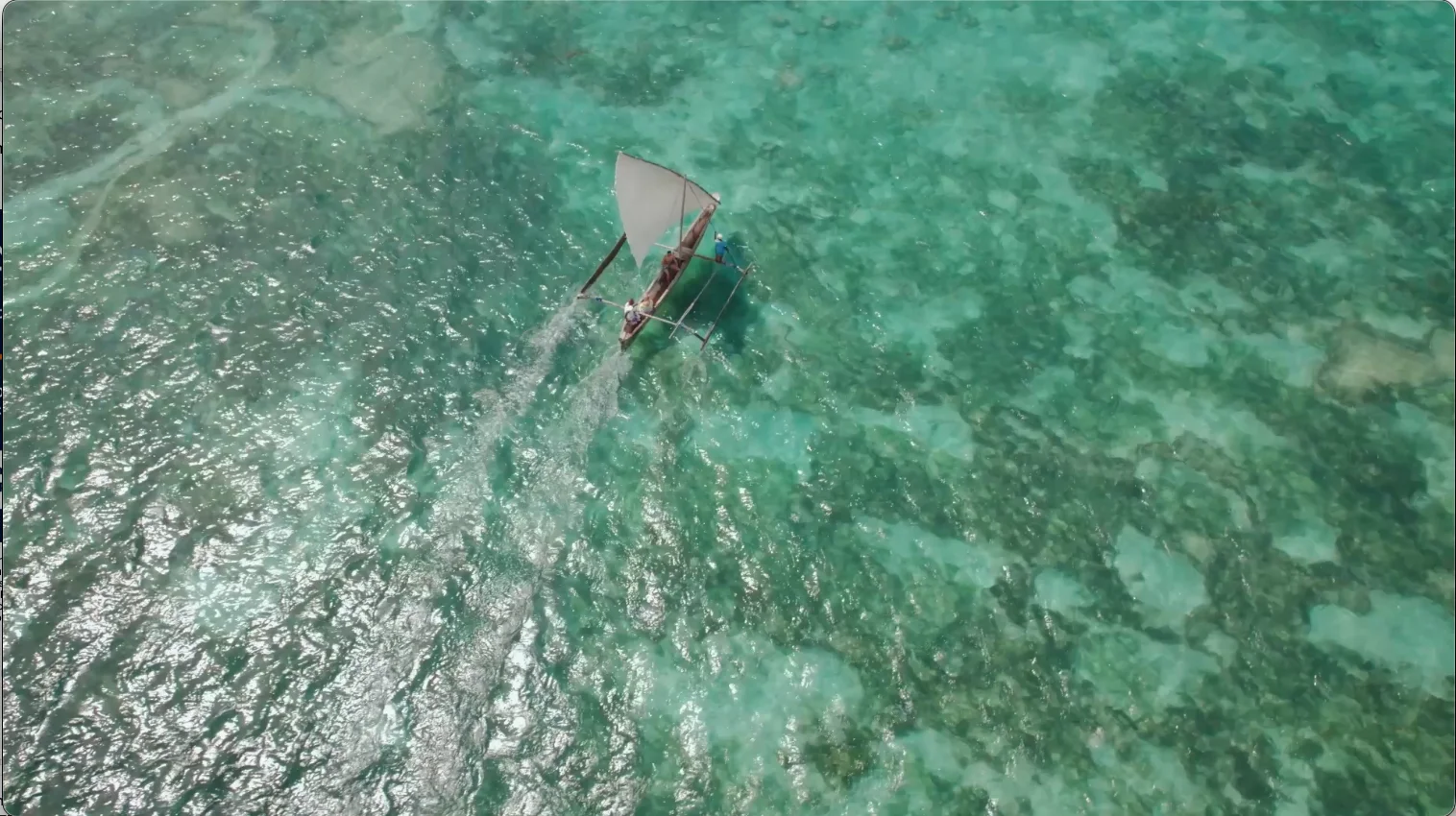
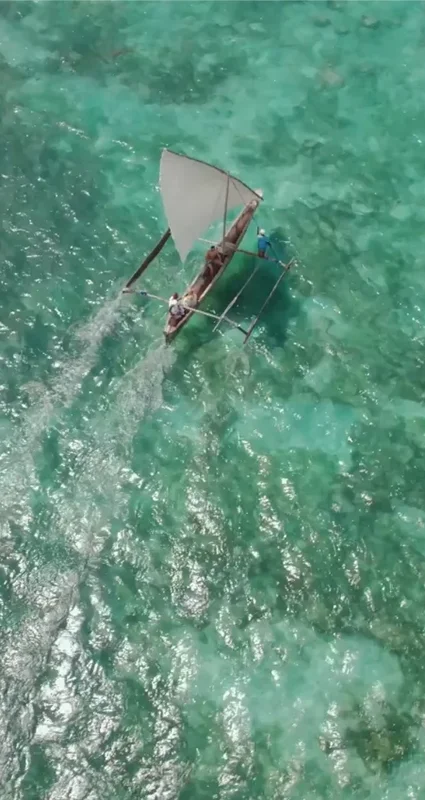
Sail at sunset on a traditional dhow: The triangular-sailed wooden dhow has worked these Indian Ocean waters for centuries; evening cruises from multiple coastal areas offer an atmospheric end to any beach day.
Snorkel Chumbe Island: Zanzibar's first designated marine reserve south of Stone Town; a strictly controlled eco-tourism site protecting a pristine shallow reef with around 370 fish species.
Stone Town
Stone Town is the historic heart of Zanzibar City, inscribed as a UNESCO World Heritage Site in 2000 for its outstanding example of a Swahili coastal trading town. Unlike many heritage sites, it remains a living city. Around 16,000 people inhabit buildings that are centuries old, and its narrow alleyways carry the scent of cloves, cardamom, and the sea.
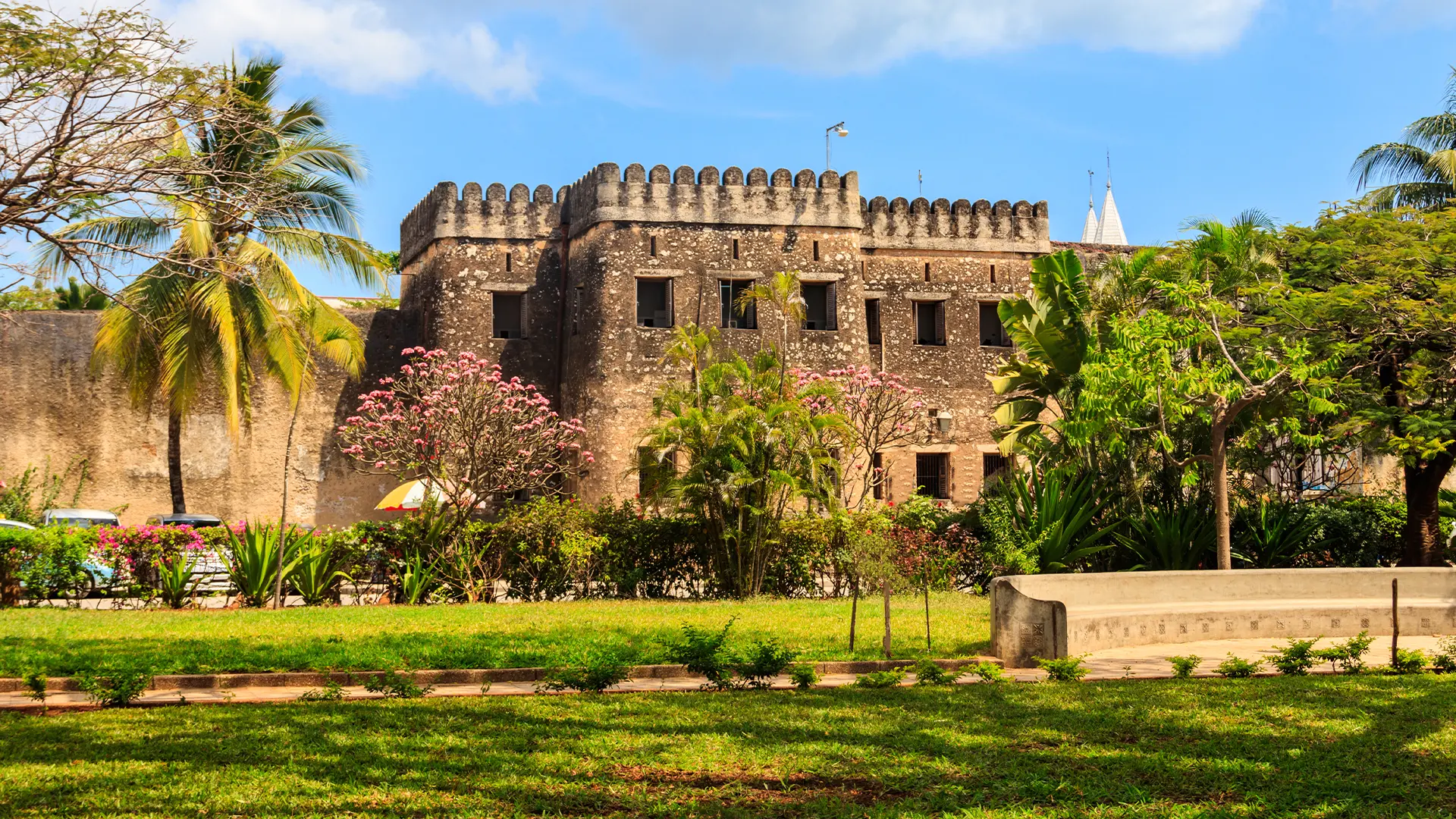
The architecture reflects every civilisation that traded here: Arab, Indian, Persian, Portuguese, and British influences appear, often within the same building, constructed from locally cut coral ragstone. More than 500 intricately carved wooden doors survive throughout the old quarter, each encoding meaning through its motifs. The Old Fort, built by Omani Arabs in the 1690s, is the oldest standing building in Stone Town. The Anglican Cathedral stands on the site of the island's former slave market, through which tens of thousands of enslaved people passed annually at the trade's peak.
Every evening, the Forodhani Gardens waterfront transforms into an outdoor kitchen of grilled seafood, Zanzibar pizza, and fresh sugarcane juice. Stone Town is also the departure point for spice plantation tours, boat excursions, and onward connections to the island's beaches.
Where to stay in Zanzibar
Zanzibar's accommodation options range from restored coral-stone townhouses in Stone Town's historic alleys to luxury pavilions on secluded beaches and lodges focusing on diving or kitesurfing. Choosing where to stay is inseparable from choosing which part of the island to experience.
On the north coast at Kendwa: Kilindi Zanzibar is a quietly luxurious alternative to the busier Nungwi strip, on a secluded tide-free beach. On the northeast coast, Sunshine Marine Lodge occupies a remote cliff-edge position near Matemwe; a practical base for committed divers.
On the east coast: Pongwe Beach Hotel sits in a sheltered cove that delivers reliable beach access regardless of the tide.
On the southeast coast, Breezes Beach Club and Spa at Dongwe focuses on water activities and environmental programmes. Kisiwa on the Beach at Paje is popular with kitesurfers, while Matlai Boutique Hotel in Bwejuu offers a quieter stretch of beach.
In Stone Town, The Neela Boutique Hotel brings restored elegance to a carefully renovated historical building, with a rooftop terrace a short walk from Forodhani Gardens. Upendo Beach Boutique Hotel occupies a five-storey historical building with an infinity pool overlooking the rooftops and a lively rooftop bar. Kisiwa House, in the heart of the Shangani area, is the most centrally placed option for Stone Town exploration. Kholle House Boutique Hotel delivers an atmospheric historic-building stay at the most accessible price point of the group.
Zanzibar's regions and beaches
Zanzibar's coastline stretches for well over 80 kilometres on the eastern side alone, and choosing where to base yourself is one of the most important decisions of any Zanzibar holiday. Each coast has a fundamentally different character, shaped by tide, terrain, distance from Stone Town, and the accommodation and activities that have grown up around it.
One practical fact shapes everything: the north coast (Nungwi and Kendwa) is the only area where the sea remains consistently accessible for swimming regardless of the time of day. On the east and south coasts, tides vary significantly; at low tide, the ocean can be several hundred metres from the beach. This is worth understanding before choosing a base, though tidal beaches have their own beauty and the timing simply becomes part of the rhythm of a day.
Stone Town and the west coast
Stone Town sits on the island's central-west coast and is the primary cultural base for any Zanzibar visit. The west coast itself has fewer beach resorts than the north and east, but sunsets over the open ocean are spectacular. Stone Town is the departure point for boat excursions to the Nakupenda sandbank, a pristine stretch of white sand accessible by a 15-minute boat ride from the harbour, and to Chumbe Island, the island's first marine reserve.
Nungwi and Kendwa: north coast
The north is Zanzibar's most active beach destination. Nungwi, on the northernmost tip some 59 kilometres from Stone Town, has evolved from a traditional dhow-building village into the island's most popular beach hub, with a wide range of accommodation, restaurants, bars, and watersports centres along its tide-free beach. The dhow-building tradition continues on the beach alongside the busy coastal resort's contemporary life. Kendwa, immediately to the west, shares the same tide-free advantage but maintains a marginally quieter atmosphere, with full moon parties drawing visitors from across the island. Both beaches allow for swimming at any hour, which is the main reason the north remains the most popular area for first-time visitors.
Matemwe: northeast coast
Matemwe sits roughly 40 kilometres from Stone Town on the northeast coast, where Zanzibar begins to feel quieter and less developed. A 20-kilometre stretch of beach runs through a working seaweed farming community, a visible reminder that the island has an agricultural life beyond tourism. Matemwe is the closest point on the main island to the Mnemba Atoll, making it the natural base for serious divers and snorkellers. The beach is tidal, but at high tide the lagoon is extraordinary, with shallow water taking on a colour that seems almost implausible.
Kiwengwa: northeast coast
Kiwengwa lies close to Matemwe on the northeast coast, sharing access to the Mnemba Atoll reefs. The beach is relatively sheltered, family-friendly, and noticeably quieter than the more developed north coast, with fewer beach vendors and the Kiwengwa-Pongwe Forest accessible nearby for those who want to move beyond the shoreline.
Pongwe: east coast
Pongwe sits between Kiwengwa and Uroa on the east coast, approximately 45 kilometres from Stone Town, and benefits from a natural cove that protects it from the most dramatic tidal variation affecting its neighbours. It is quieter than almost anywhere else on the island, with a reputation as one of Zanzibar's most intimate beach settings, making it a favourite among honeymooners and couples seeking a genuinely private retreat.
Michamvi Peninsula, Pingwe, Dongwe and Bwejuu: central-east coast
The stretch of coastline running from the Michamvi Peninsula south through Pingwe, Dongwe, and Bwejuu carries the island's greatest concentration of established beach resorts. Sweeping beaches flanked by coconut palms give this area the classic Indian Ocean look, and the rock formation offshore near Pingwe that houses the famous Rock Restaurant is one of Zanzibar's most photographed landmarks. The beaches here are tidal, but the variety of accommodation, from intimate boutique properties to larger resort complexes with full diving and watersports facilities, makes this the most resource-rich stretch of coast on the island. The drive from Stone Town takes around 90 minutes.
Paje: southeast coast
Paje is Zanzibar's kitesurfing capital. Consistent southeast winds sweep across this stretch of coast, making it one of East Africa's premier kitesurfing destinations, and the beach has developed a lively, youthful atmosphere around that identity: beach bars, live music, and a village setting that retains local character despite tourism growth. Paje is around 50 kilometres from Stone Town and offers a broad range of accommodation from budget guesthouses to boutique hotels.
Jambiani: southeast coast
Jambiani lies just south of Paje and offers a quieter, more culturally immersive alternative. Coral rock formations line the beachfront, giving it a distinctive landscape. The village is less developed than Paje, and the atmosphere rewards those who want to engage with the local coastal community. Kuza Cave, a crystal-clear swimming cave in the area, is worth exploring.
South coast
Unguja's southern area is the island's quietest and most remote part. Kizimkazi, a traditional fishing village around 60 kilometres from Stone Town, lies on the edge of Menai Bay Conservation Area, where dolphins are present in the surrounding waters. Approach any encounter with marine life here through operators who maintain a respectful distance from the animals. The landscape is dramatic, the beaches are largely undeveloped, and life moves slowly.
Smaller islands and sandbanks
Several smaller islands within reach of Unguja offer exceptional experiences. Nakupenda, a white sandbank 15 minutes by boat from Stone Town, emerges at low tide, revealing clear snorkelling waters and perfect beach conditions. Chumbe Island, also a short boat ride from Stone Town, is Zanzibar's first marine reserve and home to an award-winning eco-lodge; its shallow reef is among the archipelago's most carefully protected. Mnemba Island, a private island approximately one kilometre offshore from the northeast coast, sits within the Mnemba Atoll and is one of the most exclusive beach retreats in East Africa.
Trusted by thousands of ecstatic travellers
✔️ 5-Star Trustpilot Rating ✔️ Condé Nast Travel Specialist Award Winner
✔️ Accredited by SATSA ✔️ 5,000+ Exceptional Safaris Since 1991
Why choose Africa Geographic to plan your safari?

"We had another amazing experience with Africa Geographic...wonderful itinerary for us at the very last minute to Zanzibar. We were very happy to have had these plans in place...some very down to earth cultural excursions which will be strong family memories forever! We loved biking through the villages, learning how to climb coconut palm trees, meeting and chatting with local kids, and we adored our Swahili cooking lesson!"
"I recently returned from a safari in Tanzania ,I am an 65 year female traveling solo and it was an unforgettable experience. I booked through...Africa Geographic, who took the time to understand my needs and expectations, then tailor-made the entire trip accordingly. Everything ran seamlessly. The guides were deeply in tune with their environment...The people I met were wonderful...I’ve already booked another trip..."
"My team at Africa Geographic was amazing. They took the time to listen to what I wanted to experience on my trip and designed the perfect itinerary for me. They were always available when I had a question and made sure I was well prepared from the time I booked all the way through my trip. They even checked on me after I returned home. Thank you...for making my dream vacation an amazing and unforgettable experience."
Wish you were here?
Frequently asked questions
June to October is the long dry season and the most reliably good period for beach weather and diving. December to February is also dry and warm. Avoid April and May, when the long rains arrive and many hotels close.
The north coast (Nungwi and Kendwa) is largely unaffected by tides, allowing swimming at any hour. On the east and south coasts, tidal variation is significant; at low tide the ocean can be several hundred metres from the beach.
Abeid Amani Karume International Airport (ZNZ) is six kilometres from Stone Town and receives direct international flights. A 20-minute domestic flight connects from Dar es Salaam, and a ferry crossing takes approximately two hours. Charter flights connect directly from mainland Tanzania's safari airstrips.
Yes, and this is one of the most natural travel combinations in East Africa. Charter and scheduled flights connect Zanzibar directly from the Serengeti, Kilimanjaro, and Ruaha airstrips, making a bush-and-beach itinerary entirely seamless.
Stone Town is Zanzibar City's UNESCO-listed historic quarter: a living city of 16,000 residents shaped by Arab, Indian, Persian, Portuguese, and British influence. Its carved doors, slave market memorial, Old Fort, and Forodhani night market make it one of East Africa's most rewarding cultural destinations.
Mnemba Atoll is a protected marine reserve off Zanzibar's northeast coast, approximately one kilometre offshore from Matemwe. It offers exceptional visibility, green turtle nesting sites, reef sharks, dolphins, and abundant reef fish, and is widely regarded as the premier diving and snorkelling destination in the Zanzibar Archipelago.
It depends entirely on what you want. The north coast (Nungwi, Kendwa) is tide-free and lively; the northeast (Matemwe) is quieter with Mnemba Atoll access; Pongwe offers a sheltered cove; and Paje is the kitesurfing hub. Each coast suits a different kind of traveller.
A spice tour is a guided half-day visit to working clove, cinnamon, cardamom, vanilla, and nutmeg plantations 20–30 minutes from Stone Town. Visitors taste ingredients fresh from the plant, and a traditional lunch is often included.
The Zanzibar red colobus is an endangered monkey endemic to Unguja, found nowhere else on Earth. Jozani Chakwa Bay National Park, the island's only national park, is its primary sanctuary and the base for guided forest walks.
Paje on the southeast coast is Zanzibar's kitesurfing centre, with consistent winds for most of the year and warm, shallow water suitable for riders of all levels. Northeast winds between January and February also bring good conditions to the Michamvi Peninsula.
A minimum of five to seven nights allows time for both beaches and Stone Town. Those combining Zanzibar with a mainland Tanzania safari typically spend four to seven nights on the island, with longer stays recommended for diving programmes.
Zanzibar has its own immigration service and a valid passport is required, even when travelling from mainland Tanzania. Standard Tanzania visa requirements apply, and a yellow fever vaccination certificate is needed if entering from an endemic country.
Malaria is present; antimalarial medication is strongly recommended, so consult your doctor before travel. Drink bottled rather than tap water. Comprehensive travel and medical evacuation insurance is essential for all visitors.
Zanzibar holidays at the hotels and lodges mentioned on this page typically cost US$50 to US$500 per person, per night, depending on accommodation comfort level, time of year, and activities.
Click here to schedule a no-obligation call with one of our Safari Experts or fill in our 2-minute form with your questions. Our team of experts are here to help! Whether you’re curious about the best time to travel, want to hear first-hand about an experience or need help planning your safari.
Explore more African destinations

Start planning your dream safari
Our travel experts will craft a no-obligation itinerary just for you. We have crafted over 5,000 safaris since 1991. Your personal details are protected; we only use this information to contact you.
Why book your safari with us?

Deep Experience & Knowledge
Handcrafted experiential safaris since 1991.
Travel in Africa is about knowing when and where to go, and with whom. A few weeks too early/late or a few kilometres off course, and you could miss the greatest show on Earth. And wouldn’t that be a pity?

Trust & Safety

Make A Difference
We donate a portion of the revenue from every safari sold to carefully selected conservation projects that make a significant difference at ground level.
YOUR safari choice does make a difference - thank you!