

Tailor-made safaris. Since 1991



Pemba Island: East Africa's most rewarding dive destination
Pemba Island at a glance:
Location: North of Zanzibar (Unguja) in the Indian Ocean; part of Tanzania's semi-autonomous Zanzibar Archipelago | Access: 30-minute flight from Zanzibar (Unguja); also accessible by air from Dar es Salaam. Two scheduled flights daily. Book ahead. |
Best time to visit: July–October (dry season, peak); December–February also excellent. Avoid April–May: heavy rains and some lodges close | Visa: Pemba is covered by the Zanzibar visa. A Tanzania mainland visa, available on arrival, also covers Pemba and offers more flexibility for multi-destination trips |
Known for: World-class diving, four endemic bird species, Ngezi Forest Reserve and Misali Island's intact coral gardens | Malaria risk: Present year-round. Antimalarial medication is strongly recommended. Consult your doctor before travel. |
Currency: Tanzanian Shilling (TZS); US dollars widely accepted at lodges | Recommended stay: Three to five nights minimum; longer for dedicated divers covering multiple sites |
Why visit Pemba Island?
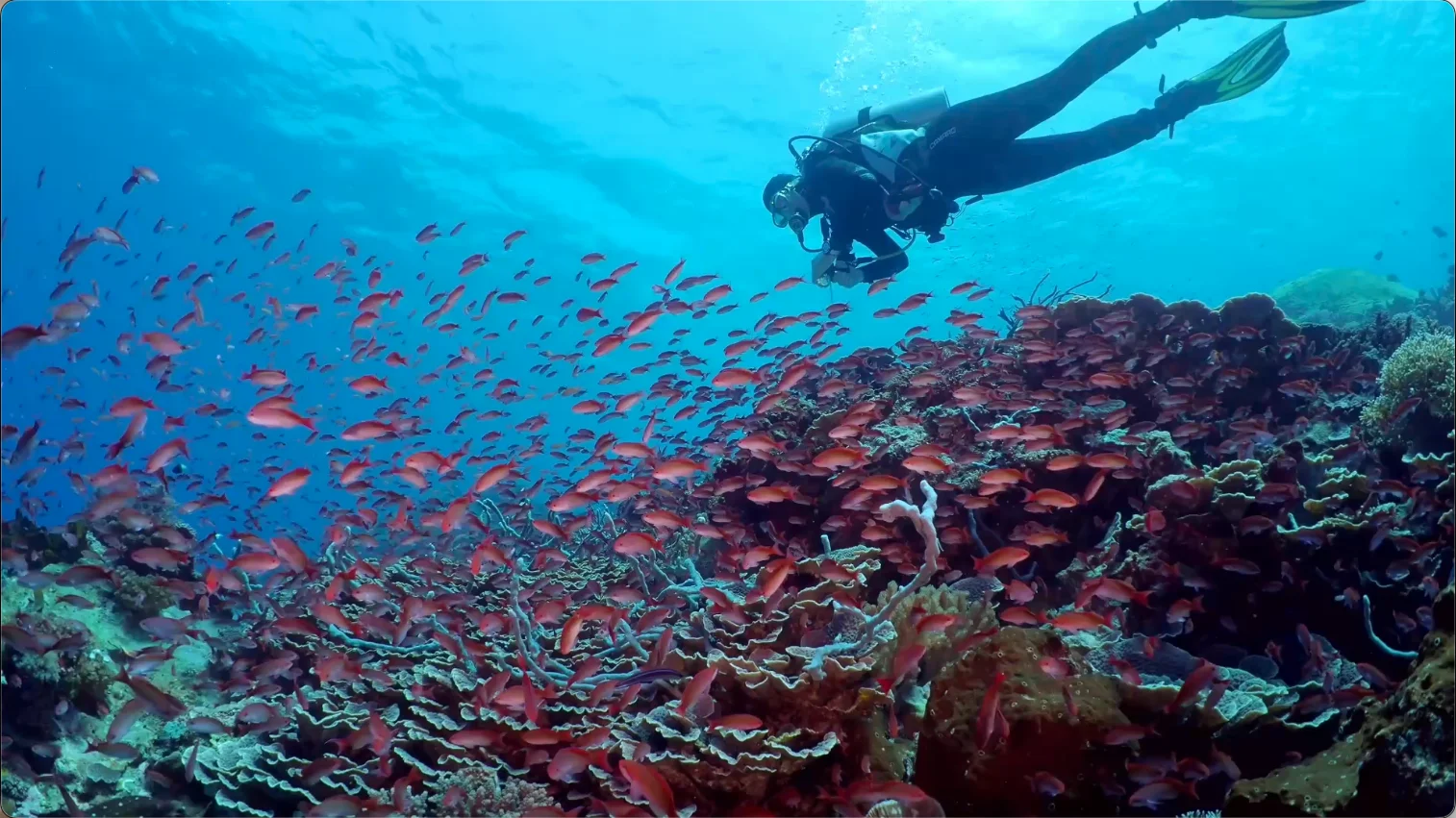
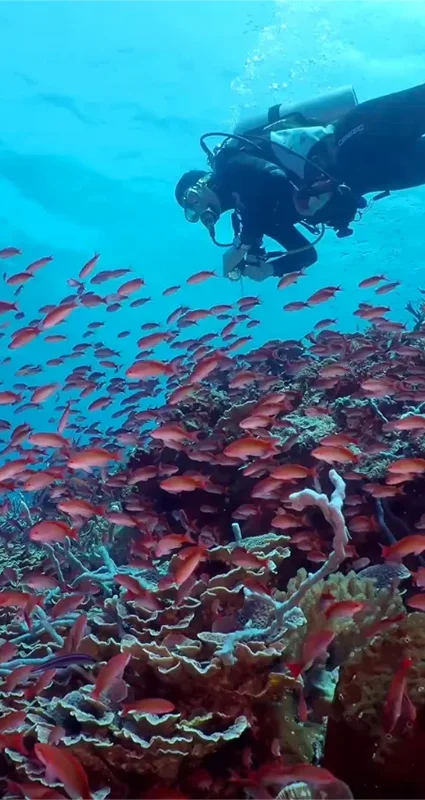
Most Indian Ocean islands present themselves through their beaches. Pemba Island, Tanzania's second-largest island in the Zanzibar Archipelago, presents itself through its water: not the surface but what lies beneath it. The Pemba Channel, which drops to more than 2,000 metres between the island and the mainland, has created one of the Indian Ocean's most dramatic underwater environments: coral walls, steep drop-offs and reef gardens that consistently rank among East Africa's finest dive sites.
Above the waterline, the island earns its ancient Arab name, Al Jazeera al Khadra, The Green Island. Its interior is hilly, fertile and unmistakably agricultural: clove and mango trees on undulating slopes, rice paddies threaded through the landscape, dhow-fishing villages along a mangrove coastline that bears little resemblance to the beach resorts of its southern neighbour, Zanzibar.
This is a destination that offers something specific rather than something for everyone. Four bird species exist nowhere else on Earth. Ngezi Forest Reserve protects one of the island's last areas of indigenous forest. Misali Island, reached by speedboat from the south-west coast, is a protected conservation zone with turtle nesting beaches and old-growth coral gardens. Centuries of Swahili, Arab and Omani history are written into the island's ruins. And across all of it, the tourist footprint remains light enough that the island's essential character - quiet, green and unhurried - remains entirely intact.
5 reasons we love Pemba Island
Diving the Pemba Channel: Coral walls dropping into extraordinary depths, rich pelagic encounters and healthy reef gardens rank Pemba among East Africa's most rewarding dive destinations for experienced divers.
Four birds found nowhere else on Earth: The Pemba scops owl, Pemba sunbird, Pemba green pigeon and Pemba white-eye are endemic to this island. Ngezi Forest Reserve is the primary territory for all four.
Authentic Swahili island life, undisturbed: No resort strips, no tourist infrastructure. Cloves dry on roadside mats at harvest, dhow fishermen work the mangrove channels and rural Swahili village life continues on its own terms.
Misali Island's protected coral gardens: Fifteen to thirty minutes offshore by speedboat, this conservation zone within the Pemba Channel Conservation Area holds over 300 fish species, turtle nesting beaches and largely intact old-growth coral.
Ngezi Forest Reserve's trails and night walks: One of Pemba's last tracts of indigenous forest shelters red colobus monkeys, Pemba flying foxes and the four endemic bird species, with the Pamba scops owl best encountered after dark on a guided night walk.
All you need to know about Pemba Island
Things to do in Pemba Island
Dive Pemba Island's coral walls: The island's west coast holds some of East Africa's most rewarding diving, with steep drop-offs sheltering reef sharks, hammerheads and rich pelagic life. Misali Island, the Fundu Gap and Njao Gap are among the headline sites.
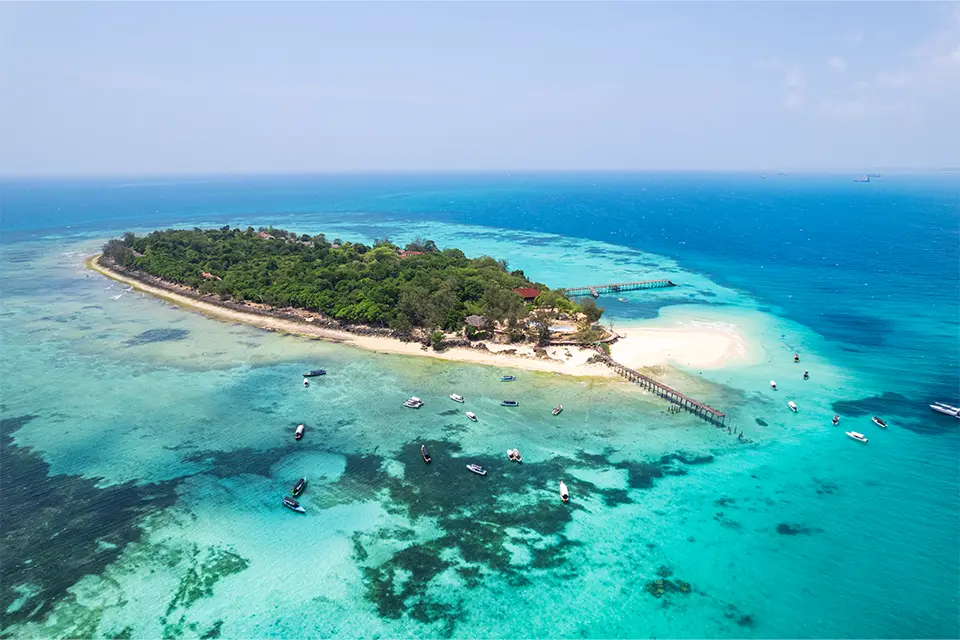
Explore Misali Island: A protected conservation zone reached by speedboat in 15 to 30 minutes, with turtle nesting beaches on its western shore, old-growth cabbage corals, sea fans and over 300 fish species recorded in its reef gardens.
Walk Ngezi Forest Reserve in northern Pemba: The one-hour Joshi Trail passes through indigenous forest where red colobus monkeys and Pemba flying foxes are regularly spotted. Night walks target bushbabies and the endemic Pemba scops owl.
Kayak the mangrove channels: Paddle through Pemba's extensive mangrove systems to the ruins of an Omani fort, a quieter, tide-governed way to experience a coastline that most visitors only see from a boat.
Visit the island's historical sites: The Pujini ruins preserve a 15th-century fortified palace; Ras Mkumbuu holds a 14th-century mosque and tombs; the ruins of the old capital at Jambangome and the Pemba Museum in Chake Chake complete a richly layered island history.
Take to the water at dawn or dusk: Early morning speedboat excursions seek spinner and bottlenose dolphins in the Pemba Channel. Sunset dhow cruises and deep-sea fishing trips for marlin, wahoo and yellowfin tuna complete the picture.
Where to stay in Pemba Island
Fundu Lagoon, on the Wambaa Peninsula in the south-west, is accessible only by boat: a 45 to 60 minute drive to Mkoani harbour, then a 20 to 25 minute private transfer around the peninsula. Its 18 tented rooms and suites sit between the mangrove-shaded beachfront and a hillside above with panoramic Indian Ocean views. The atmosphere is deliberately barefoot and informal, built around the diving programme and the coast's tidal rhythm. The lodge sits within reach of the Pemba Channel Conservation Area's finest dive sites, with Misali Island's reefs and turtle beaches 15 to 30 minutes away by speedboat. Other activities include dolphin watching, mangrove kayaking, sunset dhow cruises, and excursions to the ruins at Jambangome and to Ngezi Forest. Fundu operates seasonally, so confirm opening dates before booking.
The Manta Resort occupies the northern tip of the Kigomasha Peninsula, about an hour and a half from the airport on rough roads. Its beach is considered the best on the island, and its signature feature, the Underwater Room, is a floating suite with a bedroom four metres below the surface, surrounded by reef fish and open water. The resort is candidly rustic rather than polished, with a character that suits travellers who value experience over refinement. Diving and snorkelling access from the north is excellent, and Ngezi Forest Reserve sits within easy reach for guided walks and night excursions. Both properties attract honeymooners, though for different reasons: Fundu for seclusion and marine immersion, the Manta for the particular experience of sleeping beneath the Indian Ocean.
Pemba's best visitor areas
Pemba naturally divides into three distinct visitor zones, each with its own character, coastline, and type of experience. Choosing the right area is the most important decision you will make when planning a Pemba trip.
The far north: Kigomasha Peninsula
The Kigomasha Peninsula is Pemba's closest equivalent to a classic island destination. The Manta Resort lodges sit on the peninsula's west side, facing the sunset across the Pemba Channel, and the beaches here are the finest on the island. On the opposite, eastern side of the peninsula lies Vumawimbi Beach: remote, little-visited and particularly sheltered when the wind blows from the west. You reach it on foot via the Taufiki Trail through Ngezi Forest, which occupies the base of the peninsula and brings its own considerable rewards.
The Ras Kigomasha lighthouse, built by the British in 1900, marks the peninsula's northern tip. The area's main drawback is the road transfer from the airport, about an hour and a half on rough roads. For travellers willing to make that journey, the north offers Pemba's best beach, its most accessible forest reserve and its most dramatic evening light.
The south-west: Wambaa Peninsula and Misali Island
The south-west is not a beach destination in any conventional sense. Fundu Lagoon, the area's only international-standard property, sits on the Wambaa Peninsula behind a tidal beach fringed by mangroves. The lodge extends a wooden jetty over the drop-off so guests can swim at low tide. The real draw lies offshore.
Misali Island, a 15- to 30-minute speedboat ride away, is the strongest single attraction on Pemba. Part of the Pemba Channel Conservation Area, it has no permanent settlements, turtle-nesting beaches on its western shore, and coral gardens that rank among the Indian Ocean's finest for diving and snorkelling. The south-west is the island's dive and honeymoon heartland: accessible only by boat and shaped entirely by the tides.
The south-east: Shamiani Island
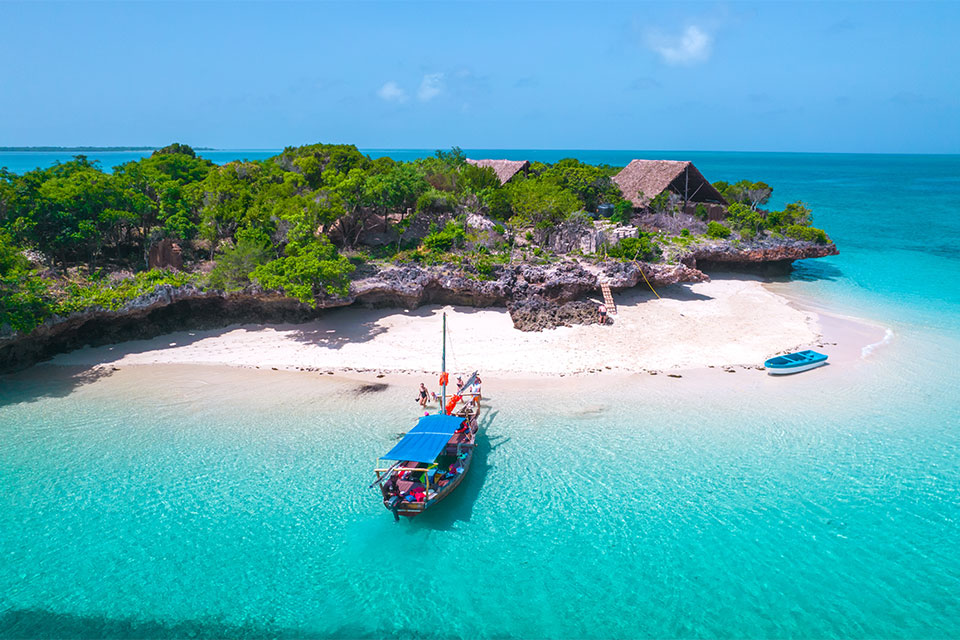
Shamiani is a small offshore island reached by a 45-minute drive from the airport to Mpene port, followed by a dhow crossing and, depending on the tide, a short walk. It offers the shortest road transfer of the three areas and the simplest experience. Around 150 families live on Shamiani, mostly from fishing and subsistence farming, with lodge employment bringing additional income to the community.
A stay here is less about facilities and more about proximity to an island community living largely outside the tourism economy. Guests can kayak the surrounding mangroves at high tide, and the beach has drawn strong praise. Arrive without expectations shaped by other Indian Ocean destinations, and Shamiani tends to exceed them.
Trusted by thousands of ecstatic travellers
✔️ 5-Star Trustpilot Rating ✔️ Condé Nast Travel Specialist Award Winner
✔️ Accredited by SATSA ✔️ 5,000+ Exceptional Safaris Since 1991
Why choose Africa Geographic to plan your safari?

"I cannot imagine a better way to customize a trip to Africa than with Africa Geographic...listened to what we hoped to accomplish and patiently went back and forth with suggestions and itineraries until it was perfect. Our trip to Tanzania...exceeded all of our expectations. The transfers all went smoothly and our guides were exceptional. I wish I could give 10 stars."
"Beautifully organized tanzania trip! Hats of to...for seamless integration of the tour while taking care of the minutest of the details. Our guide...was well experienced in his line of work, knowledgable and thoroughly ethical. After a week together we parted as friends, carrying great memories with a promise to return. I would not hesitate to recommend Africa Geographic to any one!..."
"...Africa Geographic planned our safari to Tanzania...The trip went seamlessly...The accommodations were beautiful. The staff everywhere we stayed were professional, welcoming and attentive. The food was delicious. We also appreciate Africa Geographics involvement in conservation efforts. I wouldn’t hesitate to refer...Africa Geographics to others!"
Wish you were here?
Frequently asked questions
Pemba Island is the second-largest island in Tanzania's Zanzibar Archipelago, lying north of Zanzibar (Unguja) in the Indian Ocean. It is known for world-class diving, four endemic bird species and one of the archipelago's most unspoiled natural environments.
Pemba has fewer and less impressive beaches than Zanzibar but far superior diving and significantly greater seclusion. It suits divers, birders and travellers who want to be away from the mainstream rather than those seeking a classic beach holiday.
Fly from Zanzibar (Unguja): the journey takes around 30 minutes on small turboprop aircraft. Two scheduled flights operate daily and seats fill quickly, so booking ahead is essential. Direct flights from Dar es Salaam are also available.
July to October is the peak dry season and the most reliable time to visit. December to February is also excellent. Avoid April and May: heavy rains close some lodges and reduce diving visibility significantly.
A single Zanzibar visa covers both Pemba and Zanzibar's main island (Unguja). A Tanzania mainland visa, available on arrival, also covers Pemba and is the more flexible option if combining Pemba with a mainland safari.
The Pemba Channel creates steep coral walls and dramatic drop-offs along the island's west coast, producing some of the Indian Ocean's most rewarding conditions for experienced divers. Misali Island, at the heart of the Pemba Channel Conservation Area, has retained dense coral cover through bleaching events that damaged reefs elsewhere in the region.
Misali Island is a small protected island 15 to 30 minutes by speedboat from Pemba's south-west coast. Part of the Pemba Channel Conservation Area, it has turtle nesting beaches, over 300 fish species and old-growth coral formations. Tourists may visit but may not camp.
PECCA protects Pemba's entire west coast, including Misali Island and key dive sites at the Fundu Gap and Njao Gap. It was established in 1998 following El Niño coral bleaching that damaged reefs across much of the Indian Ocean.
Four species are found nowhere else on Earth: the Pemba scops owl, Pemba sunbird, Pemba green pigeon and Pemba white-eye. Ngezi Forest Reserve is the primary territory for all four, and guided night walks offer the best chance of encountering the scops owl.
Ngezi Forest Reserve in northern Pemba protects one of the island's last remaining areas of indigenous forest. Two trails pass through it: the one-hour Joshi Trail, good for red colobus monkeys and Pemba flying foxes, and the Taufiki Trail, which reaches Vumawimbi Beach in three to four hours.
Yes. Pemba works well as a diving extension at the end of a Tanzania northern circuit safari. The most practical route is Arusha or the Serengeti to Zanzibar, then a 30-minute onward flight to Pemba.
Pemba suits couples who want genuine seclusion over resort amenities. Fundu Lagoon is popular for its privacy and barefoot atmosphere, while the Manta Resort's Underwater Room, a floating suite with a bedroom four metres below the surface, draws those looking for something more unusual.
Malaria is present year-round and antimalarial medication is strongly recommended. Medical facilities on the island are very limited, so comprehensive travel and medical evacuation insurance is essential. Read our guide on Safari vaccinations and medications.
Pemba Island lodges cost from US$370 to $440 per person, per night, depending on accommodation comfort level, time of year, and activities.
Click here to schedule a no-obligation call with one of our Safari Experts or fill in our 2-minute form with your questions. Our team of experts are here to help! Whether you’re curious about the best time to travel, want to hear first-hand about an experience or need help planning your safari.
Explore more African destinations
Start planning your dream safari
Our travel experts will craft a no-obligation itinerary just for you. We have crafted over 5,000 safaris since 1991. Your personal details are protected; we only use this information to contact you.
Why book your safari with us?

Deep Experience & Knowledge
Handcrafted experiential safaris since 1991.
Travel in Africa is about knowing when and where to go, and with whom. A few weeks too early/late or a few kilometres off course, and you could miss the greatest show on Earth. And wouldn’t that be a pity?

Trust & Safety

Make A Difference
We donate a portion of the revenue from every safari sold to carefully selected conservation projects that make a significant difference at ground level.
YOUR safari choice does make a difference - thank you!