

Tailor-made safaris. Since 1991



Trust us to find you the rarest animals, the most spectacular wildlife events, the remotest landscapes and deeply meaningful cultural encounters!
Which Zanzibar beach suits you?
Walk onto the sand at Paje in the late afternoon and the ocean has slipped halfway to the horizon, leaving fishermen wading out across wet flats to check traps left in the morning. Drive forty minutes north to Kendwa and the sea has barely moved all day, still lapping at the same stretch of sand it covered at breakfast. Zanzibar is often sold as one long white beach, but its coasts keep entirely different rhythms, and the coast you choose decides whether you spend the week swimming on your own schedule or working around the tide's.
With that in mind, Zanzibar's beach areas are not interchangeable. Nungwi and Kendwa, on the island's northern tip, sit in deeper water and stay swimmable at low tide, which suits first-time visitors, families and honeymooners wanting a beach that behaves the same way every day. Paje and Jambiani, on the east coast, sit on a wide fringing reef that empties dramatically at low tide – the same feature that draws kitesurfers for its flat lagoons and steady wind. Matemwe and the northeast coast trade beach width for direct access to Mnemba Atoll's reef, making them the pick for snorkellers and divers. The right choice depends on what matters most: a beach for swimming any time of day, wind for a board, or proximity to the reef.
Zanzibar's beach areas at a glance
Before booking, it helps to see how Zanzibar's four main coasts differ on the two factors that shape a beach holiday most – tide behaviour and wind – rather than by beach name alone.
Nungwi and Kendwa: swimmable at every tide, plus nightlife and sunset bars.
Paje and Jambiani: dramatic low tide, kitesurfing hub, slower pace overall.
Matemwe and the northeast: narrow beach, closest to Mnemba Atoll's reef.
Stone Town side: no beach focus, but the base for culture and spice tours.
How the four coasts compare
Coast | Tide behaviour | Best for | Known for |
Nungwi | Minimal change | First-timers, nightlife, sunsets | Dhow trips, diving schools |
Kendwa | Minimal change | Families, honeymooners, calm swims | Full moon parties, west-facing sunsets |
Paje / Jambiani | Recedes far out | Kitesurfers, budget-conscious travellers | Two kite seasons, seaweed farms |
Matemwe / northeast | Moderate change | Snorkellers, divers, quiet stays | Gateway to Mnemba Atoll |
3 things we love about Zanzibar's coast
Beyond the lodge listings most guides lead with, here’s what makes Zanzibar's coastline worth studying closely before committing to any one coast for your stay.
Two coastlines in one island: the sheltered north and the reef-lined east behave so differently by tide and wind that the same week rarely suits both without planning ahead.
Two reliable kitesurfing seasons: the Kaskazi (December to February) and Kusi (June to September) winds give Paje and Jambiani near year-round conditions for riders.
One shared reef system: Mnemba Atoll's marine reserve draws snorkellers and divers from Nungwi, Matemwe and the wider northeast coast, whichever beach you choose to sleep on.
Our favourite Zanzibar safaris
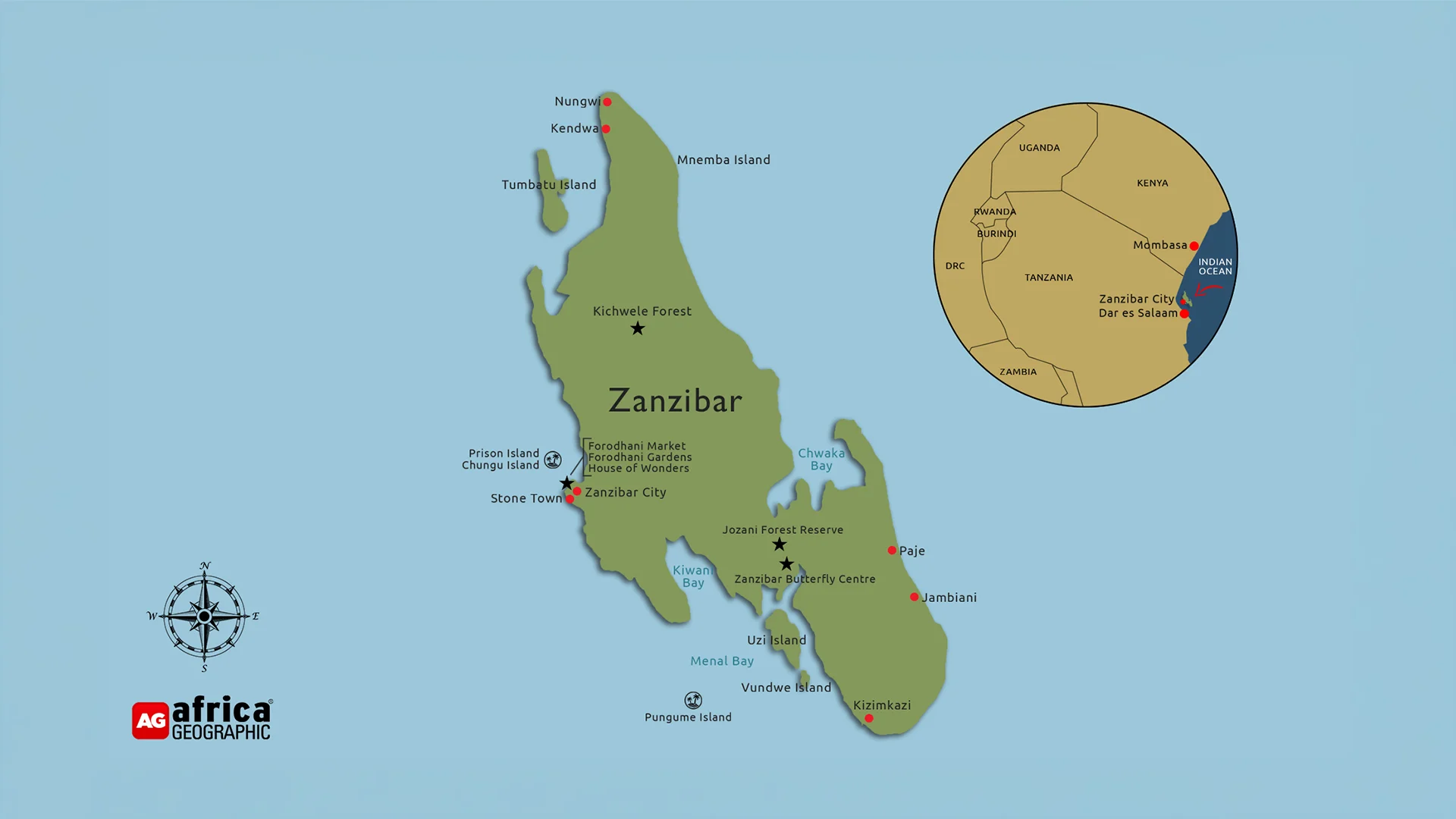
An overview of Zanzibar's main beach areas
Nungwi
At Zanzibar's northern tip, Nungwi combines a swimmable beach at any tide with the island's liveliest strip of sunset bars, dive schools and restaurants. It suits first-time visitors and those who want a beach holiday with things to do after dark.
Kendwa
A few kilometres south of Nungwi, Kendwa shares the same tide-friendly water but with a calmer, more spread-out feel. Its west-facing beach delivers reliably clear sunsets, and its shallow, gentle swimming makes it a strong match for families and honeymooners.
Paje
On the southeast coast, Paje is Zanzibar's kitesurfing hub. Wide, flat lagoons form at low tide, and two distinct wind seasons keep kite schools busy for much of the year. Swimming is tide-dependent, so this is a beach built around wind, not all-day water access.
Jambiani
South of Paje, Jambiani shares the same dramatic tidal swing but keeps a slower, more traditional village feel, with seaweed farming still visible at low tide. It suits travellers who want the east coast's wind and space without Paje's busier kite-school scene.
Matemwe and the northeast coast
North of Jambiani and east of Nungwi, Matemwe and the surrounding northeast coast sit closest to Mnemba Atoll's reef. The beach is narrower and the tide swings moderately, but the snorkelling and diving access is the best on the island.
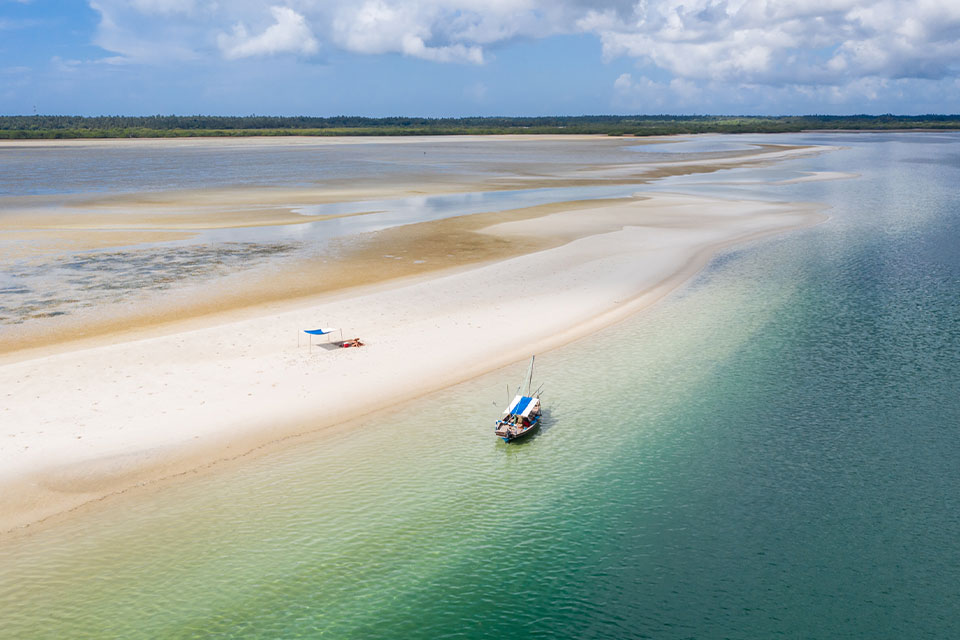
Tides – the detail most guides leave out
Why the east coast empties at low tide
Paje, Jambiani and much of the east coast sit on a wide, shallow fringing reef. At low tide, the sea can retreat several hundred metres, exposing sand flats, seaweed farms and tidal pools rather than open water. This is a daily rhythm, not an occasional event, and it happens twice every 24 hours, shifting by roughly 45 minutes each day. For swimmers who want water on demand, this is worth planning around rather than discovering on arrival.
"Even the same area can change dramatically at different times of day, depending on the tide or weather."
– Mei Capes-Winch, Africa Geographic
Why Nungwi and Kendwa keep their beach
Nungwi and Kendwa sit at the island's northern tip, where the coastline drops into deeper water closer to shore. The tide still rises and falls here, but it moves the shoreline far less dramatically than on the east coast, so a swimmable beach remains available at most points in the daily cycle. This is why these two areas are consistently recommended to travellers who want to swim whenever they choose, rather than planning a day around a tide chart.
Planning a stay around the tide chart
Our safari experts recommend checking tide times for the specific week of travel, since the swing between spring and neap tides changes how far the water recedes each day. Lodges on the east coast can advise on the best hours for swimming and for walking out to the reef edge, and many build their activity schedules, from sunrise dhow trips to sandbank picnics, around the daily tide rather than a fixed timetable.
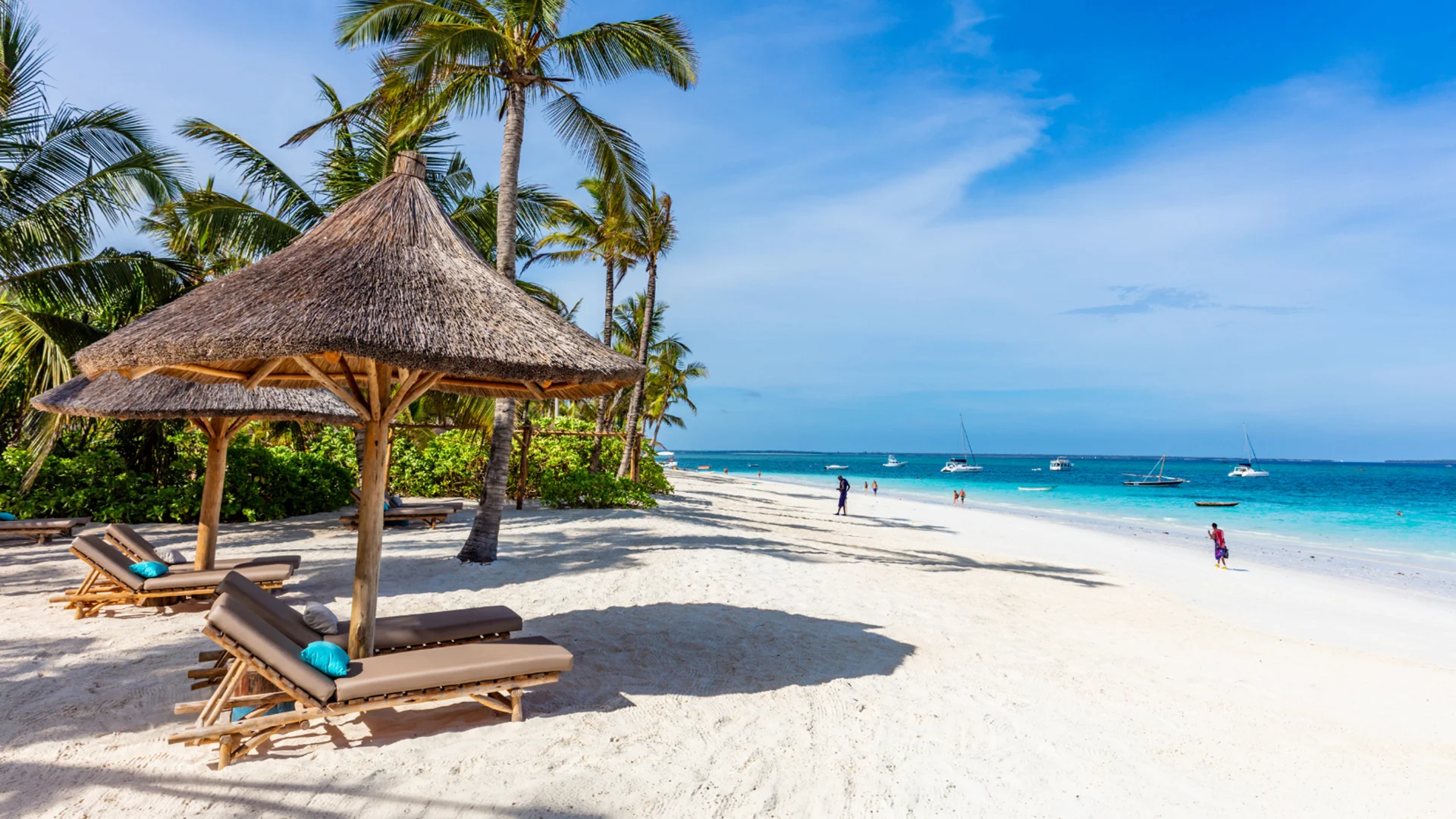
Wish you were here?
Matching a beach area to your trip
Families with young children
Kendwa's calm, shallow water and consistent tide make it the most practical choice for families with young children who want to swim without watching the clock or waiting out a receding sea. Nungwi offers a similar tide pattern with a wider spread of restaurants and activities nearby, suiting families with older children or teenagers who want variety after dark. Both areas keep airport transfer times shorter than the east coast, a practical advantage with young children.
Honeymoons and couples
Kendwa and the quieter stretches of Matemwe both suit couples well, pairing calm water and west-facing sunsets with a slower pace than Nungwi's livelier strip. For a more private setting still, Mnemba Island sits just off the northeast coast and is reserved for a single lodge, making it Zanzibar's most exclusive honeymoon option for couples able to extend their budget. Our safari experts can advise on which lodges best suit a private, adults-focused stay.
Watersports and active travellers
Paje and Jambiani: reliable wind, flat lagoons, established kite schools and gear rental.
Kaskazi season (roughly December to February): steady north-east wind, warmer water.
Kusi season (roughly June to September): stronger south-east wind, better for advanced riders.
Nungwi and Matemwe suit diving and snorkelling far better than kitesurfing lessons.
Hire a board locally or bring your own; kite schools offer lessons at every level.
Book lodging close to the launch beach, since daily transfers with kit are impractical.
Frequently asked questions
Nungwi and Kendwa, on the island's northern tip, keep a swimmable beach at most points in the tidal cycle, since the coastline drops into deeper water closer to shore. Paje, Jambiani and the wider east coast sit on a wide fringing reef that recedes dramatically at low tide, so swimming there depends on timing. If all-day swimming matters more than reef access or wind, the north coast is the more reliable choice.
Both sit on the same tide-friendly stretch of coast and share similarly calm, swimmable water. Nungwi is busier, with more restaurants, dive schools and nightlife clustered around the point, making it better suited to travellers who want activity after dark. Kendwa, a short drive south, is quieter and more spread out, with a slower pace that favours honeymooners and families wanting fewer distractions.
Paje and Jambiani sit on a wide, shallow fringing reef that runs parallel to the shore. At low tide, the sea can retreat several hundred metres, exposing sandbanks, tidal pools and seaweed farms rather than open water. This happens twice daily and shifts by roughly 45 minutes each day, so swimming windows change from morning to afternoon depending on the date of travel. Lodges on this coast usually keep a tide chart on hand and can advise on the best hours for a swim.
Kendwa and the quieter parts of Matemwe suit most honeymooners, combining calm water, west-facing sunsets and a slower pace than Nungwi's livelier strip. For a fully private stay, Mnemba Island off the northeast coast is reserved for a single lodge, making it Zanzibar's most exclusive option for couples able to extend their budget beyond a standard beach lodge. Our safari experts can match a honeymoon itinerary to the level of privacy and activity a couple wants.
Kendwa is generally the most practical base for families with young children, thanks to its calm, shallow water and consistent tide, meaning swimming does not depend on timing the day around a tide chart. Nungwi offers a similar tide pattern with more restaurants and activities nearby, which suits families travelling with older children who want more to do in the evenings. Both areas also keep airport transfer times shorter than the east coast.
Paje is Zanzibar's established kitesurfing hub, with wide, flat lagoons at low tide and consistent wind across two seasons: the Kaskazi (roughly December to February) and the Kusi (roughly June to September). Jambiani, just south, offers similar wind and space with a quieter, more traditional village feel and fewer kite schools competing for the same stretch of beach. Both areas support riders of every level, from first lessons to advanced downwinders.
Yes. Matemwe and the wider northeast coast sit closest to Mnemba Atoll's marine reserve, which is widely regarded as Zanzibar's best reef for snorkelling and diving. The beach itself is narrower than Nungwi or Kendwa and the tide swings moderately, but the trade-off is the shortest boat transfer to the reef of any coast on the island, along with a noticeably quieter pace after dark.
Yes, and it works well when time allows, typically three to four nights per coast rather than a rushed single night. A popular combination pairs Nungwi or Kendwa for arrival and nightlife with a few nights in Matemwe for quieter snorkelling near Mnemba Atoll. Our safari experts can sequence transfers so each leg of the trip runs smoothly, without wasted travel days in between.
The dry seasons, from June to October and December to February, offer the most reliable weather across all four coasts. Beyond the general calendar, kitesurfers should time a trip to the Kaskazi or Kusi wind seasons on the east coast, while swimmers and snorkellers on the north and northeast coasts have more flexibility, since tide affects those beaches far less than wind or seasonal rainfall.
Start planning your dream safari
Our travel experts will craft a no-obligation itinerary just for you. We have crafted over 5,000 safaris since 1991. Your personal details are protected; we only use this information to contact you.
Why book your safari with us?

Deep Experience & Knowledge
Handcrafted experiential safaris since 1991.
Travel in Africa is about knowing when and where to go, and with whom. A few weeks too early/late or a few kilometres off course, and you could miss the greatest show on Earth. And wouldn’t that be a pity?

Trust & Safety

Make A Difference
We donate a portion of the revenue from every safari sold to carefully selected conservation projects that make a significant difference at ground level.
YOUR safari choice does make a difference - thank you!