
Tailor-made safaris. Since 1991



Trust us to find you the rarest animals, the most spectacular wildlife events, the remotest landscapes and deeply meaningful cultural encounters!
Rwanda gorilla permits – booking guide
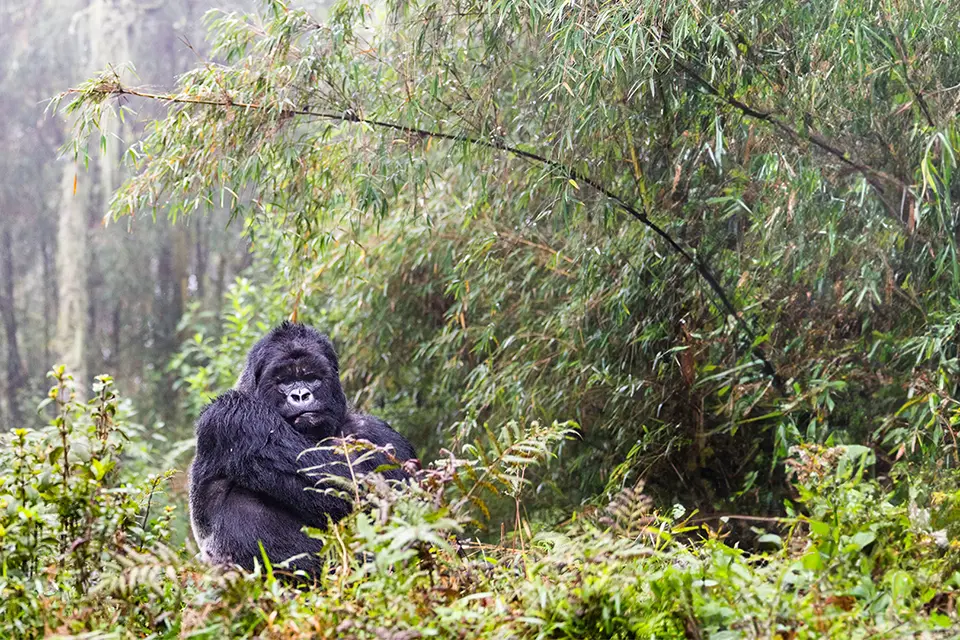
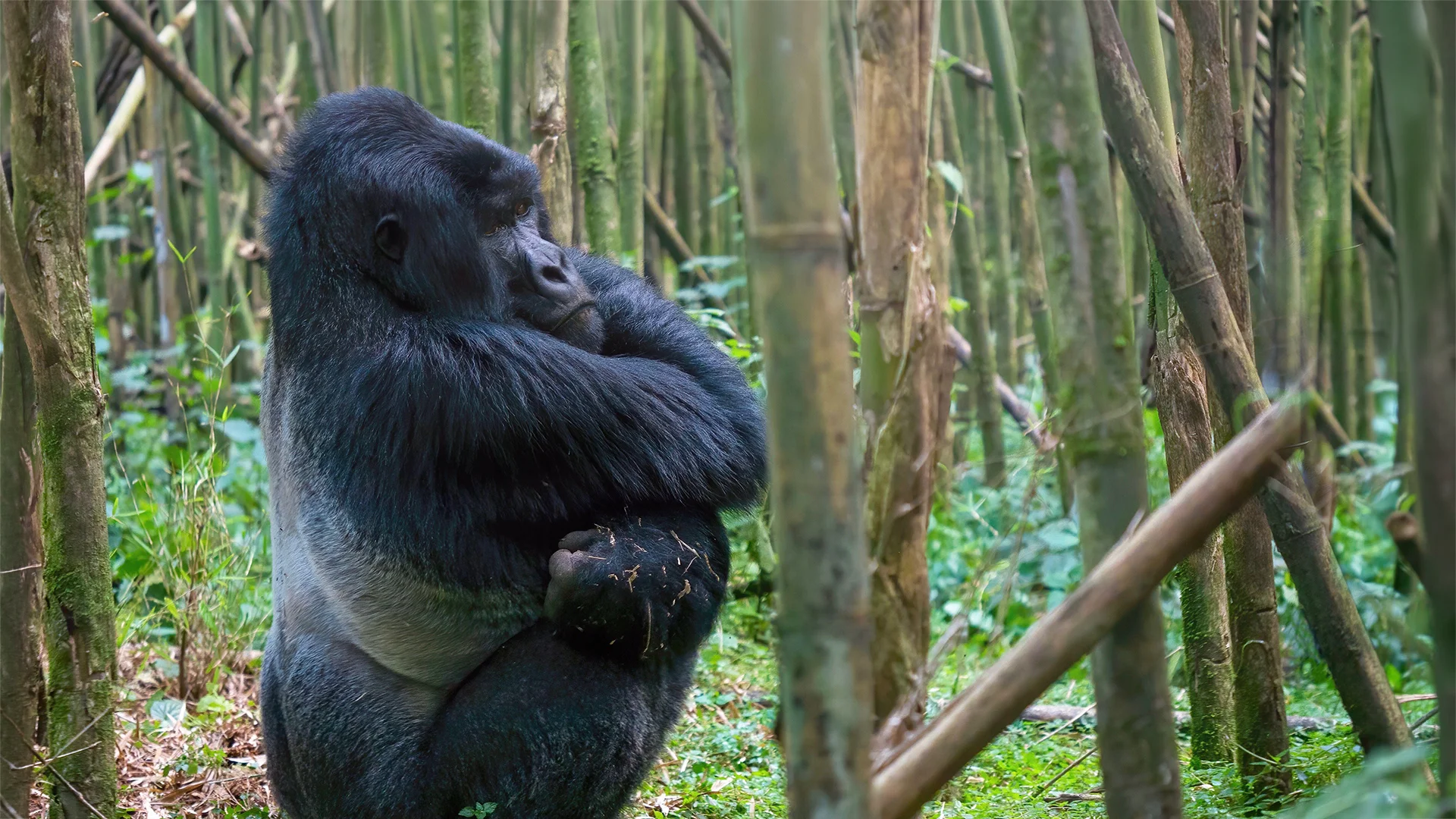
Somewhere on the slopes of the Virunga volcanoes, a ranger radios in the location of the Susa family, and a day's trekking begins that only eight people will share. That restriction is the entire point. Rwanda has built its gorilla trekking model around a fixed daily cap that protects the animals, but also means the calendar fills quickly, often a year or more before the trek itself takes place. Understanding how that calendar works, and where the pressure points sit, is what determines whether your dates hold or your options quietly narrow.
Rwanda issues only 96 gorilla trekking permits a day – eight per habituated family across the 12 groups in Volcanoes National Park. Each permit costs US$1,500 (2026), is non-refundable and non-transferable, and is allocated by the Rwanda Development Board (RDB). For peak season (June–September and December–February), Africa Geographic recommends booking 12–18 months ahead. Off-peak trips can often be arranged 6–9 months out, though demand is rising year-round.
Why Rwanda's permits disappear so fast
Only 96 permits are issued across Rwanda each day, all year round.
Twelve habituated families cap every group at eight trekkers.
Peak-season dates often fill a full 12 months before departure.
Permits are non-refundable and cannot transfer to another date.
Once a day's quota is gone, there is no formal waiting list.
Rwanda limits access to protect its mountain gorillas, not to manufacture scarcity. But the effect is the same: demand outpaces the 96 daily permits well before most travellers begin planning, particularly across the two dry seasons.
Booking windows by season
Season | Months | Recommended booking window | Availability outlook |
Peak (dry) | Jun–Sep, Dec–Feb | 12–18 months ahead | Limited – fills first |
Shoulder | Mar, Nov | 9–12 months ahead | Moderate |
Green season | Apr–May, Oct | 6–9 months ahead | Best availability |
3 things we love about Rwanda's permit system
Beyond the price tag, Rwanda's permit system is a deliberate piece of conservation design, not simply a fee. Here is what makes the model worth understanding:
A hard daily cap: only eight trekkers may visit each of the 12 habituated families per day, all year round, keeping every encounter intimate rather than crowded.
Revenue with purpose: permit fees fund rangers, veterinary teams and anti-poaching patrols that helped mountain gorillas recover from under 620 individuals in 1989 to over 1,000 today.
One country, one system: Rwanda's single national park and central RDB process make booking far more straightforward than Uganda's multi-sector allocation.
How the permit process actually works
Who allocates each permit
The Rwanda Development Board (RDB) issues every gorilla trekking permit and assigns each trekker to one of the 12 habituated families on the morning of the trek, based on fitness levels and each family's location that day. Permits must be paid in full before RDB confirms a date, and dates cannot be swapped once booked.
What booking through Africa Geographic looks like
We hold permits as part of every Rwanda itinerary, securing your dates through established RDB channels the moment your safari is confirmed, then building lodges, transfers and the rest of your trip around that fixed permit date rather than around availability guesswork.
What happens if you book directly
Independent travellers can apply through the RDB portal or Irembo, Rwanda's government services platform, but peak dates often disappear before payment clears, and errors in family or date selection are difficult to correct without a local contact managing the process.
"Travel in Africa is about knowing what, when and where to go – a few weeks too early or late, or a few kilometres off course, and you could miss the greatest show on Earth. And wouldn't that be a pity? "
— Simon Espley, CEO, Africa Geographic
Our favourite Volcanoes National Park safaris
The real cost of the DIY booking route
Portal delays and payment failures
Rwanda's RDB portal and the Irembo government platform are not built for smooth international card processing, and payment delays are common for travellers booking from outside East Africa. Those who wait to confirm often find their chosen date, or their entire chosen month, reassigned to another applicant within days. There is no formal queue and no alert when a date closes, so the first sign of trouble is usually a failed booking with no fallback plan in place.
Mistakes that undo a trip before it starts
Common errors include booking a permit date that does not match lodge availability, misjudging the fitness required for a particular family assignment, and failing to build in a buffer day for the altitude and weather delays common in the Virunga foothills. Because permits are non-refundable and non-transferable, a single date mismatch can force an unplanned second purchase at full price, effectively doubling the cost of one trek.
When to book for each travel season
Locking in peak-season dates
June to September and December to February are Rwanda's dry seasons, when firmer trails and clearer volcano views draw the heaviest demand from travellers worldwide. We recommend securing permits 12 to 18 months before travel for these windows, particularly for family groups wanting to trek together, since other travellers can reserve all eight places for a preferred gorilla family well before the season officially opens.
Booking the greener months
March to May and November bring more rain but noticeably lighter demand, meaning permits booked 6 to 9 months ahead are usually still available, sometimes closer to travel if your dates allow flexibility. Trails are muddier, and gaiters become essential kit, but the forest is at its most vivid, birdlife is abundant, lodge rates are often lower, and trekking groups are typically smaller and considerably quieter throughout the park.
A short checklist before you book
Decide your travel dates first, since permits are non-transferable once booked and paid.
Check passport validity, as Rwanda requires six months beyond your travel dates.
Confirm your fitness level honestly, since family assignment depends heavily on it.
Budget for the US$1,500 permit fee separately from your lodge and transfer costs.
Ask about porter hire, a small fee that eases the climb and supports local families.
Build in one buffer day either side of your trek for weather or travel delays that arise.
Confirm vaccination and general health requirements well ahead of your departure date.
Pack waterproof hiking boots and warm layers, regardless of which season you travel in.
Wish you were here?
What happens once your permit is confirmed
Documents and confirmation
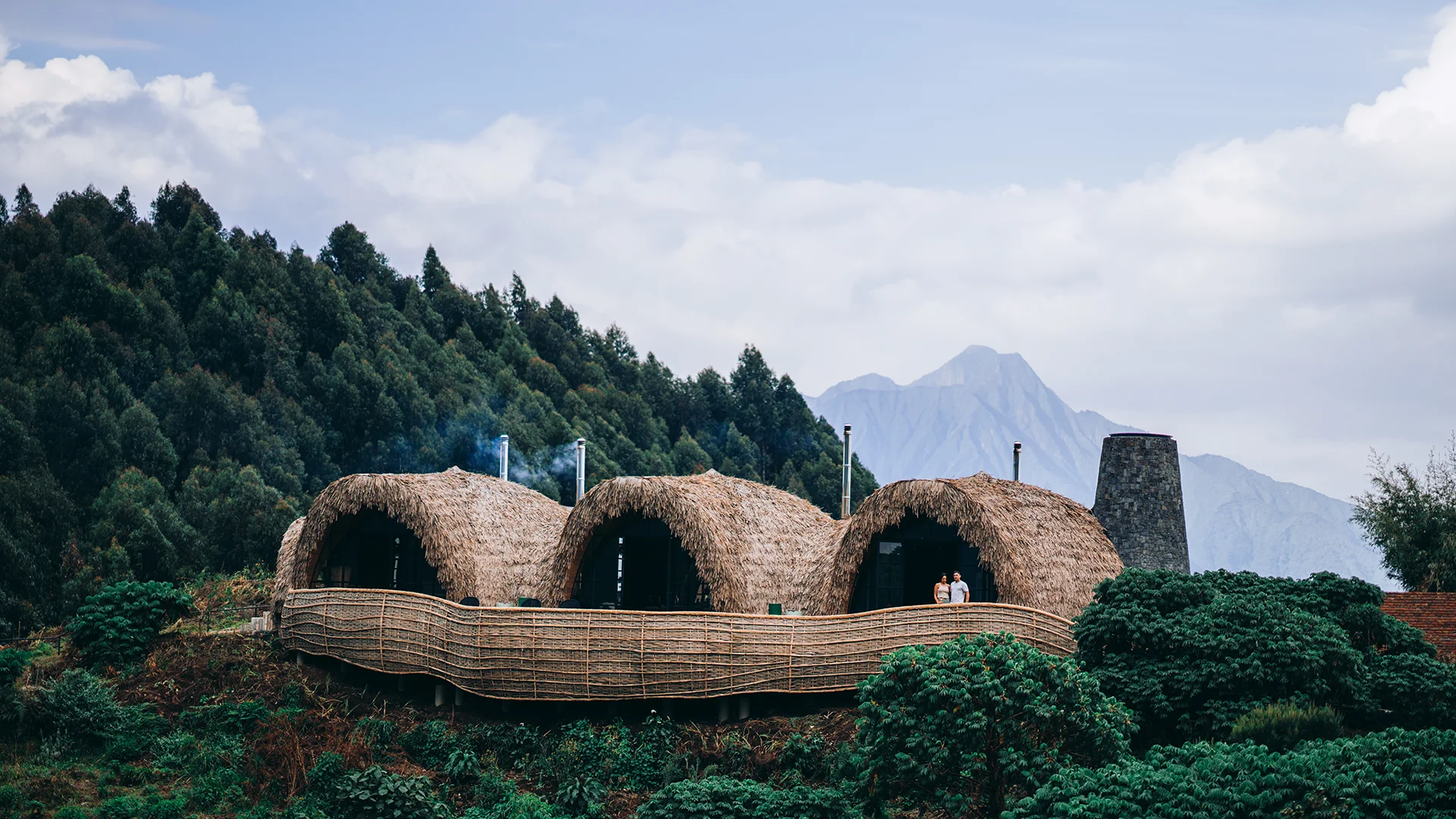
Once payment clears, RDB issues confirmation naming each trekker and their assigned date. Africa Geographic forwards this documentation well ahead of travel, along with a full briefing on what to expect at Kinigi park headquarters on trekking morning, so nothing is left to chance once you land in Kigali and begin the drive north-west into the Virunga foothills that shelter the park's habituated families.
Building the rest of your itinerary around it
With your permit date fixed, we sequence lodges, transfers and any additional activities, golden monkey tracking, the Musanze Caves, a hike to Dian Fossey's grave at Karisoke, around that single non-negotiable day. This is where a confirmed permit date becomes a genuine asset: everything else in Rwanda can flex to suit it, rather than the other way round, reducing pre-dawn stress considerably for the whole travelling party.
Combining Volcanoes with the rest of Rwanda
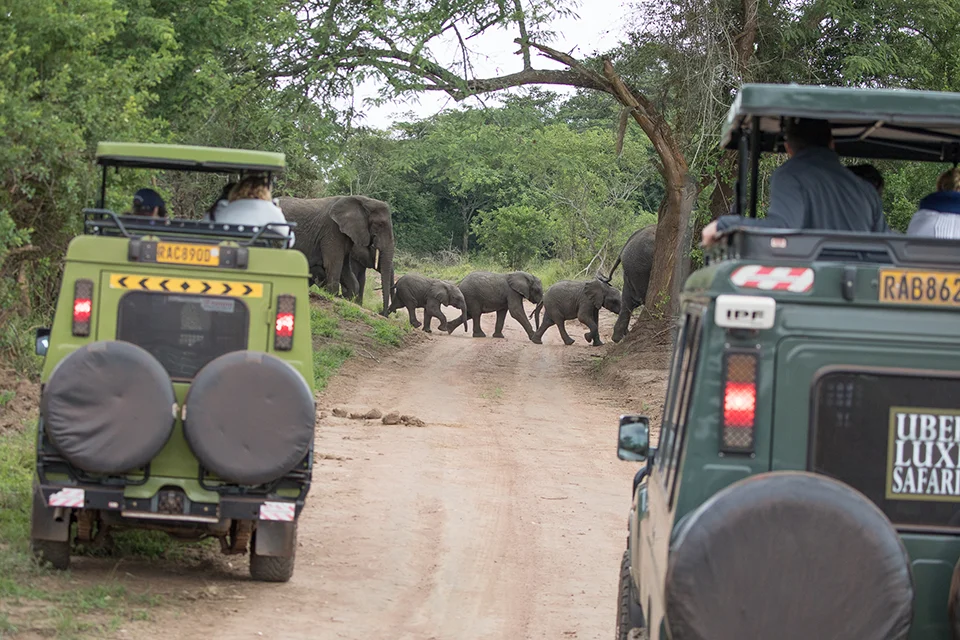
Adding Akagera for a Big Five safari
Akagera National Park lies roughly three to four hours from Kigali, in the opposite direction to Volcanoes, and pairs naturally with a gorilla trek for travellers wanting both primates and a classic Big Five safari within one manageable Rwanda itinerary. Fitting both destinations into a single trip is straightforward once your confirmed permit date anchors the rest of the schedule around it, rather than the reverse.
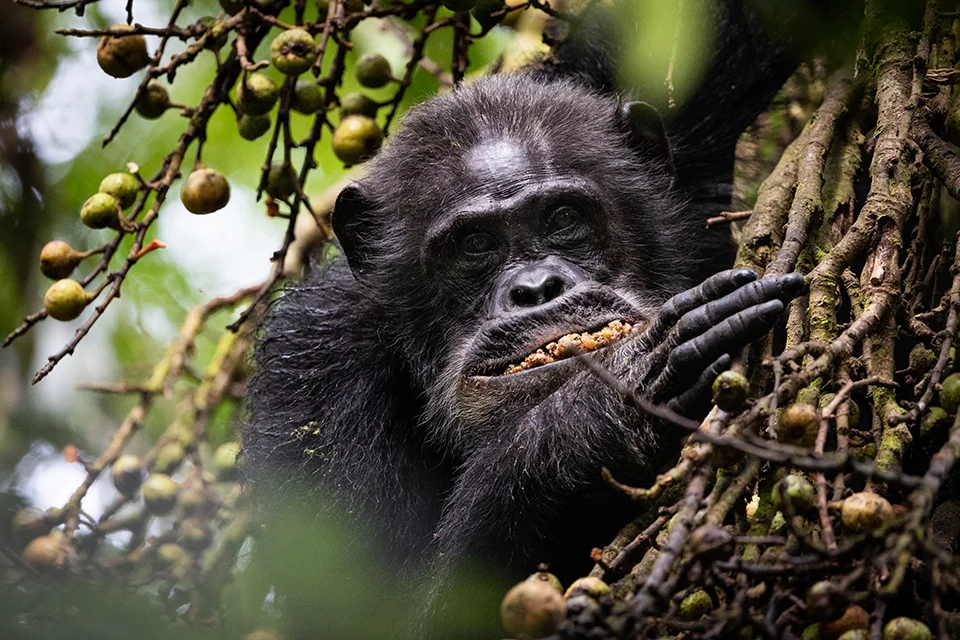
Pairing gorillas with Nyungwe's chimpanzees
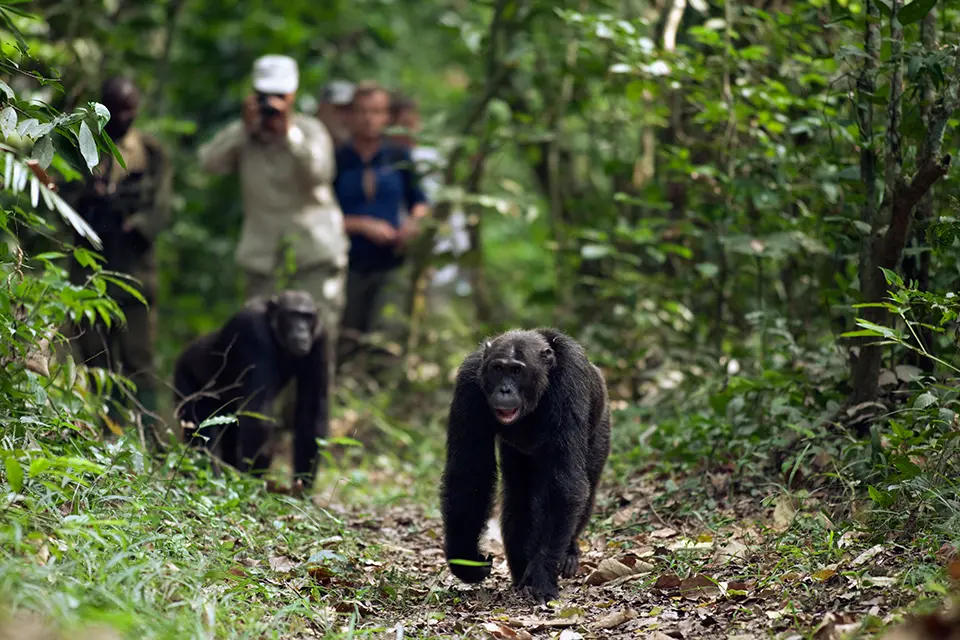
Nyungwe Forest National Park adds chimpanzee trekking and a canopy walkway to a Rwanda itinerary, while Lake Kivu offers a scenic, low-key stop between parks. Africa Geographic regularly designs multi-park Rwanda itineraries that sequence these experiences around a single confirmed gorilla permit date, so the trip flows without feeling rushed or bolted together at the last minute, particularly for first-time visitors to the region.
Frequently asked questions
For peak season (June–September, December–February), we recommend booking 12–18 months ahead, since all 96 daily permits across Rwanda's 12 habituated families can sell out well before the season begins. Off-peak trips (March–May, November) can often be confirmed 6–9 months out, sometimes closer to travel. Africa Geographic secures permits as part of every Rwanda itinerary, so your date is locked in early rather than left to chance.
A Rwanda gorilla trekking permit costs US$1,500 per person (2026), issued by the Rwanda Development Board. This fee is separate from lodge, transfer and guiding costs, and funds ranger patrols, veterinary care and community programmes that have helped mountain gorilla numbers recover from under 620 individuals in 1989 to more than 1,000 today. Prices are reviewed periodically, so always confirm the current fee before booking your trek.
Yes, permits can be booked directly through the RDB or Irembo portals, but international payments often fail or delay, and peak dates can disappear within days of opening. Africa Geographic holds permits as part of every Rwanda itinerary, confirming dates through established channels and building your lodges and transfers around the fixed permit date, removing the guesswork and payment risk of the DIY process entirely.
No. Rwanda gorilla trekking permits are non-refundable and non-transferable once booked, regardless of illness, weather or changed plans. This is why confirming realistic travel dates, passport validity and fitness levels before booking matters, and why building in a buffer day either side of your trek is worth considering for unavoidable delays that arise from travel disruptions or health concerns.
Rwanda issues 96 gorilla trekking permits daily, eight per habituated family across the 12 gorilla families in Volcanoes National Park. This cap is fixed year-round and does not increase during peak season, which is the primary reason permits and lodges book out so far in advance during June–September and December–February, Rwanda's two dry, high-demand travel windows each and every single year without exception.
The minimum age for gorilla trekking in Rwanda is 15 years old, with no upper age limit, provided a reasonable level of fitness for several hours of hiking at altitude. This age rule protects gorillas from childhood illnesses such as measles and chickenpox, to which they have little immunity, and applies consistently across all of Rwanda's twelve habituated families in Volcanoes National Park, without exception.
If your preferred date is unavailable, Africa Geographic offers the nearest available alternative and adjusts your lodges and transfers accordingly, at no extra planning burden to you. Because we secure permits early as part of the full booking process, this situation is uncommon for guests who confirm travel dates with reasonable lead time, particularly outside the busiest weeks of July, August and the Christmas holiday period.
Yes. Akagera National Park (Big Five, three to four hours from Kigali) and Nyungwe Forest National Park (chimpanzee trekking and a canopy walkway) both pair naturally with Volcanoes. Africa Geographic regularly designs multi-park Rwanda itineraries that sequence these destinations around your confirmed gorilla trekking permit date, so travel days, rest stops and activities fall in a sensible, unrushed order.
Yes, Uganda's gorilla permits cost roughly US$700–800, compared with Rwanda's US$1,500, and Uganda has more habituated families overall, spread across Bwindi and Mgahinga. Rwanda offers a shorter drive from its capital, premium lodges and a slightly more convenient logistics chain, so the right choice depends on your budget, available time and personal priorities, rather than price alone dictating the decision.
Booking both together is strongly recommended, since Volcanoes National Park has limited lodge inventory and peak-season rooms near Kinigi fill alongside permit dates. Confirming your permit without a matching lodge booking can leave you with a confirmed trekking date and nowhere suitable to stay nearby, undermining the logistics of an otherwise carefully planned Rwanda trip from start to finish, so plan lodges and permits in tandem.
Start planning your dream safari
Our travel experts will craft a no-obligation itinerary just for you. We have crafted over 5,000 safaris since 1991. Your personal details are protected; we only use this information to contact you.
Why book your safari with us?

Deep Experience & Knowledge
Handcrafted experiential safaris since 1991.
Travel in Africa is about knowing when and where to go, and with whom. A few weeks too early/late or a few kilometres off course, and you could miss the greatest show on Earth. And wouldn’t that be a pity?

Trust & Safety

Make A Difference
We donate a portion of the revenue from every safari sold to carefully selected conservation projects that make a significant difference at ground level.
YOUR safari choice does make a difference - thank you!