
Tailor-made safaris. Since 1991



Trust us to find you the rarest animals, the most spectacular wildlife events, the remotest landscapes and deeply meaningful cultural encounters!
What is the best month to trek gorillas in Volcanoes National Park?
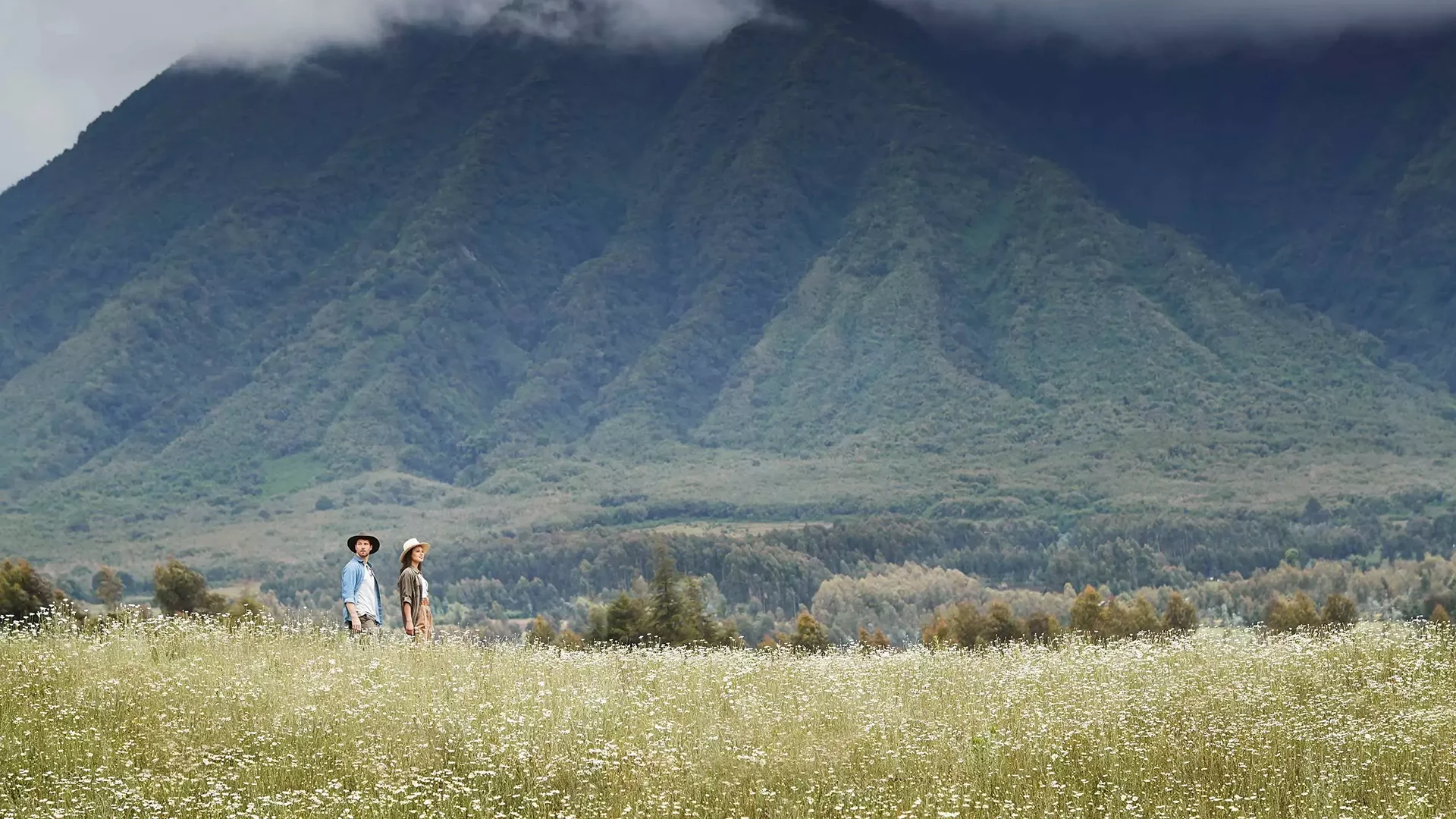
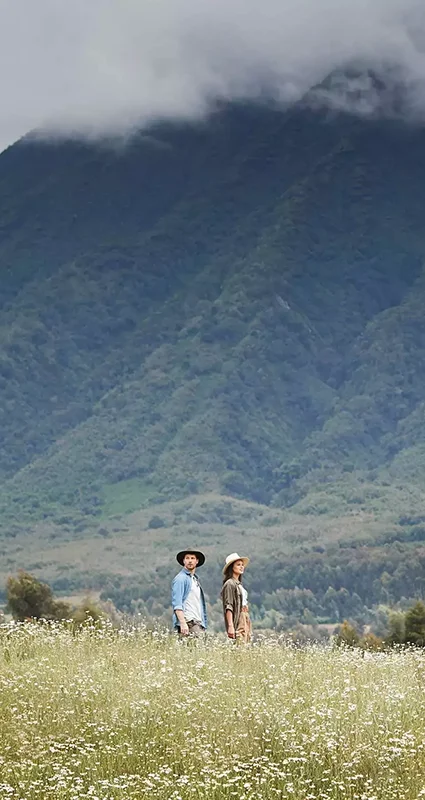
At two in the morning, Kinigi is only a shape against a shape – a wall of forest rising into cloud above the lodge lights. By the seven o'clock briefing, your guide is reading the sky more closely than the itinerary, because in these mountains, weather decides more than any schedule can.
The best time to trek gorillas in Volcanoes National Park is during Rwanda's two dry seasons: June to September and December to February, when trails are firmer and permit demand peaks. The quieter, wetter months of March to May and November bring softer ground, fewer trekkers and easier permit availability. Rain is possible in every month at this altitude, so waterproof gear matters regardless of when you travel.
Volcanoes trekking seasons at a glance
Volcanoes National Park has two dry windows and two rainy interludes each year, and each affects trail conditions, permit demand and lodge rates differently.
June to September: long dry season, firmest trails, peak demand
December to February: short dry season, cooler air, still busy
March to May: long rains, muddiest trails, quietest permits yet
November: brief short rains, scattered showers, easier availability
Trekking conditions by season
Season | Months | Trail conditions | Permit demand |
Long dry season | June-September | Firm, dusty on lower slopes | Highest - book 12-18 months ahead |
Short dry season | December-February | Firm, cool mornings | High - book 12-18 months ahead |
Long rains | March-May | Soft, slippery, dense mud | Lowest - available at short notice |
Short rains | November | Variable, brief showers | Moderate - easier to secure |
3 things we love about Volcanoes' shoulder season
Beyond simply avoiding the crowds, here is what the quieter, wetter months genuinely add to a Volcanoes gorilla trek that the peak dry season simply cannot match.
Softer light, greener slopes: mist and rain deepen the bamboo and montane forest into some of the richest, most atmospheric trekking photography of the year.
Same gorilla families, easier access: permits are far simpler to secure at short notice, and popular groups rarely sell out completely during these months.
Lower lodge rates: many Volcanoes properties quietly reduce their rates from March to May and again in November, with no change to the trek itself at all.
The four trekking windows in detail
June to September: the long dry season
This is Volcanoes' longest stretch of firm trails, with drier undergrowth on the lower slopes and clearer views of the five volcanoes. It is also when Kwita Izina, Rwanda's gorilla naming ceremony, usually takes place in Kinigi, adding an extra draw and extra pressure on permits and lodges around early September.
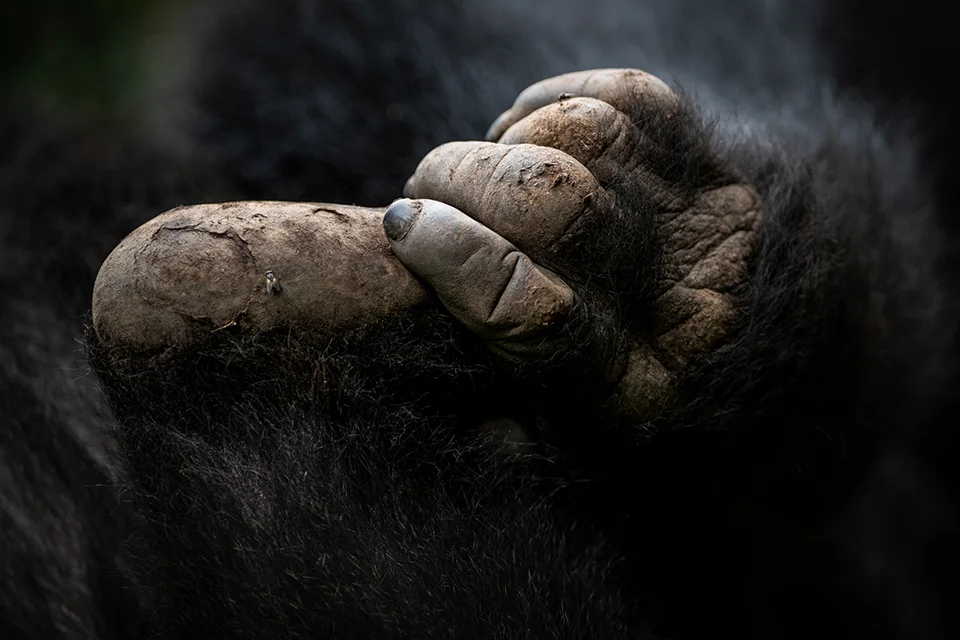
December to February: the short dry season
Shorter and cooler than the mid-year dry season, with crisp mornings on the higher slopes and generally firm underfoot conditions. Demand rises sharply around the Christmas and New Year period, so this window books out for lodges and permits almost as far ahead as June to September.
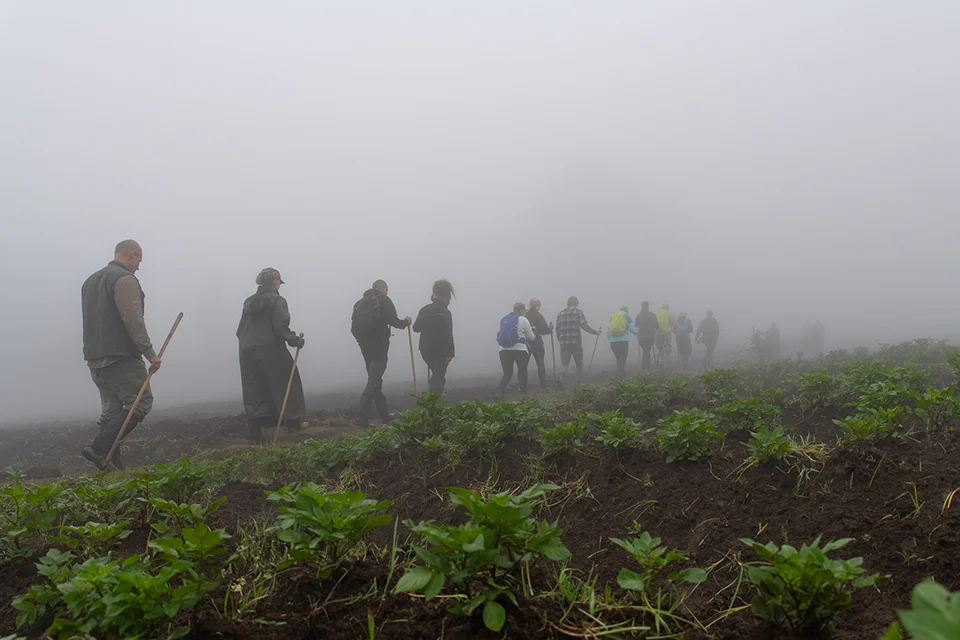
March to May: the long rains
Rwanda's wettest months bring soft, often slippery trails and denser undergrowth, extending some treks by making the going slower. Forest is at its most lush, and with far fewer trekkers on the mountain, sightings feel unhurried and permits are rarely fully booked.
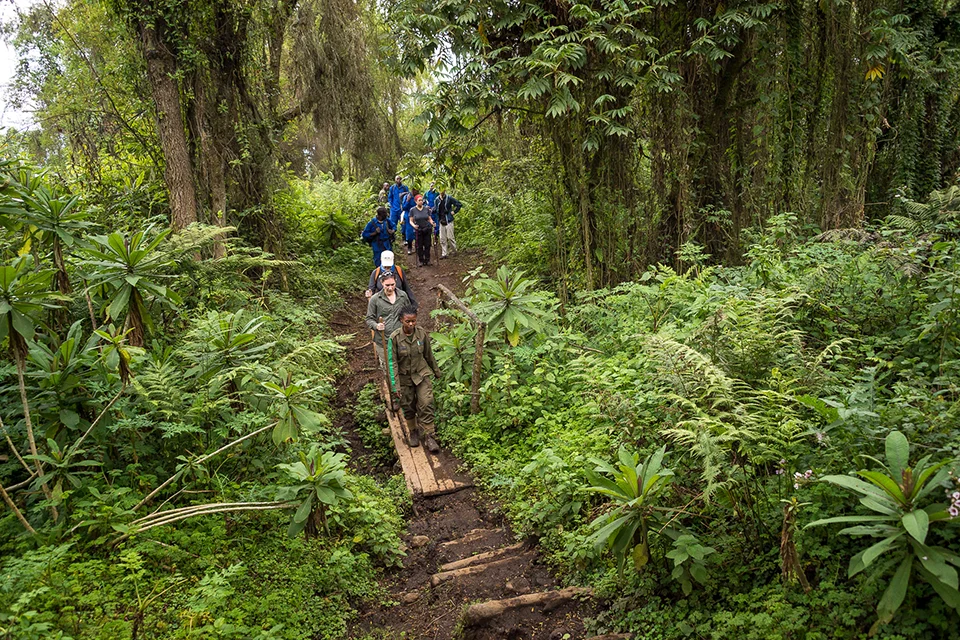
November: the short rains
A brief, often unpredictable rainy spell between two dry periods. Showers tend to be short and localised rather than constant, and this window is frequently underestimated by travellers, making it one of the better-value times to secure a permit at short notice.
How weather changes trail difficulty
Underfoot: mud versus firm ground
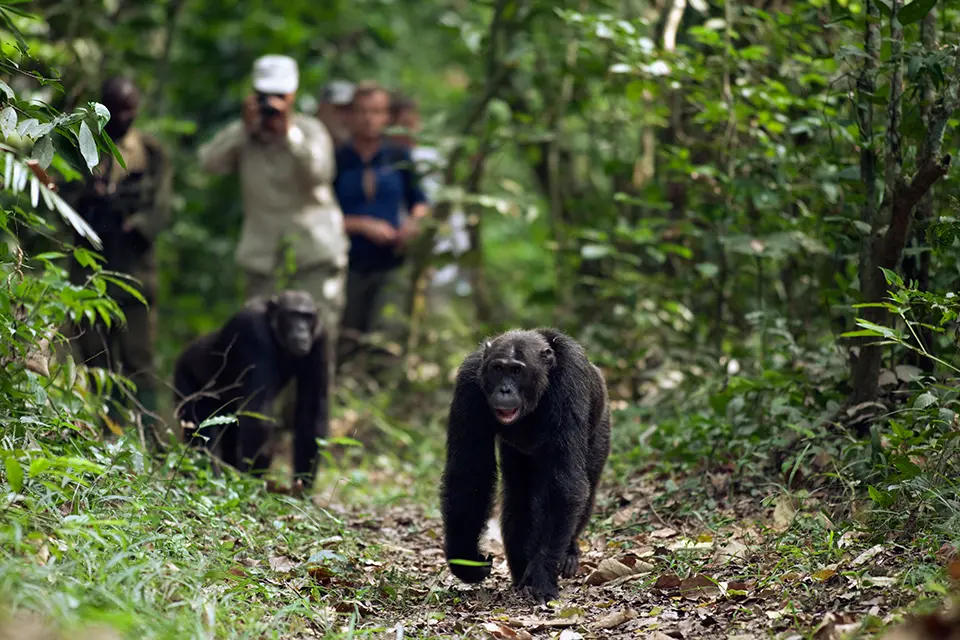
Trekking distances in Volcanoes are set by where a gorilla family happens to be that morning, not by the calendar, but the calendar does decide how hard the ground underfoot is. In June to September and December to February, volcanic soil compacts and paths through bamboo and montane forest stay largely firm. In the rainy months, the same paths turn to thick, often ankle-deep mud, and a two-hour trek can easily take half again as long.
Altitude and temperature swings
Most gorilla families range between 2,400m and 3,500m, where temperatures swing sharply within a single morning regardless of season. Dry-season starts are cold, often near freezing at dawn, warming quickly once the sun clears the ridge line. Wet-season mornings are milder but damper, and rain can arrive within minutes at any altitude. Layered, waterproof clothing is essential in every month, not only the rainy ones.
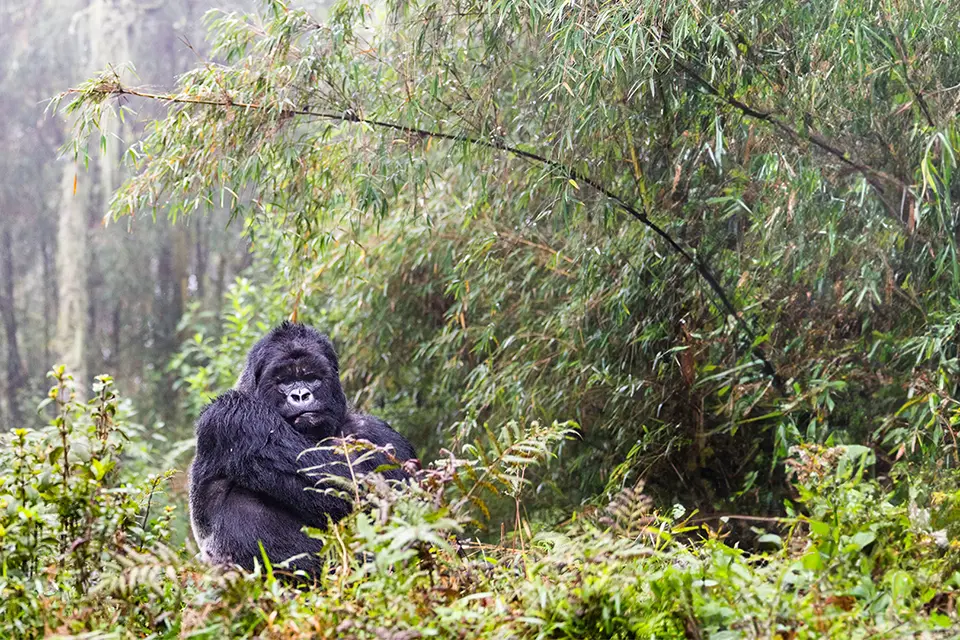
Permit availability through the year
Peak-season demand and lead times
Demand for Volcanoes' 96 daily permits rises sharply across June to September and December to February, and popular families can book out 12 to 18 months ahead, especially around the early-September Kwita Izina ceremony and the December holiday period. Africa Geographic secures permits as part of every Rwanda itinerary, but peak-season travellers should confirm dates with a safari expert as early as possible.
Booking a Volcanoes trek: a seasonal checklist
June-September or December-February travel: book gorilla permits 12 to 18 months ahead of your trek
March-May or November travel: 6 to 9 months ahead of departure is usually sufficient time
Travelling in early September: add extra lead time around the Kwita Izina naming ceremony
Travelling over the December holiday period: confirm dates early, as demand rises sharply
Remember that permits are non-refundable and non-transferable once they are confirmed
Africa Geographic secures permits as a standard part of every Rwanda gorilla itinerary
Build flexible days into your schedule either side, since treks depart in all weather
Peak months: convenience at a cost
June to September and December to February bring firmer trails, more reliable weather and easier overall logistics, but also fuller lodges, busier park headquarters at the 7am briefing, and permits that must be secured well in advance to guarantee a place. For travellers working around fixed dates or limited flexibility, this trade-off is usually worth making, since the trekking itself is genuinely more comfortable underfoot and less likely to be interrupted by weather.
"My family and I have just returned from a wonderful trip to Rwanda to see the gorillas. It was a trip of a lifetime – a bucket list trip that was realised! The sightings of the golden monkeys and gorillas were absolutely amazing and so were the local tours. The guides, rangers and our driver were so professional. "
Shoulder months: space without compromise
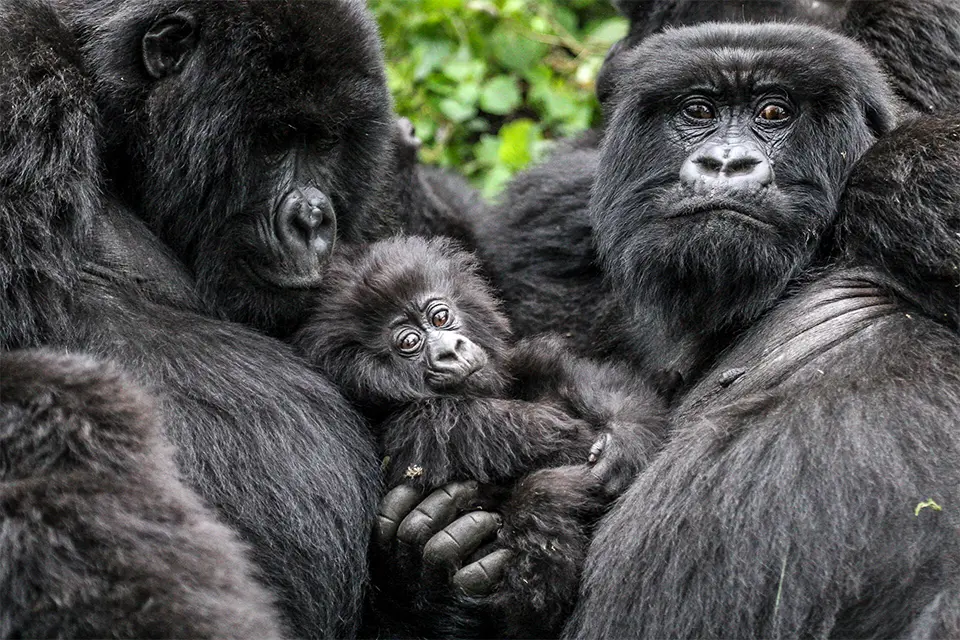
March to May and November see markedly fewer visitors at Kinigi, shorter queues at the morning briefing, and a real chance of having a gorilla family largely to yourselves once you reach them. The gorillas themselves are entirely unaffected by season; only the ease of reaching them, the crowding at the trailhead, and the number of other trekkers doing so alongside you actually changes across the year.
Frequently asked questions
There is no single best month, but June to September offers the longest run of firm, dry trails and clear volcano views, making it the most consistently comfortable window for trekking. December to February runs a close second, with cooler mornings but similarly firm ground. If dry underfoot conditions matter more to you than crowds or cost, choose one of these two dry seasons and book permits 12 to 18 months ahead.
Rain does not reduce the chance of finding a gorilla family; trackers monitor each habituated group daily regardless of weather, so sighting success remains reliably high year-round. What changes is the walk itself: paths become soft and slippery, and a trek that might take two hours in the dry season can take noticeably longer through wet-season mud, particularly on the steeper approaches to higher-altitude family groups.
Yes. Volcanoes issues only 96 permits a day across 12 habituated families, and demand concentrates heavily in June to September and December to February. Popular families and preferred dates can sell out 12 to 18 months in advance during these windows. Africa Geographic secures permits as part of every itinerary, but peak-season travellers should confirm dates with a safari expert as early as possible.
During March to May, Rwanda's long rains, trails through bamboo and montane forest can become thick with mud, particularly on the lower, more heavily used approaches near Kinigi. Gaiters, worn-in waterproof boots and trekking poles make a genuine difference underfoot. Guides adjust pace and route where needed, and hiring a porter to carry your pack is worth arranging in these wetter months especially.
It is comparably good for trail conditions, with firm ground and generally reliable weather, though mornings are noticeably cooler at altitude. The main difference is timing pressure: demand spikes around the Christmas and New Year period, so lodges and permits for this window book out nearly as far in advance as the longer mid-year dry season, and sometimes faster for the most sought-after dates.
Mornings are cold in every month at altitude, since most gorilla families range between 2,400m and 3,500m on the Virunga slopes. The short dry season, December to February, tends to bring the crispest dawns at the 7am briefing, though temperatures rise quickly once trekking begins and the sun clears the ridge line. Warm layers for the start of the day and lighter layers for the climb are recommended in every season.
Yes. Many lodges around Kinigi lower their rates during the quieter wet months of March to May and November, when occupancy drops and fewer trekkers are on the mountain. Rates rise again through the two dry seasons, particularly around the early-September Kwita Izina ceremony and the December holidays, when both lodges and gorilla permits are in high demand and should be booked well ahead of travel.
Largely no, since permit numbers and lodge capacity are fixed and busiest in June to September and December to February, so the trailhead and morning briefing will be at their fullest regardless of planning. Travellers who want firm, dry trails without heavy crowding are better served by the shoulder edges of these seasons, such as early June or late August, or by choosing the quieter November window instead.
Family assignments depend mainly on ranger reports of each group's location that morning, your fitness level and permit type, rather than directly on season. However, some higher-altitude families involve steeper, more exposed approaches that become notably harder in wet-season mud, so guides may factor recent weather conditions into assignments for trekkers with lower fitness or particular mobility concerns.
Kwita Izina, Rwanda's annual mountain gorilla naming ceremony, is usually held in Kinigi in early September, during the long dry season, and celebrates newborn gorillas across the Virunga families. It draws conservationists, dignitaries and travellers from around the world, and pushes demand for permits and nearby lodges even higher than the typical June to September peak. Confirm the exact date with your safari expert.
Start planning your dream safari
Our travel experts will craft a no-obligation itinerary just for you. We have crafted over 5,000 safaris since 1991. Your personal details are protected; we only use this information to contact you.
Why book your safari with us?

Deep Experience & Knowledge
Handcrafted experiential safaris since 1991.
Travel in Africa is about knowing when and where to go, and with whom. A few weeks too early/late or a few kilometres off course, and you could miss the greatest show on Earth. And wouldn’t that be a pity?

Trust & Safety

Make A Difference
We donate a portion of the revenue from every safari sold to carefully selected conservation projects that make a significant difference at ground level.
YOUR safari choice does make a difference - thank you!