

Tailor-made safaris. Since 1991



Kigali: where resilience shapes a remarkable city
Kigali at a glance:
Location: Geographical heart of Rwanda, East Africa | Access to Volcanoes National Park: ~2.5 hours by road |
Nearest airport: Kigali International Airport (KGL) | Best time to visit: June to mid-September (dry season) |
Currency: Rwandan Franc (RWF) | Safety: Ranked Africa's safest country by the World Economic Forum |
Minimum recommended city stay: 1–2 nights | Malaria risk: Low in Kigali; consult your doctor |
Why visit Kigali?
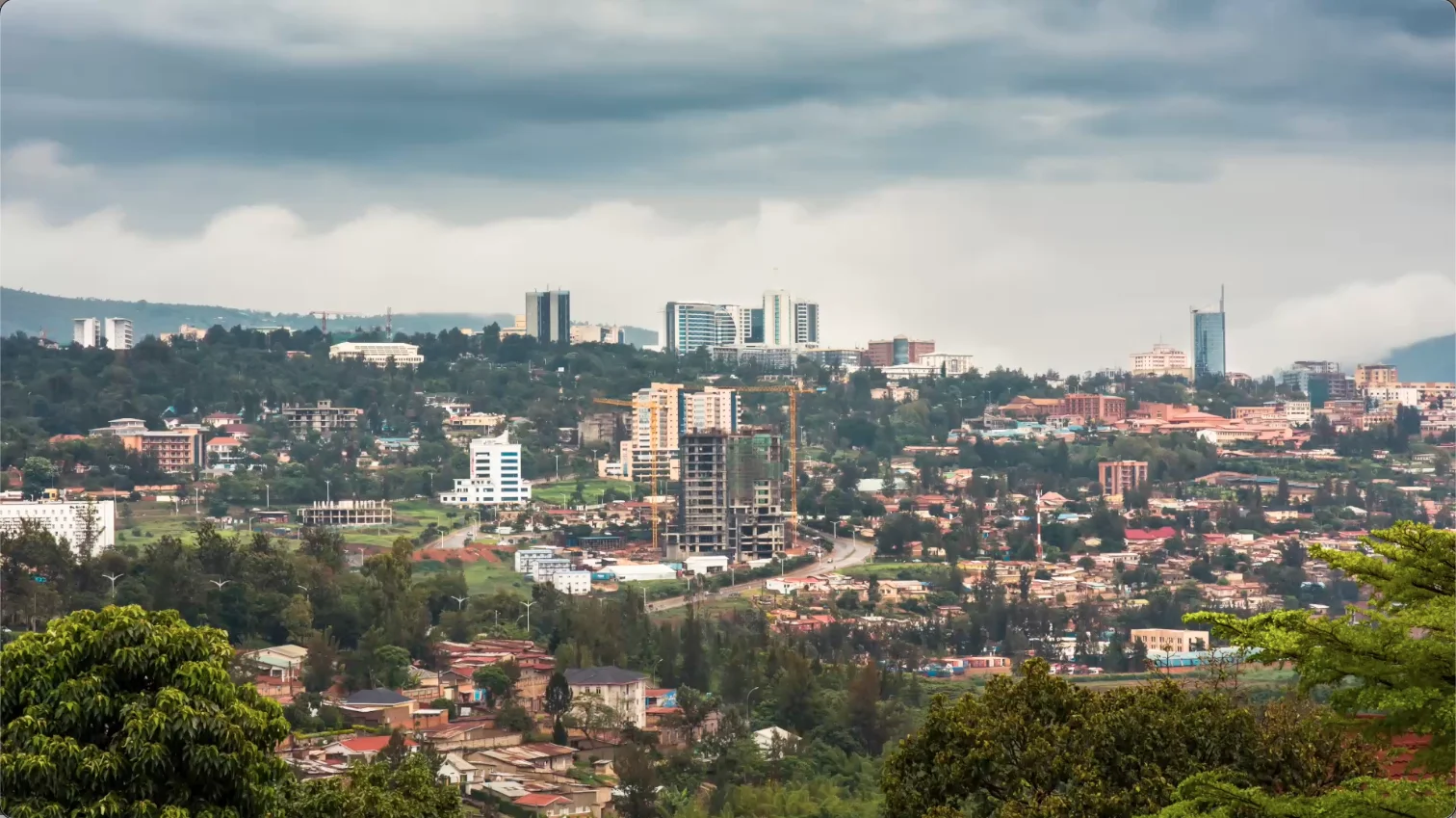
Rwanda's capital sits at the geographical heart of the country, spreading across a network of lush hills and valleys connected by well-maintained roads. For most travellers, Kigali is the entry and exit point for a journey to Rwanda, but those who set aside time to explore the city itself quickly discover something far more layered than a transit stop.
Kigali has been recognised as Africa's safest country by the World Economic Forum, and the city reflects this: it is well-ordered, walkable and genuinely welcoming to visitors. Old informal settlements have steadily transformed into thriving suburbs and commercial areas. The modern skyline and clean streets tell the story of a city and a country in confident, purposeful motion.
Yet Kigali's most powerful draw is not its modernity but its depth. The Kigali Genocide Memorial, in the Gisozi district, is a place of profound importance, a place of remembrance dedicated to the victims of the 1994 genocide against the Tutsi people in Rwanda, and a centre for peace education and reconciliation. It is not an easy visit, but it is an essential one, offering context that shapes how travellers engage with everything Rwanda has become.
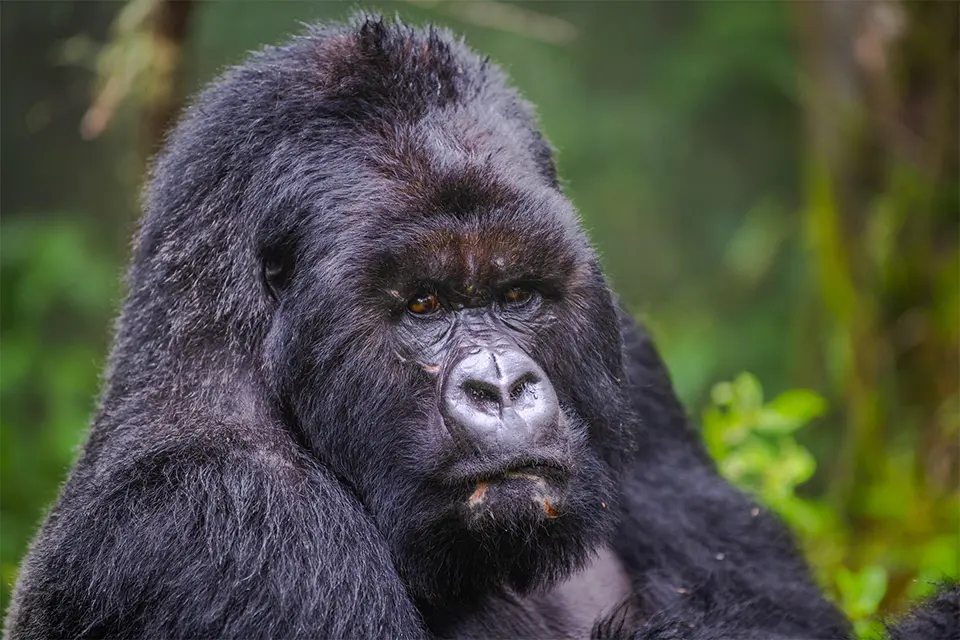
Beyond the memorial, the city rewards curiosity. The lively neighbourhood of Nyamirambo pulses with local life. The Inema Arts Centre showcases Rwanda's creative energy. Craft markets, women-led social enterprises, independent coffee roasters, and the popular Kigali Convention Centre add further texture to a city that consistently surprises even tourists visiting Rwanda to trek for its famous mountain gorillas.
The secret behind why Kigali is so clean
On the last Saturday of every month, Rwandan citizens are expected to participate in cleaning streets and public spaces, building homes for vulnerable families, repairing roads and drainage systems, planting trees and constructing schools, health centres, and other community facilities. This community service is known as Umuganda, which means "coming together for a common purpose to achieve an outcome".
5 reasons we love Kigali
Profound historical remembrance: The Kigali Genocide Memorial is a moving and important tribute to the victims of 1994, promoting reconciliation and peace through education.
Arts and craft at every turn: From the Inema Arts Centre's resident artists to Caplaki Craft Village's handcrafted treasures, Kigali's creative scene rewards exploration.
The most welcoming neighbourhood: Nyamirambo's multicultural streets, cool markets, bars, and brochette spots make this lively district the true heartbeat of Kigali.
Remarkable safety and ease: Ranked Africa's safest country, Kigali is walkable, orderly, and genuinely comfortable; a perfect introduction to travelling the continent.
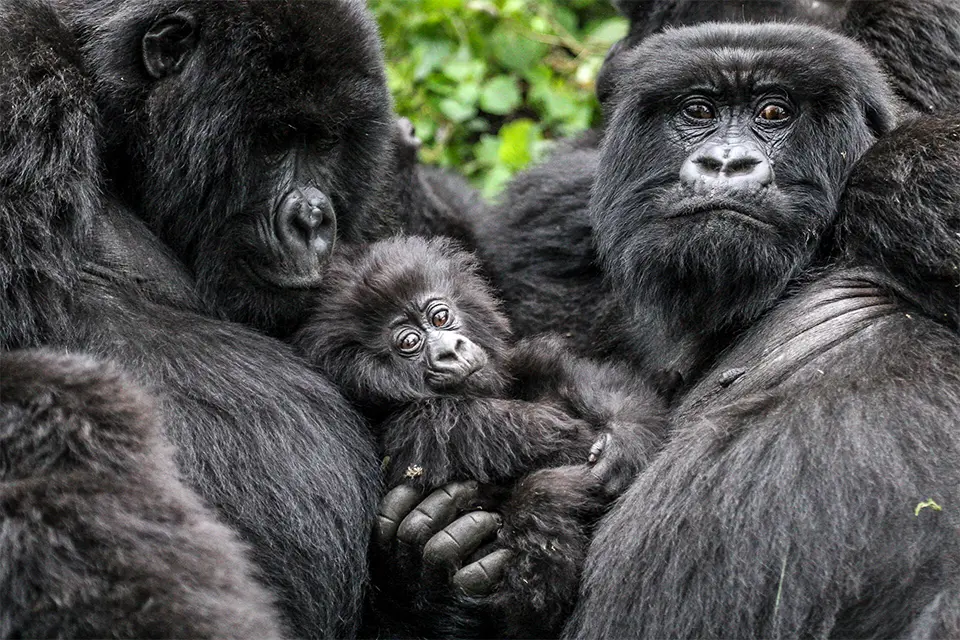
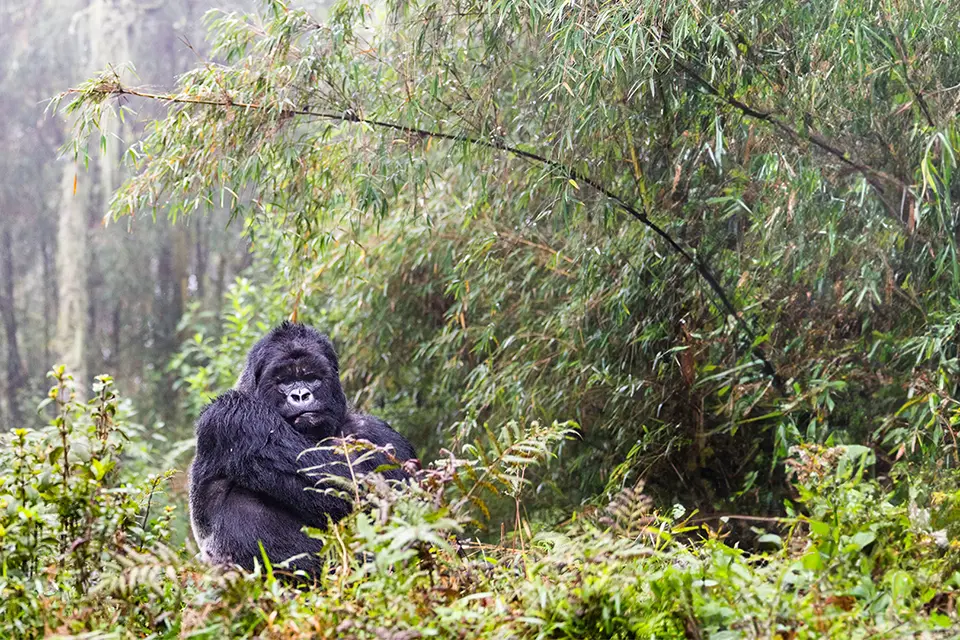
Gateway to gorilla country: Volcanoes National Park, home to the endangered mountain gorilla, lies just 2.5 hours from the city, making Kigali the ideal base.
All you need to know about Kigali
About Kigali
Founded in 1907 during German colonial rule, Kigali has been Rwanda's capital since the country gained independence in 1962. The city spans several interconnected hills and valleys in the geographical centre of Rwanda, with well-tarred roads providing convenient access to the country's national parks and key attractions.
Despite its tropical location, Kigali enjoys a moderate, high-altitude climate that shields it from the more intense heat of the surrounding region. The city centre is vibrant and commercial, with boutiques, coffee shops, and shopping malls that reflect the city's modern character. Lively local markets offer a more authentic counterpoint, places where visitors encounter the warmth and friendliness Kigali is known for.
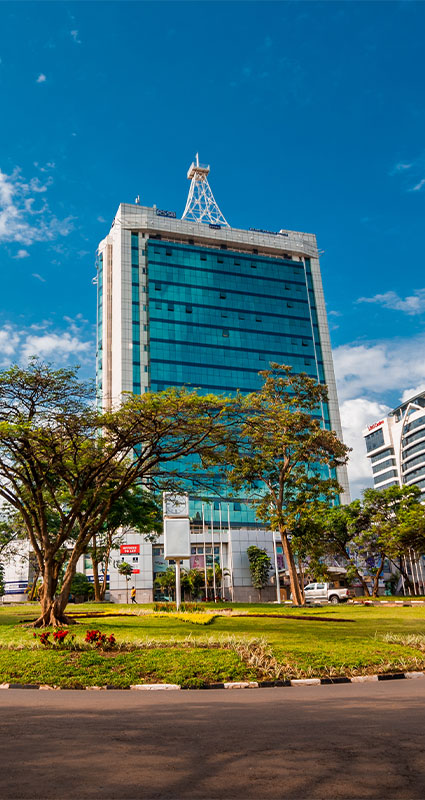
The main commercial and social hub centres on the Hotel des Mille Collines, one of the city's most iconic landmarks. From here, the Gisozi district, home to the Genocide Memorial, and the colourful neighbourhood of Nyamirambo are both within comfortable reach. Rwanda is a compact country, and Kigali is the natural starting point for exploring it in full via excellent tar roads.
Things to do in Kigali
Visit the Kigali Genocide Memorial: The final resting place for 250,000 victims of the 1994 genocide against the Tutsi people, this is a profound place of remembrance, learning, and peace.
Explore Nyamirambo: Kigali's most vibrant neighbourhood offers cool shops, lively markets, local bars, and authentic brochette, the beating, multicultural heart of the city.
Discover the Inema Arts Centre: Home to artists-in-residence from the Great Lakes region, it hosts exhibitions, events, and classes in drumming, dancing, and local crafts.
Browse Caplaki Craft Village: A market of independent artists and small businesses selling carved woodwork, woven baskets, beaded jewellery, and tribal masks made in Rwanda.
Visit Nyandungu Urban Wetland Ecotourism Park: This 121-hectare eco-park in the city centre features a medicinal garden, five catchment ponds, and 10km of walkways and bike lanes.
Sip coffee at Question Coffee: Excellent coffee produced by women farmers and served with pastries; a meaningful stop supporting Rwanda's thriving specialty coffee sector.
Top 10 Kigali restaurants
Nyurah: Best for contemporary Rwandan fine dining. Chef-led tasting menus reinterpret local ingredients in a refined setting.
Poivre Noir: Best for classic fine dining. French-inspired cuisine, excellent steaks and seafood, and one of the city's strongest wine lists.
Repub Lounge: Best for authentic Rwandan food and atmosphere. The balcony is particularly popular, and live music adds to the atmosphere on many evenings.
Lemon Kigali: Best for stylish contemporary dining. Particularly good for cocktails and dinner.
Heaven Restaurant: Best for tourists and business travellers. Excellent international cuisine combined with social impact via hospitality training.
Fusion Restaurant: Best for international fine dining. Elegant contemporary restaurant serving beautifully presented dishes.
Kultura: Best for Asian fine dining. Sophisticated Asian cuisine in an elegant setting.
Question Coffee Café: Best for coffee lovers. Kigali's best place to taste Rwanda's world-famous coffee with excellent breakfasts and light lunches.
Kurry Kingdom: Best for Indian cuisine. Expect authentic curries, tandoori dishes and vegetarian options.
Meza Malonga: Best for serious food enthusiasts. Chef Dieuveil Malonga's tasting menus showcase ingredients from across the continent.
Where to stay in Kigali
Kigali punches above its weight in accommodation, offering a range from established five-star hotels to thoughtfully run boutique properties.
Kigali Serena Hotel is one of the city's most established luxury addresses. Flanked by manicured gardens, the hotel combines international service standards with a distinctly Rwandan sense of hospitality.
Hotel des Mille Collines occupies a place in both Kigali's skyline and its history; it is the hotel depicted in the film Hotel Rwanda and remains one of the most recognisable landmarks in the city. The rooftop bar, Le Panorama, offers sweeping views across Kigali's famous hills and is a popular spot for sundowners.
Amata N'Ubuki offers a more intimate atmosphere, reflecting the warmth and character of contemporary Rwanda. For travellers seeking a personal touch and a connection to local culture and design, a smaller boutique property offers a different rhythm from the large hotel experience.
Four Points by Sheraton Kigali sits close to Kigali International Airport, making it a practical and comfortable choice for those arriving late or departing early.
The Court Boutique Hotel occupies the boutique end of the market with an emphasis on character, intimacy, and personalised service. Smaller in scale than the city's larger properties, it appeals to the kind of traveller who prefers thoughtfully curated spaces over the anonymity of a large hotel.
Trusted by thousands of ecstatic travellers
✔️ 5-Star Trustpilot Rating ✔️ Condé Nast Travel Specialist Award Winner
✔️ Accredited by SATSA ✔️ 5,000+ Exceptional Safaris Since 1991
Why choose Africa Geographic to plan your safari?

"Our safari in Rwanda included 3 days in the capital city, Kigali...we were struck by the cleanliness and safety not only of Kigali but the country as a whole. Visits to the well presented genocide memorials are essential to grasp the horror of those few months in early 1994 and to appreciate the huge recovery that Rwanda has experienced since those dark months...Our holiday in Rwanda was memorable...as was our decision to approach Africa Geographic Travel to set up our safari."

"Africa Geographic was amazing to work with. They tailored a trip specifically for us based on our wants and needs. They take the time to listen to you and understand what you are looking for from this sometimes once in a lifetime experience. They are professional, courteous, friendly and with you every step of the way. Their job does not end until you are home. If I could give them more than 5 stars I would!"

"Exceeded all expectations! Great communication and organization of the itinerary. Gave us two very experienced and personable guides. Lodging met all our requirements. All transfers and pick ups were right on time, seamless and worry free. Hundreds of great photo memories! Enjoyed learning about the history, culture and customs from our guides as well as exploring and experiencing the vast wilderness and seeing all the wildlife!"
Wish you were here?
Frequently asked questions
Yes. Rwanda has been ranked Africa's safest country by the World Economic Forum, and Kigali reflects this: it is walkable, well-ordered, and genuinely welcoming to international visitors. Even after dark, the city feels comfortable and secure. It is frequently described as an ideal introduction to African travel.
Most Rwanda itineraries include one to two nights in Kigali; enough time to visit the Genocide Memorial, explore Nyamirambo, and experience some of the city's restaurants and coffee culture. Those combining Rwanda with Kenya, Tanzania, or Uganda may wish to plan a total of 12 to 14 nights for the wider East African journey.
The Kigali Genocide Memorial in the Gisozi district is the final resting place for 250,000 victims of the 1994 genocide against the Tutsi people of Rwanda. It is a place of remembrance and learning dedicated to promoting reconciliation and building peace through education. It is a powerful and important experience; plan to visit early in your stay rather than on your final day.
Kigali is easy to navigate using metered taxis, buses, airport transfers offered by hotels and guesthouses, ride-hailing apps (Uber, Move and Bolt), or the city's distinctive motorcycle taxis, known as motos, whose drivers and passengers are required to wear helmets.
The best time to visit is during the long dry season, which runs from June to mid-September. This period offers the most settled weather and is particularly important for those planning gorilla trekking, as drier conditions make forest trails more manageable. A shorter, gentler dry period also occurs from December through February.
Kinyarwanda is the primary language of Rwanda, alongside French and English. English is widely spoken in Kigali's hotels, restaurants, and tourist-facing businesses, and most international visitors navigate the city with ease.
Most visitors can obtain a 30-day tourist visa on arrival at Kigali International Airport or apply in advance for an e-visa. The East Africa Tourist Visa allows multiple entries across Rwanda, Uganda, and Kenya for combined journeys. Confirm requirements with your nearest Rwandan consulate or embassy before travel.
A Yellow Fever vaccination certificate is required if arriving from a country with a risk of Yellow Fever transmission. Anti-malarial medication is recommended, particularly for visits to Akagera National Park. Kigali's high altitude reduces, but does not eliminate, malaria risk. Consult your doctor or a travel health clinic at least six weeks before departure.
Volcanoes National Park is approximately 80km from Kigali and takes around 2.5 hours by road. Many travellers transfer directly from the airport to the park or to the nearby town of Ruhengeri. Comfortable hotels near the airport are also available for those who prefer to stay overnight in the city before making the transfer.
The most famous local dish is the brochette, a skewer of meat or fish served across the city, most authentically in local bars and roadside spots. Other popular dishes include ugali (maize porridge), nyama choma (barbecued meat), and akabenz (barbecued pork). Rwanda's specialty coffee culture is thriving; Question Coffee is a particularly good stop for locally grown, women-produced coffee.
Yes. Rwanda combines exceptionally well with Kenya, Tanzania, Uganda, and Zanzibar. A 12- to 14-night itinerary covering Rwanda's national parks and one or two other East African destinations offers a well-rounded regional journey. Africa Geographic specialises in crafting tailored multi-country itineraries of this kind.
No. Rwanda has banned the import and use of plastic bags — one of the measures that keeps Kigali among the cleanest cities in Africa. Bring a reusable canvas bag and avoid packing single-use plastics in your carry-on. This is both a legal requirement and a reflection of Rwanda's forward-thinking approach to environmental stewardship.
Nyamirambo is a multicultural, primarily Muslim neighbourhood widely regarded as the most vibrant and authentic part of Kigali. Its streets are lined with local shops, markets, bars, and restaurants serving brochettes and grilled fish. The Nyamirambo Women's Centre, based here, employs local women to create accessories, clothing, and home décor, and offers basket-weaving and cooking classes for visitors.
Rwanda is one of Africa's most compelling safari countries. Kigali's close proximity to Volcanoes National Park for gorilla trekking, Akagera's savannah Big 5 safari experience and Nyungwe's chimpanzee trekking means an exceptional range of wildlife encounters is accessible from a single compact, safe, and well-connected country. Kigali International Airport receives direct flights from major African hubs, making logistics relatively straightforward for international visitors.
Our safaris typically cost from US$700 per person, per night, depending on the accommodation comfort level, time of year and activities. This price usually includes accommodation, all meals, game drives, experienced guides, airport transfers, and 24/7 support from our team.
You only make your first payment when you book your holiday. Your second (last) payment is about 105 days before you travel.
Peak season bookings require 12–18 months of advance planning. Trips outside of peak season can be arranged 6–9 months ahead, with better rates and availability.
Click here to schedule a no-obligation call with one of our Safari Experts or fill in our 2-minute form with your questions. Our team of experts are here to help! Whether you’re curious about the best time to travel, want to hear first-hand about an experience or need help planning your safari.
Explore more African destinations
Start planning your dream safari
Our travel experts will craft a no-obligation itinerary just for you. We have crafted over 5,000 safaris since 1991. Your personal details are protected; we only use this information to contact you.
Why book your safari with us?

Deep Experience & Knowledge
Handcrafted experiential safaris since 1991.
Travel in Africa is about knowing when and where to go, and with whom. A few weeks too early/late or a few kilometres off course, and you could miss the greatest show on Earth. And wouldn’t that be a pity?

Trust & Safety

Make A Difference
We donate a portion of the revenue from every safari sold to carefully selected conservation projects that make a significant difference at ground level.
YOUR safari choice does make a difference - thank you!