

Tailor-made safaris. Since 1991



What’s the ideal length for a bush and beach safari?
A combined bush and beach safari works best when the safari portion runs for at least 5 days and the beach stay for at least 4 days. On a 10-day trip, most travellers do well with a 6-and-4 split. On 14 days, an 8-and-6 split is the Africa Geographic recommendation. The exact ratio depends on total trip length, whether you're visiting more than one wildlife destination, seasonal timing, and your personal travel pace. Fewer than 3 nights on safari is rarely enough for consistent wildlife sightings; fewer than 3 nights on the beach leaves little time to decompress. The guiding principle is this: safari should feel rewarding, not rushed; beach should feel restorative, not just like a layover.
Why the split between bush and beach matters
Most travellers asking 'how many days on safari and beach' are really asking two questions at once: how much time do I need to see wildlife properly, and how much beach time does it actually take to feel rested? Both questions have answers, and those answers form the backbone of a well-structured itinerary.
Safari days follow a distinct rhythm. Dawn game drives, midday rest, late afternoon drives, and evenings around the fire. It takes most guests a night or two to fully adjust to that pace, which is why short safari stays often leave people feeling they've only just hit their stride when it's time to leave. Beach days, by contrast, are slower and more flexible. Three nights are enough to genuinely switch off; two nights can feel rushed, especially when there's travel on either end.
The other factor is energy. Safari is active and early. Beach is restorative and slow. The transition from one to the other – usually a short flight – is part of the experience. Getting the balance right means arriving at the beach feeling ready to relax, not exhausted from too little time in the bush.
Recommended splits by total trip length
These are Africa Geographic's starting-point recommendations based on years of planning combined itineraries. Adjust based on whether you're covering multiple wildlife destinations, your budget, and how important extended beach time is to you.
Total trip length | Safari nights | Beach nights | Notes |
7 days | 4 nights | 3 nights | Tight but workable. One safari destination only. Best with a simple transfer route – e.g. Maasai Mara to Diani, or Kruger to Mozambique. |
10 days | 6 nights | 4 nights | The most popular length. Comfortable pacing for one or two safari areas. 4 beach nights allows genuine rest. |
14 days | 8 nights | 6 nights | Our preferred length. Enough for two complementary wildlife areas plus a proper beach stay. Avoids the rushed feeling. |
21 days | 12 nights | 9 nights | Ideal for covering southern and East Africa or combining a remote safari with a longer Indian Ocean extension. |
Bush and beach safaris we love
Choosing the right itinerary means matching your available time with the right destinations and the right balance. Here are three Africa Geographic safaris that illustrate the principle well.
Okavango Delta and Vilanculos Bush & Beach safari: Start this 12-day safari in the Okavango Delta, searching for big cats and wild dogs, and then head on to barefoot beach walks, ocean swims and dhow sails in Vilanculos. 6 nights in Okavango Delta, 1 night in Johannesburg, and 4 nights in Vilanculos. View safari →
Maasai Mara and Diani bush and beach: A 10-day safari pairing Kenya's most celebrated game reserve with the powder-soft beaches of the southern Kenyan coast. Five nights in the Mara and four at Diani is an effective and well-paced combination. Discover this safari →
Kruger and Bazaruto bush and beach: Southern Africa's benchmark Big Five destination paired with the remote and reef-rich Bazaruto Archipelago in Mozambique. A flexible structure that works from 8 to 12 days. Check out this safari →
How to adjust the split for your trip

If you're travelling with children
Shorter safari stays – four to six nights – tend to work better for families with young children. Long game drives early in the morning are harder to manage for under-10s, and the beach portion often becomes the trip highlight for children anyway. A 6-and-5 split on a 10- or 11-day trip keeps the pace manageable. Choose a safari destination with good family lodges and flexible drive schedules, such as the greater Kruger area or the Maasai Mara.
If this is a honeymoon
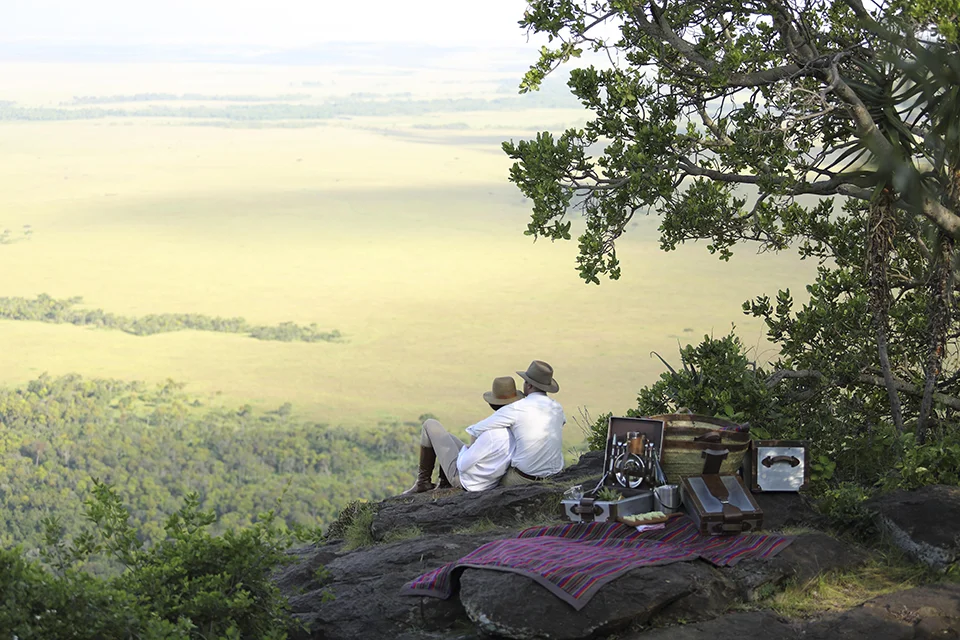
Honeymoon travellers generally benefit from slightly more beach time and slightly less rush on transfers. During a 10-day honeymoon, a 5-and-5 split works well if the safari destination is a single, well-chosen reserve. On a 14-day trip, 8 for safari and 6 for beach is the Africa Geographic recommendation. Ramona Rubach, safari expert, reflects on the value of a beach ending: “Ending our safari with sun, sea and shared downtime felt perfect. We relaxed, reminisced and recharged together, soaking up those final moments before easing back into everyday life.”
If you're visiting multiple wildlife areas
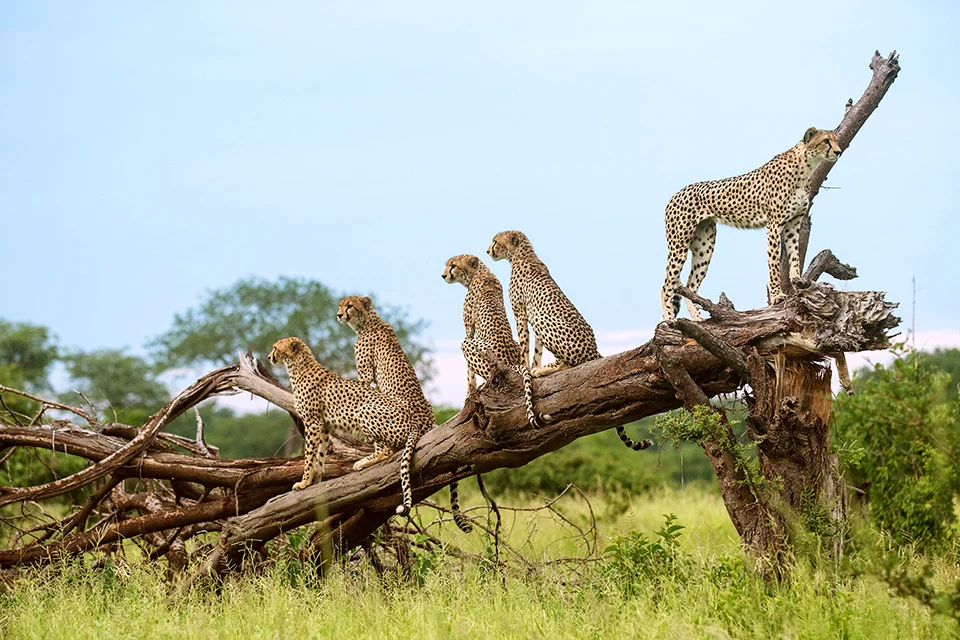
If your itinerary includes more than one safari destination – for example, the Serengeti and the Ngorongoro Crater, or Victoria Falls and the Okavango Delta – add at least two extra nights to the bush portion. Multiple wildlife areas each need time to reveal themselves, and moving quickly between them reduces the quality of both experiences. A 10-and-5 split on 15 days is reasonable; on 14 days with two safari destinations, be prepared to accept a shorter beach stay of 3 or 4 nights.
Season and weather considerations
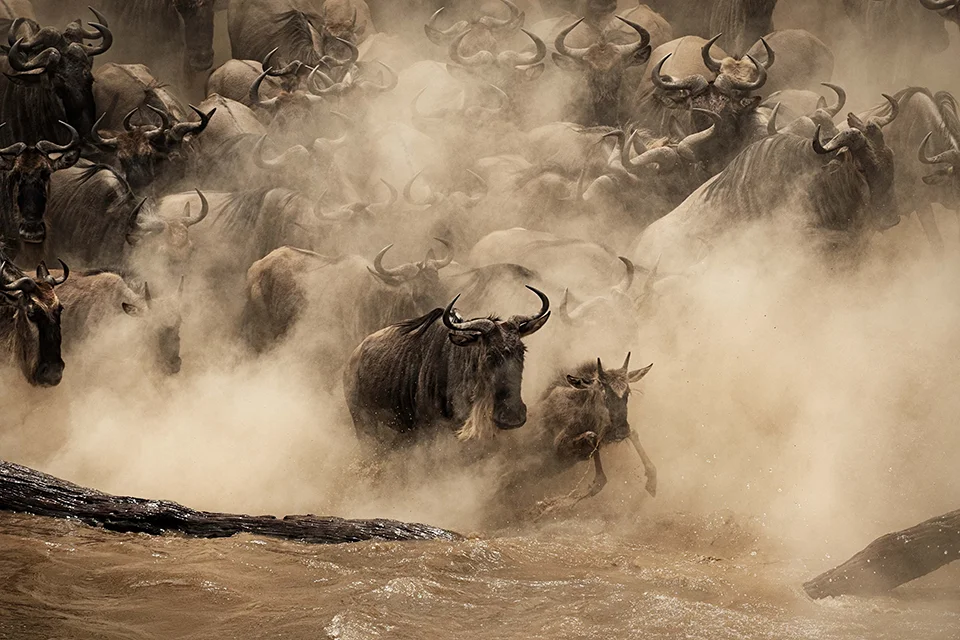
Peak safari season in East Africa runs from July to October, when the grass is short, animals concentrate around water, and the Wildebeest Migration reaches the Mara River in Kenya and Tanzania. Beach weather on the East African coast is most reliable from June to October and December to March. These windows align well, which is one reason East Africa's bush-and-beach combinations are so popular. In southern Africa, the prime safari months of May to October also coincide with the best dry-season beach conditions in Mozambique. Align your itinerary to these windows where possible, as poor beach weather in a short stay significantly reduces the value of the beach portion.
The minimum safari duration for a good experience
Four nights on safari gives you six game drives – three mornings and three afternoons – allowing time for you to settle in and get into the groove of searching for wildlife. Wildlife encounters build. You learn the territory, the guides learn what you're hoping to find, and repeat sightings of the same animals across different drives add depth that a two-night stay simply can't provide.
Three nights is possible with the right lodge and reserve, but it leaves almost no margin for slow days. Two nights is enough for a brief taste but rarely enough for a satisfying wildlife experience.
When more nights in the bush are worth it
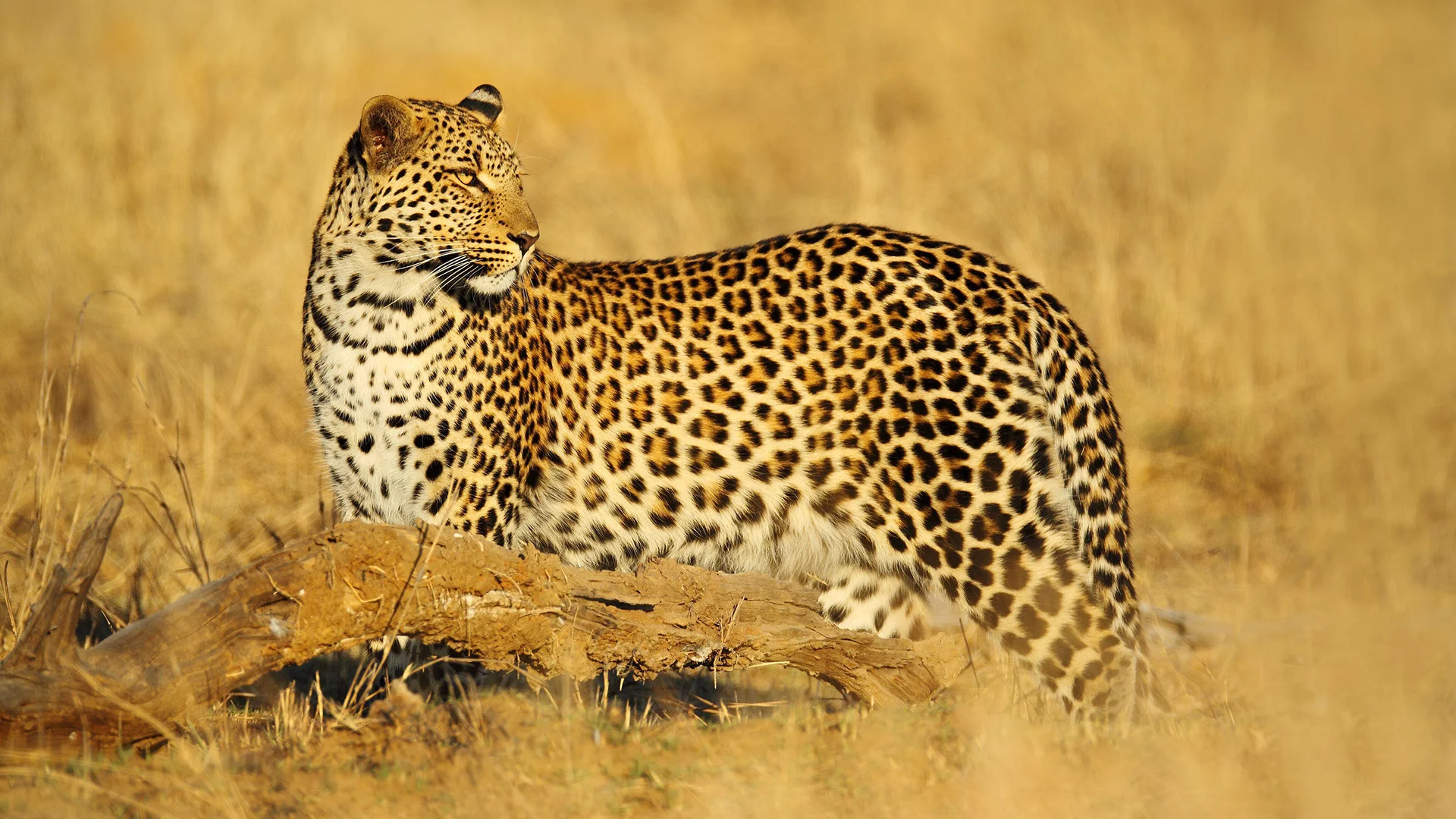
If you're travelling to a remote or specialist wildlife destination – Katavi in western Tanzania, the Okavango Delta in peak season, or Ruaha with its enormous lion prides and antelope herds – add at least two extra nights. These destinations reward patience and reward guests who stay long enough to move beyond the first-look encounters. As Africa Geographic CEO Simon Espley puts it about Ruaha: “There is a primordial feel about Ruaha – those huge ancient baobabs, scarred by centuries of weather and elephants, and the huge herds of buffaloes kicking up the dust as they battle prides of lions – eternal enemies. My kind of place.” That kind of experience doesn't reveal itself in two nights.

The minimum beach duration for genuine rest
Three nights at the beach give you two full days with no travel pressure on either side. For a honeymoon or a trip specifically designed around decompression, push that to five or six nights. For a traveller who is primarily there for the scenic change, three nights is sufficient.
The important thing is to treat the beach stay as its own experience rather than a short appendage to a safari. The Indian Ocean coastline – Zanzibar, the Bazaruto Archipelago, Diani Beach, the Seychelles, Lamu – offers more than sunbathing. Snorkelling, dhow sailing and cultural exploration of villages and towns all benefit from more time.
When more beach nights are worth it
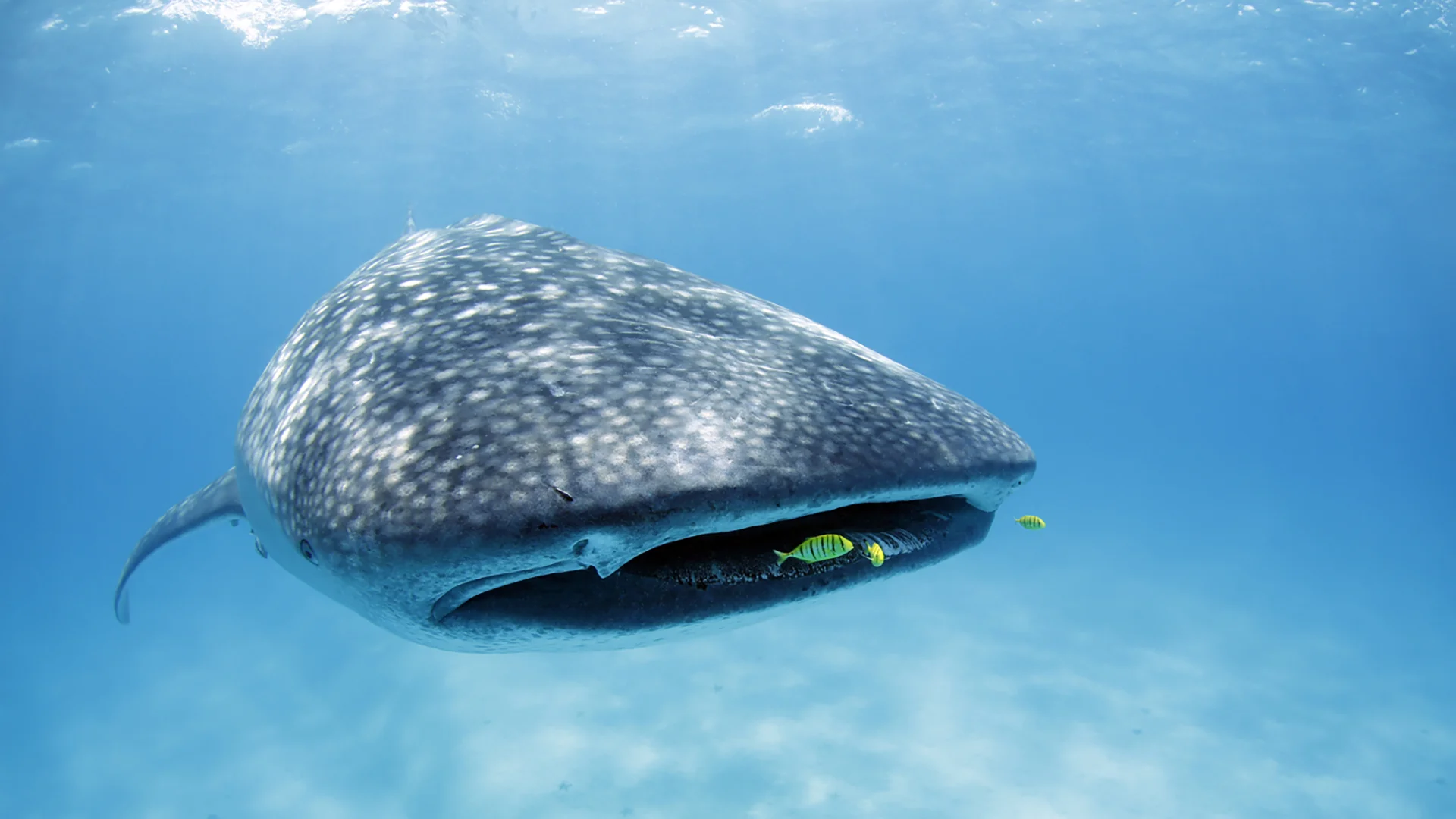
Ross Exler, Africa Geographic's safari expert, describes his own approach: “Many visit the Seychelles to unwind, but my visits are always active. I spend more time snorkelling than on the beach, exploring vibrant lagoons and reefs alive with colour, movement and endless marine surprises.” If that kind of coastal exploration appeals to you, plan for at least five nights. The Seychelles, in particular, rewards a longer stay – the islands are distinct, the marine life is extraordinary, and rushing between Mahé, Praslin, and La Digue leaves little room to go deep into any of them.
Wish you were here?
Practical planning guidance
A common planning mistake is counting travel days as full safari or beach days. If you arrive at your lodge at 2pm, you have one afternoon drive before your first night in camp. If you leave on the morning of day four, there won’t be time to fit in a last morning game drive. When assessing whether your safari allocation is sufficient, count the drives, not the nights. Africa Geographic's planning approach accounts for this from the start, so your nights actually deliver the game viewing time you're expecting.
Transfers and logistics
Most bush-and-beach combinations in Africa involve at least one short charter flight between the safari area and the coast. These are short flights – typically under two hours – but they must be factored into the day. Flights from the Maasai Mara to Diani, from Kruger to Vilanculos, or from the Serengeti to Zanzibar are all well-established routes. Where road transfers are involved, check the actual travel time. A four-hour overland transfer to a beach resort is a significant use of a day on a short trip.
Where to add extra nights if budget allows
If you have flexibility, add extra nights to the safari rather than the beach. Beach stays hit a natural plateau relatively quickly – after four or five days, most travellers have found their rhythm and could leave comfortably. Safari, on the other hand, continues to reward additional time. An extra night or two in the Okavango Delta, the Serengeti, or the Maasai Mara almost always yields new and exciting wildlife encounters.
Frequently asked questions
Africa Geographic recommends a minimum of 4 nights on safari before transitioning to the beach. This gives you enough game drives – typically six – to build genuine wildlife encounters and settle into the rhythm of camp life. On a 10-day trip, 6 nights on safari and 4 at the beach is the standard recommendation. Fewer than 3 nights on safari rarely provides a satisfying experience, particularly in more remote reserves where wildlife encounters take a day or two to find their pace.
On a 10-day bush and beach itinerary, Africa Geographic recommends 6 nights on safari and 4 nights at the beach. This gives you enough time for one or two complementary wildlife areas and leaves four full beach days with no travel pressure on either side. If you're visiting a single well-placed reserve – such as the Maasai Mara with a Diani Beach extension – a 5-and-5 split also works well, particularly for honeymoons where a more balanced pace is preferred.
Two nights on safari gives you three game drives and a brief encounter with the bush. It's possible, but it leaves very little room for the itinerary to find its footing. Most travellers who do two nights on safari report wanting more time. If your total trip is 7 days or fewer and two nights is your only option, choose a well-stocked private reserve with high wildlife density – greater Kruger, Phinda, or a private concession in the Maasai Mara – where sightings tend to be more reliable in a short window.
Three nights is the recommended minimum beach stay after a safari. This gives you two full beach days with no transfers on either side. For a genuinely restorative experience – or a honeymoon – five to six nights is better. The beach portion should not feel like a rushed ending. Destinations such as Zanzibar, Diani, the Seychelles, and the Bazaruto Archipelago each have enough to offer that a longer stay rewards the investment.
On a 14-day trip, Africa Geographic recommends 8 nights on safari and 6 nights at the beach. This opens the door to two complementary wildlife areas – for example, the Serengeti and the Ngorongoro Crater, or the Okavango Delta and Chobe – plus a meaningful beach stay. Popular 14-day combinations include Serengeti with Zanzibar, Maasai Mara with the Seychelles, and Kruger with the Bazaruto Archipelago in Mozambique.
Most travellers do safari first and beach second. The logic is practical: safari requires early starts, alertness, and a lot of activity; the beach is where you switch off. Ending a trip at the beach rather than returning home from the bush tends to produce a more relaxed conclusion to the holiday. There are exceptions – if you're arriving from a long-haul flight and want to ease in with a few quiet days before the intensity of game drives – but the safari-first sequence is the standard Africa Geographic recommendation.
Yes, and it works well on 14 days or longer. On 10 days, adding more than one safari area plus a beach stay creates a rushed itinerary unless the destinations are close together and the transfers are straightforward. On 14 days, two safari areas and a beach stay is very manageable. On 21 days, it's possible to cover three wildlife areas and a longer beach extension without compromising the quality of any of them. Africa Geographic's experts can advise on the most logical combinations by geography and season.
Start planning your dream safari
Our travel experts will craft a no-obligation itinerary just for you. We have crafted over 5,000 safaris since 1991. Your personal details are protected; we only use this information to contact you.
Why book your safari with us?

Deep Experience & Knowledge
Handcrafted experiential safaris since 1991.
Travel in Africa is about knowing when and where to go, and with whom. A few weeks too early/late or a few kilometres off course, and you could miss the greatest show on Earth. And wouldn’t that be a pity?

Trust & Safety

Make A Difference
We donate a portion of the revenue from every safari sold to carefully selected conservation projects that make a significant difference at ground level.
YOUR safari choice does make a difference - thank you!