

Tailor-made safaris. Since 1991



Where to trek wild gorillas
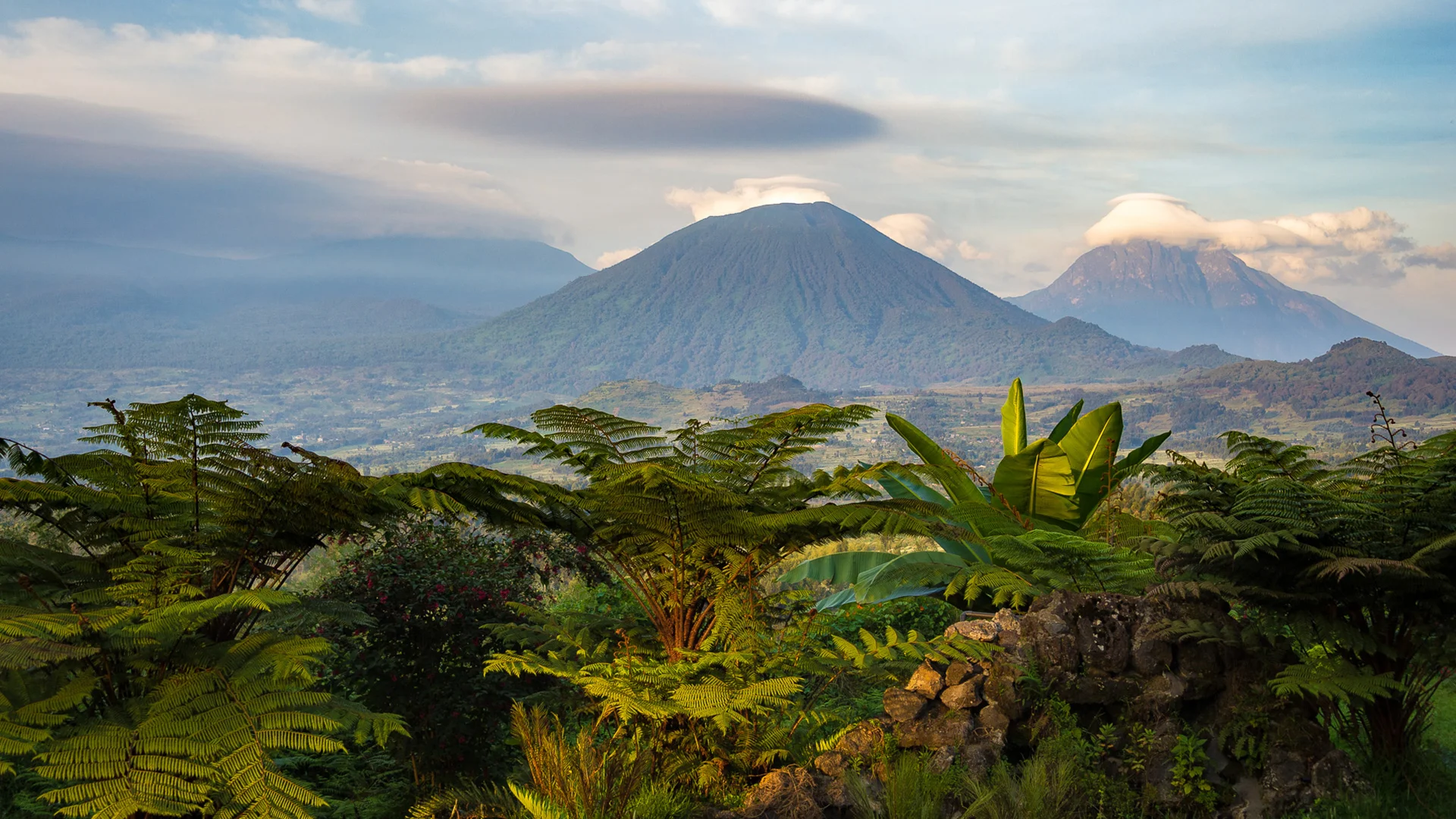
Wild gorillas can be seen in four countries across East and Central Africa, and across this broad range you’ll find the experiences differ widely. In fact, different species of gorillas occur in these different ranges and your experience will largely depend on their preferred habitat. For many, gorilla trekking is a deeply rewarding experience, regardless of where you choose to do it. Mountain gorillas, a subspecies of Eastern gorilla, live in Rwanda's Volcanoes National Park, Uganda's Bwindi Impenetrable Forest and Mgahinga, and the DRC's Virunga National Park. Western lowland gorillas – a subspecies of Western gorilla – are found in the Congo Basin at Odzala-Kokoua National Park in Congo-Brazzaville (Republic of Congo).
Where to go when the choices vary so widely? Rwanda and Uganda are stable and accessible, the DRC carries active conflict risks, and Congo-Brazzaville is safe but remote, and offers visitors a chance to view gorillas from the comfort of treetop hides, in addition to gorilla trekking. This article compares all four destinations on gorilla species, accessibility, permit cost, safety, viewing opportunities and trek character.
Quick comparison – all four destinations
Rwanda | Uganda | DRC (Virunga) | Congo-Brazzaville (Odzala-Kokoua) | |
Park | Volcanoes NP | Bwindi Impenetrable NP + Mgahinga Gorilla NP | Virunga NP | Odzala-Kokoua NP |
Gorilla species | Mountain gorilla | Mountain gorilla | Mountain gorilla, Eastern Lowland gorilla | Western lowland gorilla |
Permit cost (2026) | US$1,500 | US$800 | US$400 | Kamba camps charge a trekking fee, whereas Camp Imbalanga does not |
Access from nearest airport | Kigali (2–3 hrs by road) | Entebbe (1–1.5 hrs via light aircraft) | Goma (1–2 hrs by road) | Brazzaville (2 hrs via light aircraft, 9 hrs by road) |
Infrastructure | Excellent tourism infrastructure | Well-developed tourism infrastructure | Limited tourism infrastructure | Remote camps |
Safety | Stable | Stable | Active conflict risk | Stable |
Best for | First-timers, short trips | Value, multi-sector | Experienced travellers | Remote specialist trips |
Gorilla safaris we love
A well-planned gorilla safari pairs the trek itself with the wider primate landscape – chimpanzees, golden monkeys, colobus troops – for an encounter with our nearest animal relatives that goes well beyond a single hour in the forest. Here are three Africa Geographic safaris to consider:
The ultimate primate safari: An 8-day expedition through the ancient volcanic rainforests of Uganda and Rwanda, trekking for mountain gorillas, chimpanzees, golden monkeys and 400-strong colobus troops. View safari →
Trek for Bwindi gorillas and Kibale chimp: An immersive 7-day journey through Uganda's densest mountain forests, combining mountain gorilla encounters in Bwindi Impenetrable Forest with chimpanzee trekking in Kibale. View safari →
Lowland gorilla watching in Odzala-Kokoua NP: Watch western lowland gorillas and other shy forest creatures from elevated treehouses overlooking forest clearings in Odzala-Kokoua, Congo-Brazzaville – alongside forest elephants, bongo, buffalo and more in one of Africa's most remote wild places. 8 days. View safari →
Stefan Winterboer, gorilla trekking expert: “I was unprepared for how deeply, profoundly we mirrored each other, the great apes and I. In their eyes and movements, I saw our shared humanity reflected. It was a humbling, unforgettable experience of connection and fragility.”
Choosing the right destination
Choose Rwanda if…
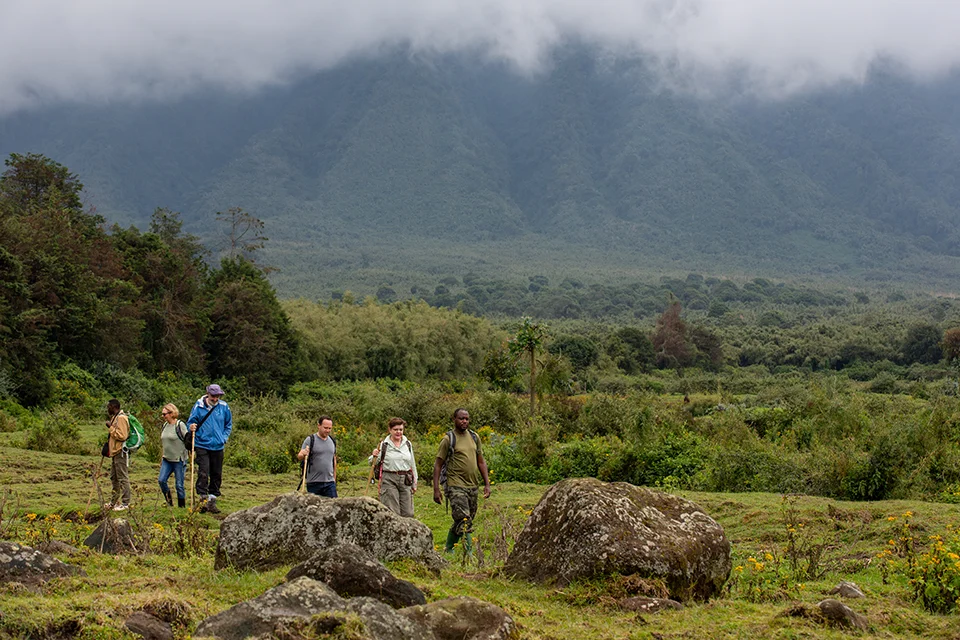
You want reliable logistics, direct international flights and a streamlined experience. Rwanda is the best choice for first-time gorilla trekkers and travellers with limited time.
Choose Uganda if…
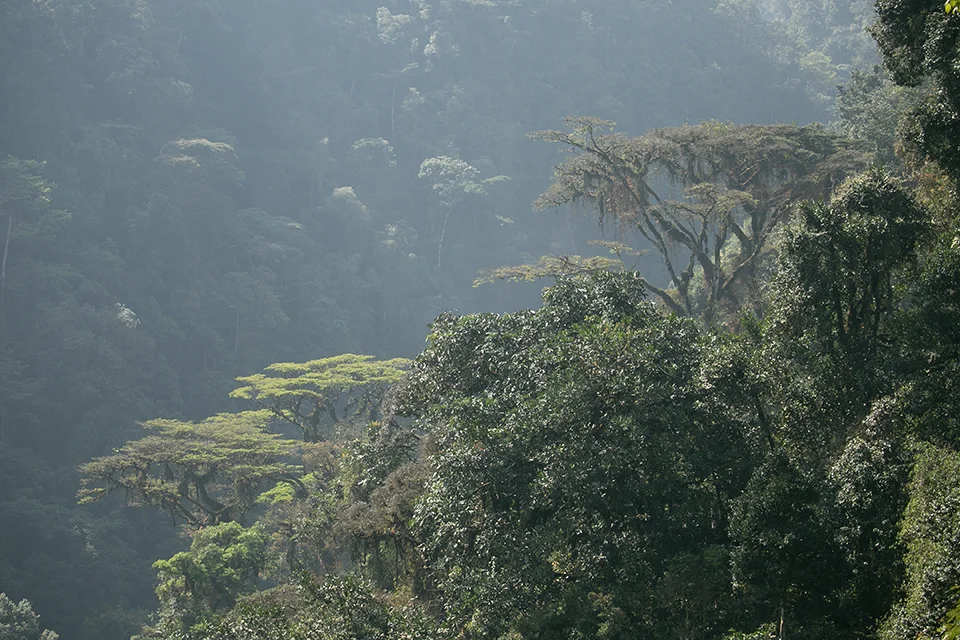
You want lower permit costs, multiple sector options or a broader East African itinerary. Uganda's primate diversity – gorillas, chimpanzees, golden monkeys, colobus – is unmatched in the region.
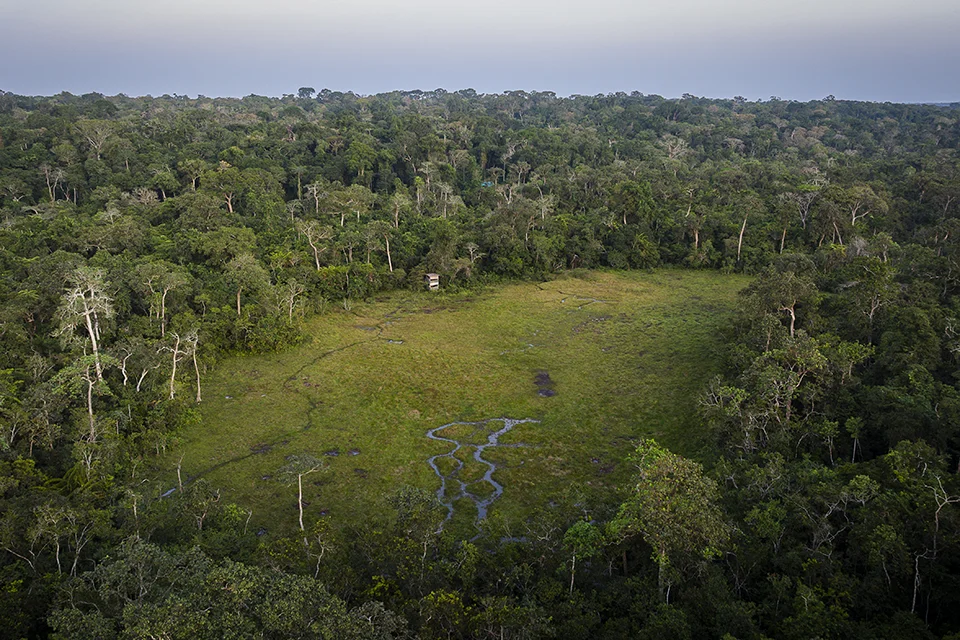
Choose Congo-Brazzaville for a specialist lowland gorilla experience
Odzala-Kokoua is for experienced travellers who want western lowland gorillas or a genuinely remote wildlife encounter. Congo-Brazzaville (the Republic of Congo) is a stable, safe and welcoming country for international visitors. Guests who make the journey consistently describe Odzala-Kokoua as one of the most extraordinary wildlife experiences of their lives.
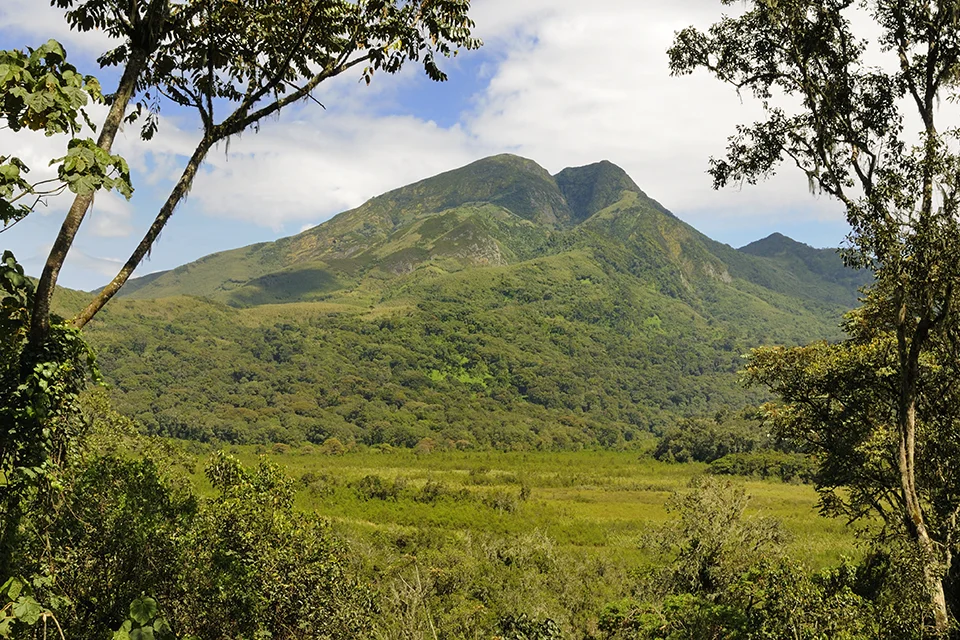
Choose DRC with specialist guidance
Virunga offers access to mountain gorillas and Eastern Lowland Gorillas at a lower permit cost than Rwanda or Uganda. However, travel to eastern DRC should always be considered in the context of prevailing security conditions. Africa Geographic monitors developments closely and will advise whether travel is appropriate at the time of enquiry, based on the latest information available.
Four destinations, two gorilla species
Rwanda and Uganda are the most visited mountain gorilla destinations, with strong infrastructure and stable security.
Congo-Brazzaville's Odzala-Kokoua has western lowland gorillas – a different species to mountain gorillas, a different forest, a very different experience.
Congo-Brazzaville and the DRC are two separate countries with different security situations and different gorilla species. Congo-Brazzaville (the Republic of Congo) is a stable, safe and welcoming country.
The DRC's Virunga National Park has mountain gorillas and Eastern Lowland Gorillas but lies in an active conflict zone – specialist guidance is essential.
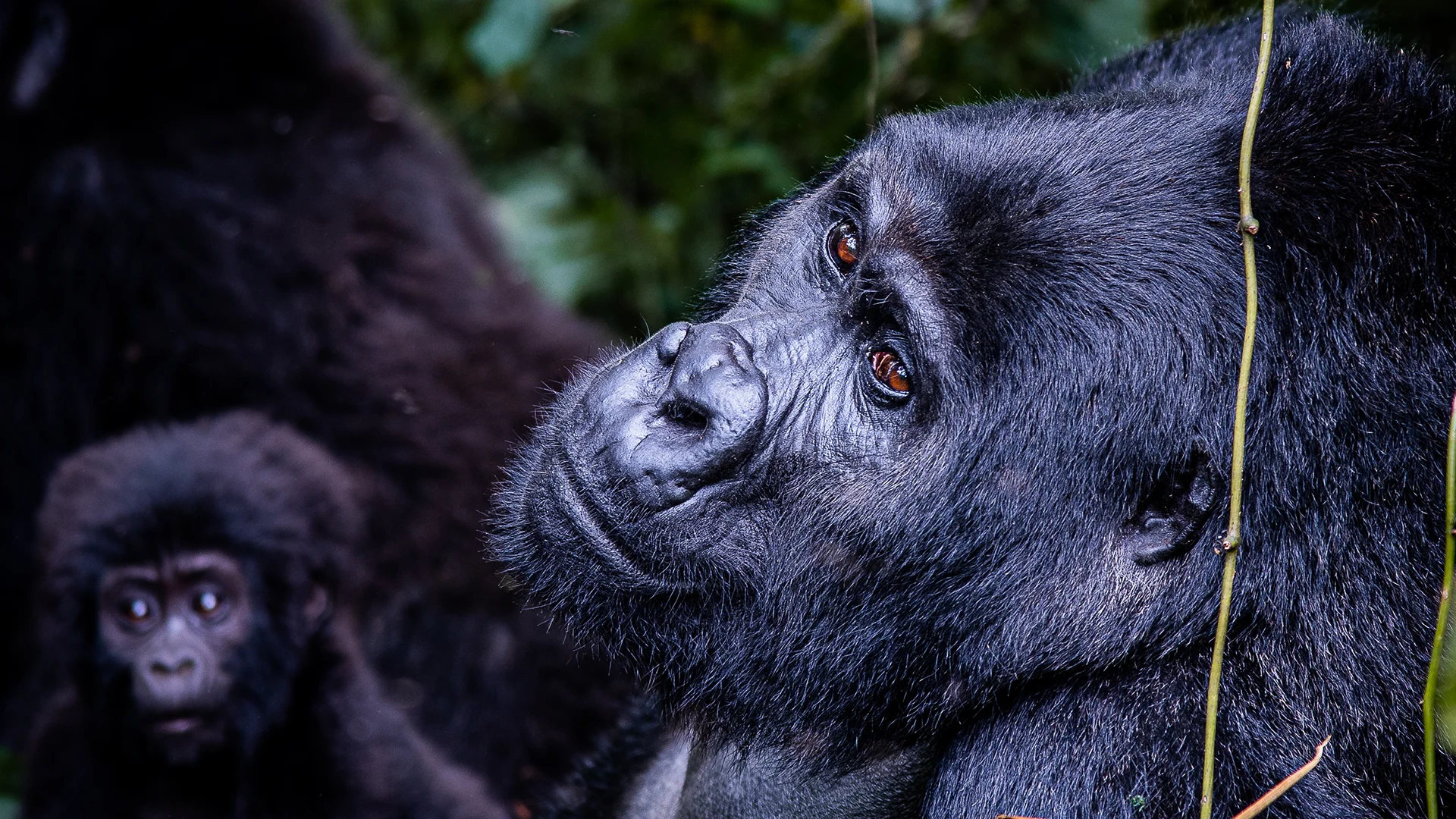
Uganda – the largest mountain gorilla population
Bwindi Impenetrable Forest
Bwindi holds more mountain gorillas than any other single protected area – over 450 individuals across four trekking sectors: Buhoma, Ruhija, Nkuringo and Rushaga. Most sectors are reached by road, though light aircraft to the Bwindi airstrips saves several hours and is worth budgeting for. Bwindi connects well with Kibale Forest and Queen Elizabeth National Park for chimpanzees. Porters are available at all sectors and are recommended for steep terrain.
Mgahinga Gorilla National Park
Uganda's smaller gorilla park sits on the border where Uganda, Rwanda and the DRC meet. Typically one habituated family is available. Mgahinga is the only place in Uganda to track golden monkeys and suits travellers who want a quieter, less-visited experience. Advance booking is essential.
When to go to Uganda
June to August and December to February – driest months, most popular windows.
March to May and October to November – heavier rain, muddier trails.
Year-round trekking is possible; gorillas are habituated regardless of season.
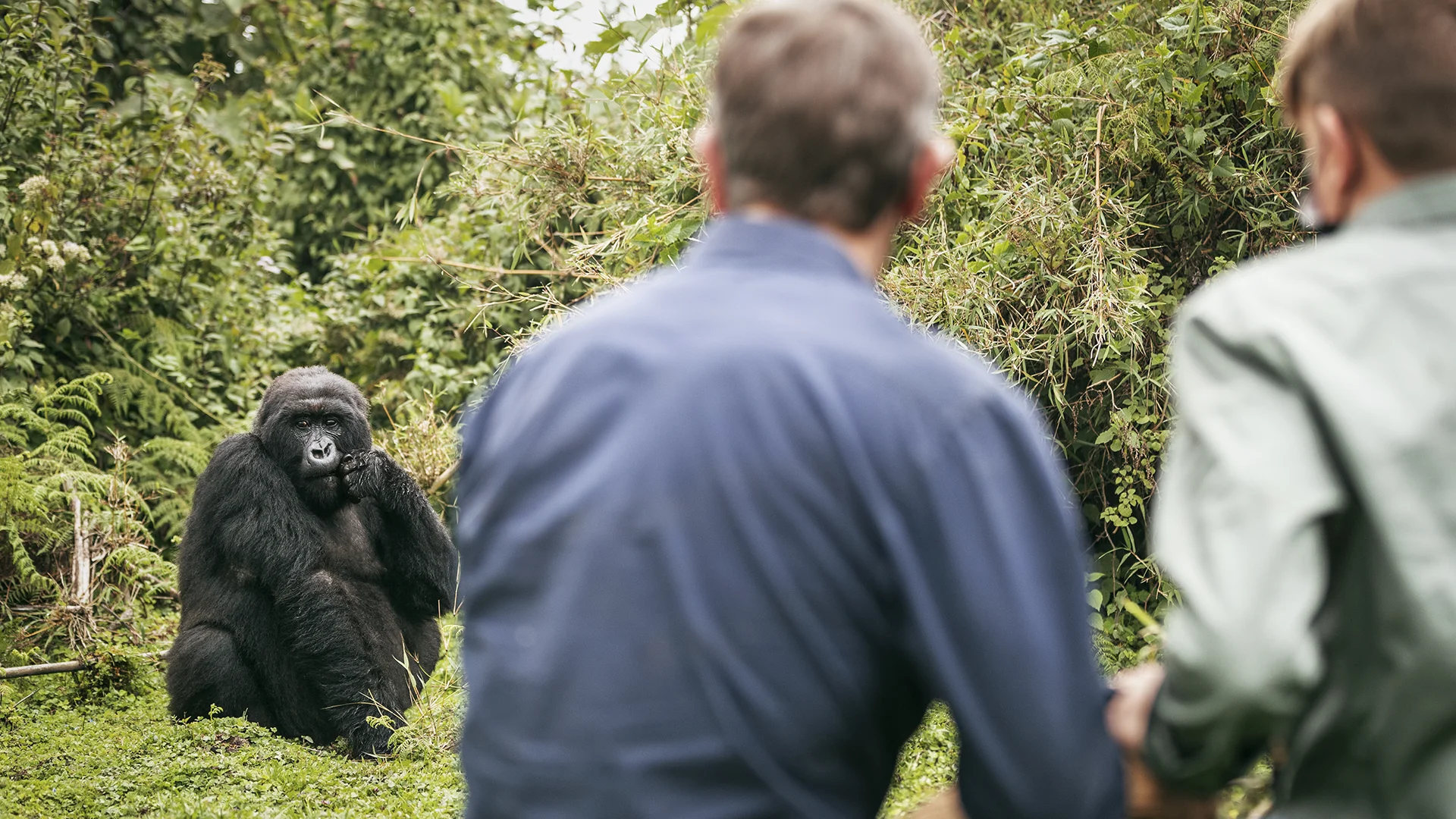
Rwanda – the most accessible mountain gorilla destination
Volcanoes National Park
Volcanoes National Park has 12 habituated gorilla families, each limited to eight trekkers per day. Rwanda's permit is the most expensive – a deliberate low-volume, high-conservation policy. The park is 2–3 hours from Kigali International Airport, which has direct flights to London, Amsterdam, Brussels and Nairobi. This makes Rwanda the simplest logistical choice for travellers with limited time. Rwanda pairs naturally with Akagera National Park for Big 5 game drives or Nyungwe Forest for chimpanzees.
When to go to Rwanda
June to September – primary dry season, most in-demand permits.
December to February – shorter dry window, good availability.
Book 6–12 months ahead for peak season dates.
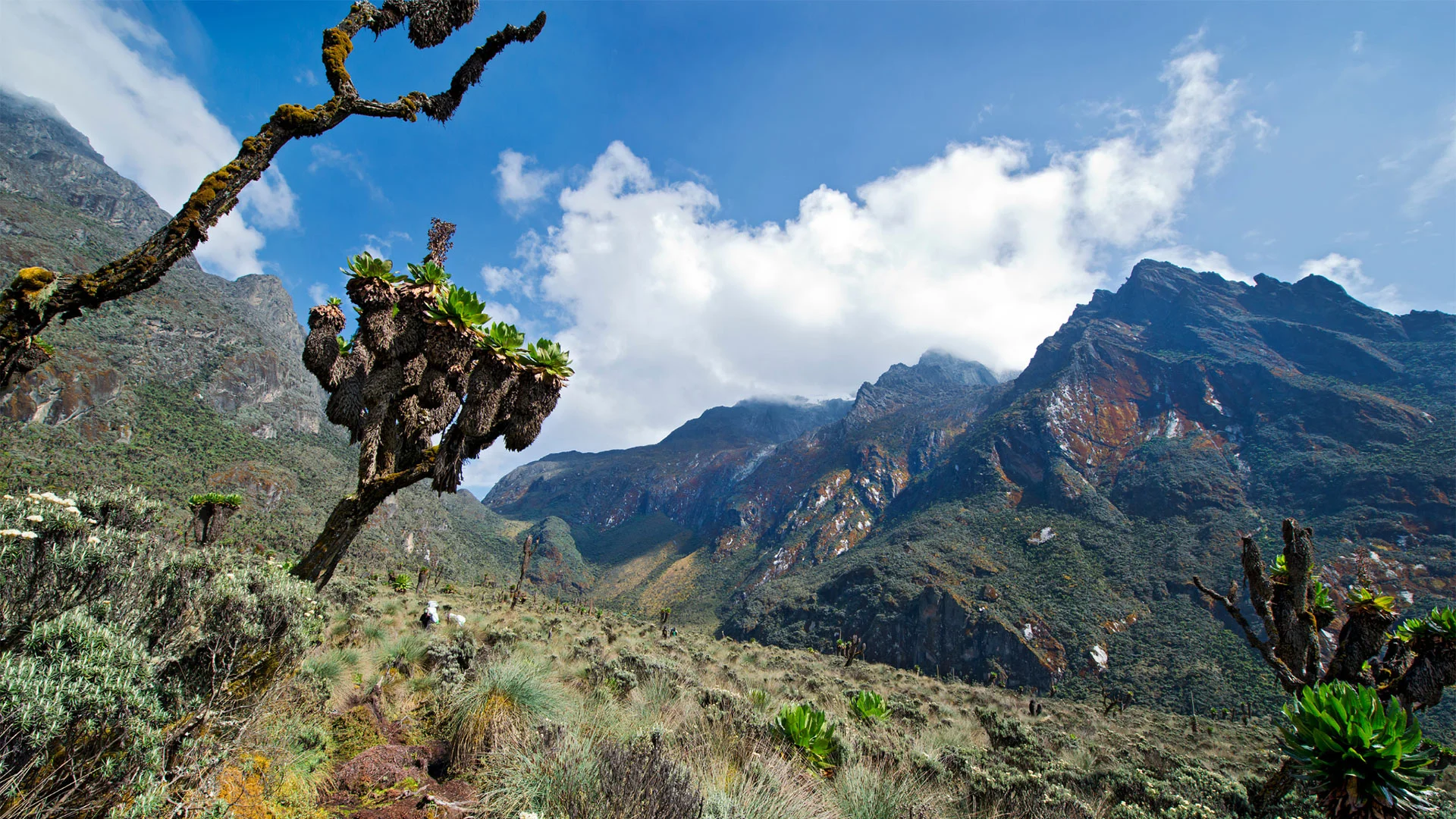
Congo-Brazzaville – western lowland gorillas at Odzala-Kokoua
The Republic of Congo (Congo-Brazzaville) is a separate, politically stable country. It is not in a conflict zone. Odzala-Kokoua National Park – over 13,000 sq km of Congo Basin rainforest – is its primary gorilla destination. The gorillas here are western lowland gorillas (Gorilla gorilla gorilla): smaller than mountain gorillas, with shorter, browner coats, living in lowland equatorial forest rather than high-altitude montane habitat. The encounter is different – tracking through dense equatorial forest, with forest clearings (bais) offering sightings of forest elephants, bongo, sitatunga and other primates. Access is by light aircraft from Brazzaville or Pointe-Noire only. This is a remote, specialist destination for experienced travellers.
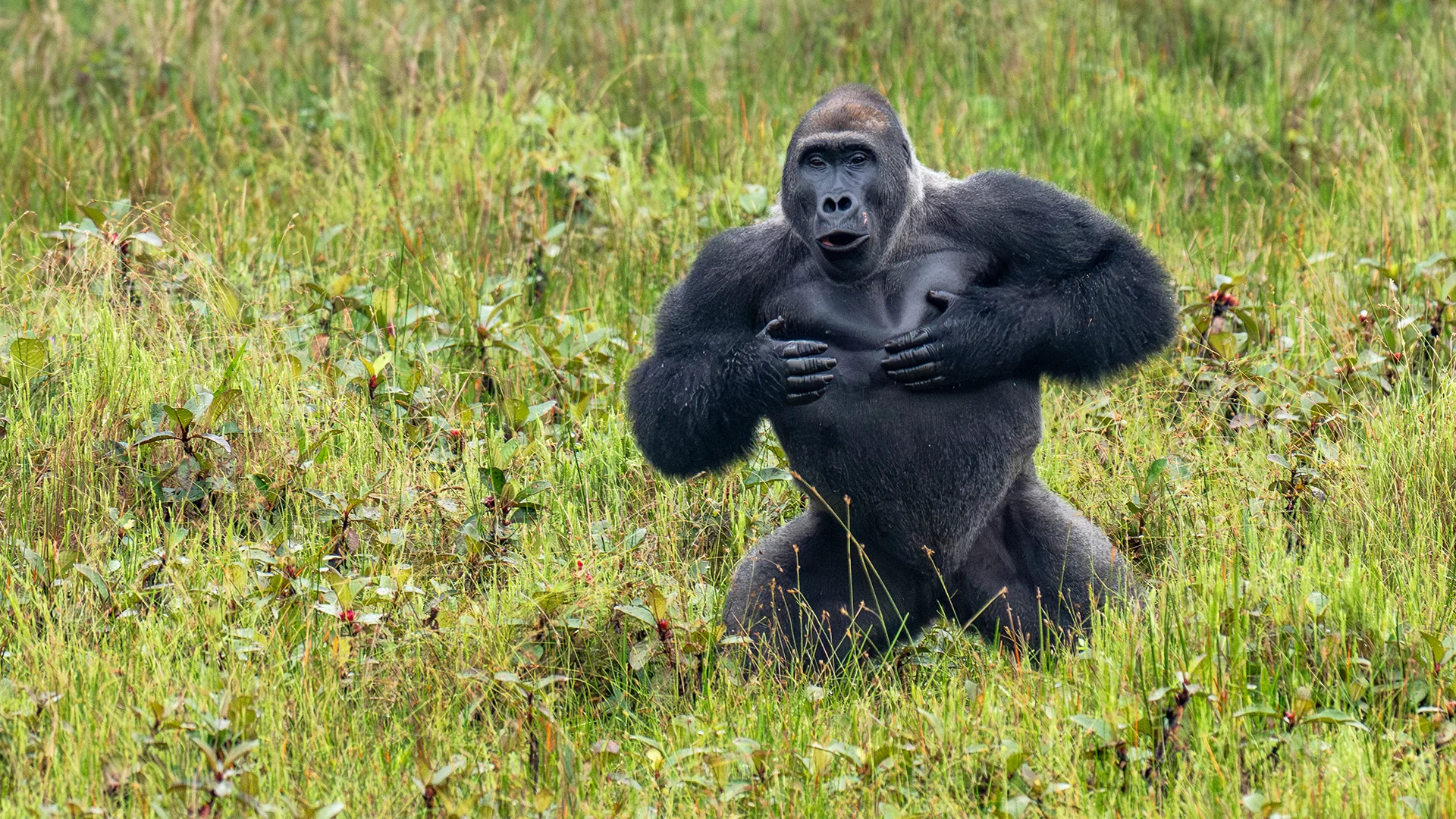
DRC – Virunga and the security question
Virunga National Park is Africa's oldest national park, sharing the Virunga Massif ecosystem with Rwanda and Uganda. The eastern DRC has experienced active armed conflict for decades, and North Kivu province – where Virunga is located – remains designated high-risk by the UK FCDO, US State Department and Australian DFAT. Trekking is possible when the park is open, but requires a specialist operator with current security intelligence, insurance covering conflict zones, and genuine flexibility for last-minute cancellation. Africa Geographic strongly recommends consulting a specialist before booking any DRC travel.
Wish you were here?
Frequently asked questions
Wild gorillas can be trekked in four destinations across East and Central Africa. Mountain gorillas, a subspecies of Eastern gorillas, live in Volcanoes National Park (Rwanda), Bwindi and Mgahinga (Uganda), and Virunga National Park (DRC). Western lowland gorillas – a distinct subspecies of Western gorillas – are found at Odzala-Kokoua National Park in the Republic of Congo (Congo-Brazzaville). Rwanda and Uganda are the most accessible and safest options. The DRC carries active conflict risk. Congo-Brazzaville is stable but remote, with light aircraft the only practical access. Kahuzi-Biega has Eastern Lowland gorillas.
For mountain gorillas, Uganda's Bwindi has the largest single-park population (450+) and the lowest permit cost. Rwanda's Volcanoes National Park is the most accessible. For western lowland gorillas, Odzala-Kokoua in Congo-Brazzaville is the primary destination. Kahuzi-Biega has Eastern Lowland gorillas. The best choice depends on gorilla species, budget and how remote you are prepared to go. Learn more
Mountain gorillas (Gorilla beringei beringei), a subspecies of Eastern gorilla, live at high altitudes (2,200–4,300m) in the Virunga Massif and Bwindi. Western lowland gorillas (Gorilla gorilla gorilla), a subspecies of Western gorilla, live in lowland equatorial rainforest and are smaller, with shorter, browner coats. Rwanda, Uganda and the DRC have mountain gorillas. Congo-Brazzaville's Odzala-Kokoua has western lowland gorillas. Mountain gorillas are classified as Endangered, while western lowland gorillas are classified as Critically Endangered.
Rwanda: US$1,500. Uganda: US$800. DRC (Virunga): US$400 (2026). Congo-Brazzaville (Odzala-Kokoua): no standard government permit – costs are included in specialist package rates. Kamba camps charge a trekking fee whereas Camp Imbalanga does not. Permit fees in Rwanda, Uganda and the DRC contribute directly to conservation and community programmes. Verify current figures before booking as these are subject to change.
It depends on which Congo. The Republic of Congo (Congo-Brazzaville) is politically stable and safe for tourism. The Democratic Republic of Congo is a separate country; its eastern region, including Virunga National Park, is designated high-risk due to active armed conflict. The two are frequently confused.
Yes, and for two destinations it is either the best or the only option. Uganda's Bwindi sectors have airstrips; light aircraft from Entebbe saves several hours of road travel. Odzala-Kokoua in Congo-Brazzaville is about 9 - 10 hours drive from Brazzaville. Rwanda's Volcanoes National Park is reached by road from Kigali.
June to August and December to February are the driest and most popular windows in Rwanda and Uganda. Year-round trekking is possible as gorillas are habituated to daily visits. Peak season permits sell out months ahead; book 6–12 months in advance for June to August. Odzala-Kokoua is best visited in the dry season (June to September).
For Rwanda and Uganda, a specialist operator is strongly recommended. Africa Geographic will handle permits, accommodation and logistics for you. For the DRC, working with safari experts is essential, and Africa Geographic will give you the best guidance on whether or not travel is safe here at any given time. For Odzala-Kokoua, Africa Geographic has expertise on the ground and all the relationships required for light aircraft, road transfer and camp bookings. Africa Geographic's consultants have direct experience across all four destinations and will arrange the most seamless and appropriate gorilla-trekking safari for you.
Start planning your dream safari
Our travel experts will craft a no-obligation itinerary just for you. We have crafted over 5,000 safaris since 1991. Your personal details are protected; we only use this information to contact you.
Why book your safari with us?

Deep Experience & Knowledge
Handcrafted experiential safaris since 1991.
Travel in Africa is about knowing when and where to go, and with whom. A few weeks too early/late or a few kilometres off course, and you could miss the greatest show on Earth. And wouldn’t that be a pity?

Trust & Safety

Make A Difference
We donate a portion of the revenue from every safari sold to carefully selected conservation projects that make a significant difference at ground level.
YOUR safari choice does make a difference - thank you!