

Tailor-made safaris. Since 1991



Packing advice for a bush and beach holiday
A safari and beach holiday combines two very different environments in one trip – and packing for both in a single bag is one of the most common planning challenges travellers face. On a bush and beach safari, you're likely to transfer between camps and islands by light aircraft, which means strict weight limits (typically 15kg total, in a soft-sided duffel bag). The good news is that many items do double duty across bush and beach, and most safari camps provide daily laundry, so you need far less than you think. This article covers clothing, footwear, gear, luggage rules, and the specific items that make the transition between game drives and ocean days as straightforward as possible.
Bush and beach safaris we love
A well-planned bush and beach safari balances the intensity of wildlife viewing with true rest and recovery on the coast. Here are three Africa Geographic safaris to consider.
Kruger and Bazaruto bush and beach: Begin in South Africa's Greater Kruger for Big Five game drives, then fly to Bazaruto Archipelago, Mozambique, for snorkelling, dhow sailing, and near-empty beaches. 9 days. View safari →
Maasai Mara and Diani beach safari: Combine Kenya's Maasai Mara with a beach break on Diani's Indian Ocean coast – excellent wildlife viewing followed by Kisite Mpunguti Marine Park snorkelling. 8 days. Explore this safari →
Serengeti calving season and Seychelles: Witness wildebeest calving in Tanzania's southern Serengeti, then fly to the Seychelles for granite islands, pristine reefs, and complete seclusion. 10 days. See this safari →
Practical packing tips from our experts
Use laundry services to pack less
Most safari lodges and island resorts include daily laundry as standard. This means three or four versatile tops and two or three pairs of trousers or shorts are genuinely sufficient for a 10–14 day trip. Packing light is not a compromise – it is the correct approach for bush and beach travel.
Check your specific aircraft before you travel
Weight limits are set by the bush aircraft operator rather than your international airline. Baggage allowances typically range from 15kg to 20kg per person (including hand luggage). The exact allowance depends on the aircraft type, passenger load and operating conditions. Soft-sided bags are usually required. Africa Geographic's safari experts confirm your specific allowance during the booking process and advise on luggage storage options if you're travelling between commercial and light aircraft legs.
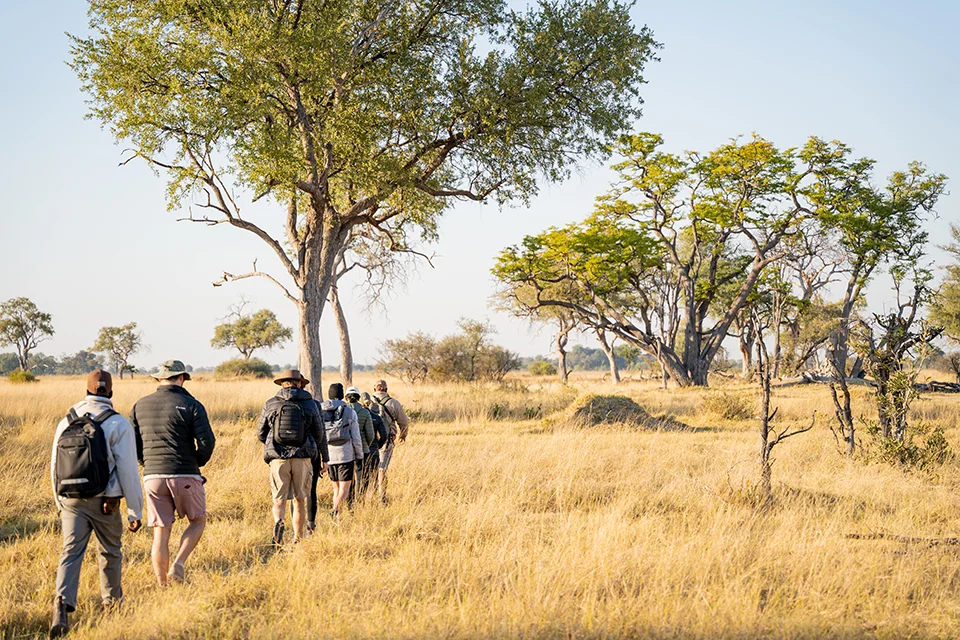
Reef-safe sunscreen is not optional
At destinations such as Bazaruto Archipelago, Seychelles, Zanzibar and Mafia Island, reef ecosystems are protected and chemically harmful sunscreens are either banned or strongly discouraged. Bring reef-safe mineral-based sunscreen (zinc oxide or titanium dioxide) for the ocean portion of your trip. Standard SPF 50+ is fine for game drives.
Photography considerations
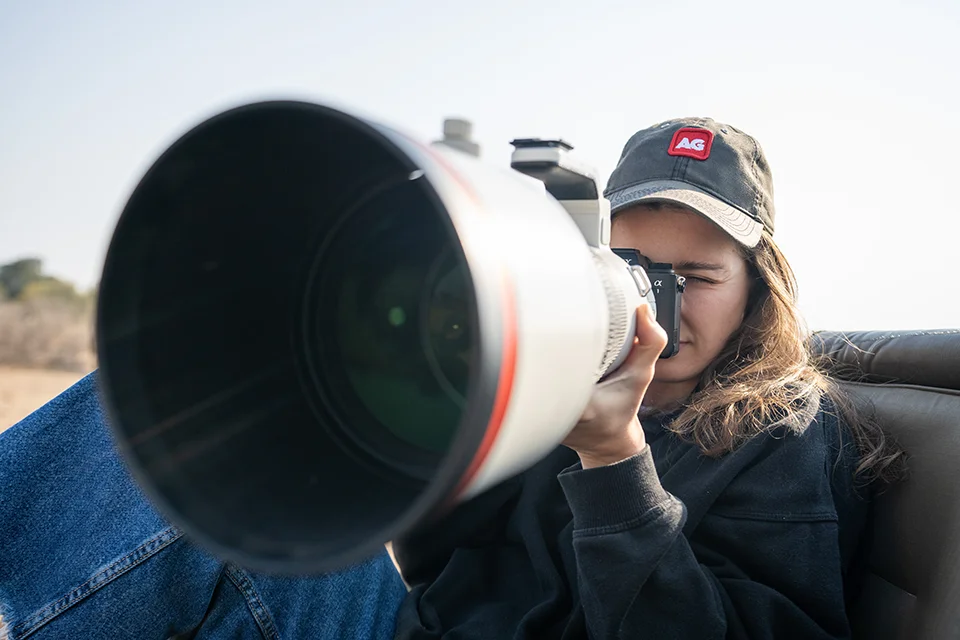
On the bush leg, a camera with a telephoto zoom (such as a 100–400mm or 200–600mm equivalent) makes a material difference to wildlife photography, and a wide or standard lens is used for more scenic shots. On the beach leg, a waterproof compact or a waterproof housing for your phone is more practical than carrying a full camera kit to the water's edge. A dry bag protects your gear on dhow excursions and boat transfers. Read our article on photographic safaris for a full kit breakdown.
What to wear on safari vs on the beach
The two environments have opposite requirements when it comes to colour and coverage. For game drives, muted earth tones – khaki, olive, beige, tan, stone – are standard. Bright colours and white can draw the attention of wildlife and attract insects. For the beach and island stays, those same rules no longer apply: light cottons, bright prints, and reef-safe swimwear are the order of the day.
The key to packing light for both is choosing versatile pieces that move between contexts with a change of colour or layer.
Wish you were here?
The dual-wardrobe approach
Safari essentials
These items are specific to the bush portion of your trip.
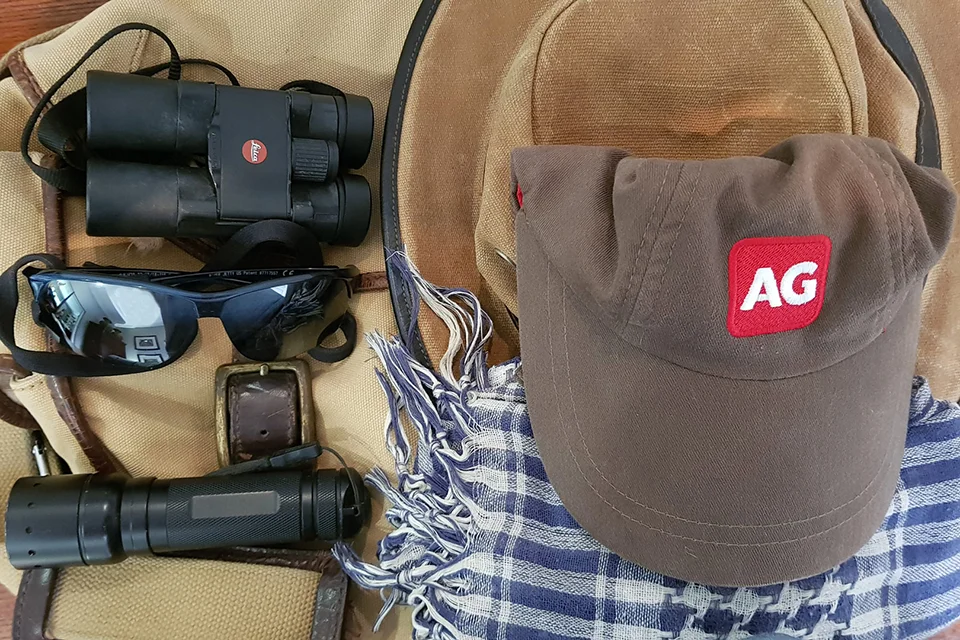
2–3 long-sleeve shirts in neutral tones (khaki, olive, stone)
1–2 lightweight fleece or softshell jacket for cold early mornings
1 pair of safari trousers (convertible zip-off style saves space)
1 pair of shorts for warmer afternoon drives
Closed-toe walking shoes or lightweight trail shoes
Long socks (useful over trouser hems as tick and insect protection)
Wide-brim hat with neck protection
Insect repellent with DEET or picaridin
SPF 50+ sunscreen – reapply during open-vehicle game drives
Neck gaiter or buff for dust on open drives
Binoculars (8x42 or 10x42)
Beach and island essentials
These items carry you through the coastal or island leg. Several double up as safari base layers.
2–3 T-shirts or light cotton tops (can double as casual safari wear)
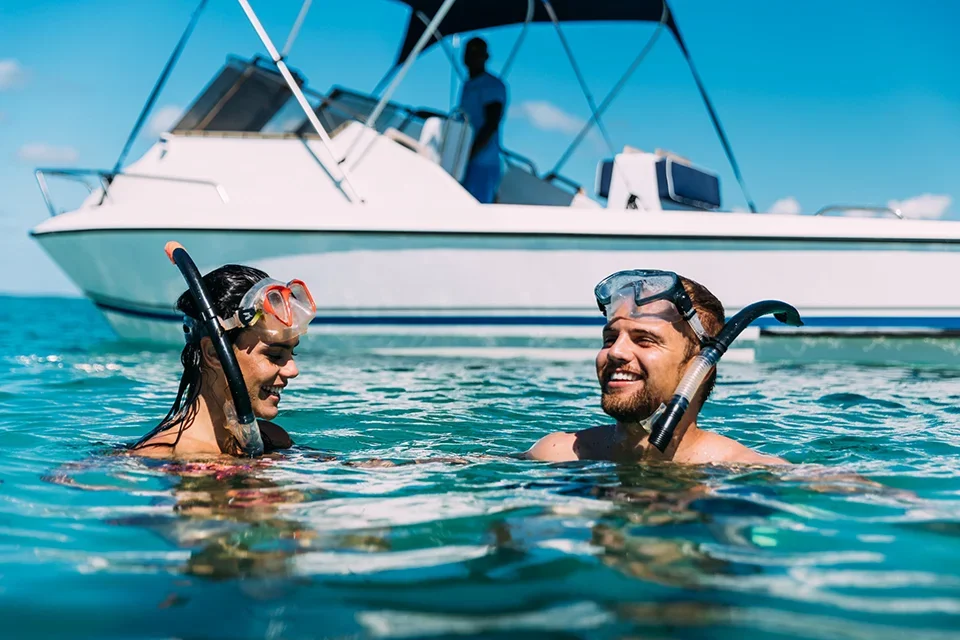
1–2 swimsuits
Lightweight sarong (beach cover-up, picnic blanket, and travel towel)
Sandals – flat and comfortable, suitable for reef walking
Reef-safe sunscreen
After-sun gel or lotion
Water shoes or wetsuit boots if snorkelling over coral
Dry bag for boat transfers and dhow excursions
Items that work for both
These are the core of your packing strategy. Each item earns its weight by serving both environments.
Wide-brim hat (sun protection on drives and on the water)
Lightweight base layers (worn under fleece at dawn, worn alone at the beach)
Quick-dry travel towel (all lodges and beach houses provide towels, but useful as a backup)
Lip balm with SPF
Hydrating skincare (dry bush air, plus coastal sun, wind and salt, can all dry out your skin)
Waterproof phone case or pouch
Universal plug adaptor
Portable power bank
Frequently asked questions
Most bush aircraft transfers allow 15 kg of luggage per person, inclusive of hand luggage. A few allow up to 20kg on larger aircraft. The critical rule is that all bags must be soft-sided – no rigid suitcases or framed backpacks. A soft duffel of 50–70 litres is the standard recommendation. Confirm your specific allowance with Africa Geographic before travel, as limits vary by operator, aircraft type, and destination
A soft-sided duffel bag is the only practical choice for a trip involving light aircraft transfers. Rigid suitcases cannot be stored in bush plane cargo holds. A single soft duffel of 50–70 litres, supplemented by a small daypack, is sufficient for most 10–14 day bush and beach itineraries – particularly if you use lodge laundry services, which are standard at most safari camps and island properties.
Neutral, muted tones are strongly recommended for game drives: khaki, olive, beige, tan, stone, and muted greens. Avoid bright colours (red, yellow, orange, white), which can draw the attention of wildlife and attract insects. Dark colours such as navy and black absorb heat and are not practical in warm conditions. Once you're at the beach, colour restrictions no longer apply – light cotton prints and swimwear are entirely appropriate.
Yes! Chemical sunscreens containing oxybenzone and octinoxate are known to damage coral reefs and are banned or strongly discouraged at many Indian Ocean destinations. Bring a mineral-based reef-safe sunscreen (zinc oxide or titanium dioxide) for the beach portion. Standard SPF 50+ sunscreen is fine for game drives in the bush.
It is possible, particularly on shorter trips (7–10 days), if you plan carefully and use lodge laundry services. The main challenge is footwear – you need closed-toe shoes for the bush and sandals for the beach, which take up significant space. Packing travel-sized toiletries, using quick-dry fabrics, and keeping your camera kit minimal will help. On itineraries with light aircraft transfers, lighter luggage is essentially the default – the weight limit leaves little room for overpacking.
Several items carry full value across both environments: a wide-brim hat (sun protection on game drives and on the water), lightweight long-sleeve tops (warmth at dawn in the bush, sun protection on the beach), a sarong (beach cover, blanket, and towel), sandals that are suitable for both reef walking and camp dinners, SPF lip balm, and a portable power bank. Quick-dry fabrics and neutral-coloured base layers give the most flexibility across both settings.
Three to four tops, two pairs of trousers or shorts, two swimsuits, one warm layer, and one light jacket are sufficient for most 10-day trips. Safari lodges typically offer daily laundry, and island resorts usually do too. The limiting factor is not how many days you're away but how many transfers you'll make on light aircraft, which constrains your total bag weight rather than the number of items you bring.
For game drives, a camera with a telephoto lens (minimum 300mm, ideally 400mm or longer) is the most important piece of kit. A mirrorless camera body with a 100–400mm zoom is a good balance of quality and portability. For the beach leg, a waterproof compact camera or a waterproof housing for your phone is more practical than carrying a full kit to the water. A dry bag protects all gear on dhow excursions and boat transfers between islands.
Start planning your dream safari
Our travel experts will craft a no-obligation itinerary just for you. We have crafted over 5,000 safaris since 1991. Your personal details are protected; we only use this information to contact you.
Why book your safari with us?

Deep Experience & Knowledge
Handcrafted experiential safaris since 1991.
Travel in Africa is about knowing when and where to go, and with whom. A few weeks too early/late or a few kilometres off course, and you could miss the greatest show on Earth. And wouldn’t that be a pity?

Trust & Safety

Make A Difference
We donate a portion of the revenue from every safari sold to carefully selected conservation projects that make a significant difference at ground level.
YOUR safari choice does make a difference - thank you!