

Tailor-made safaris. Since 1991

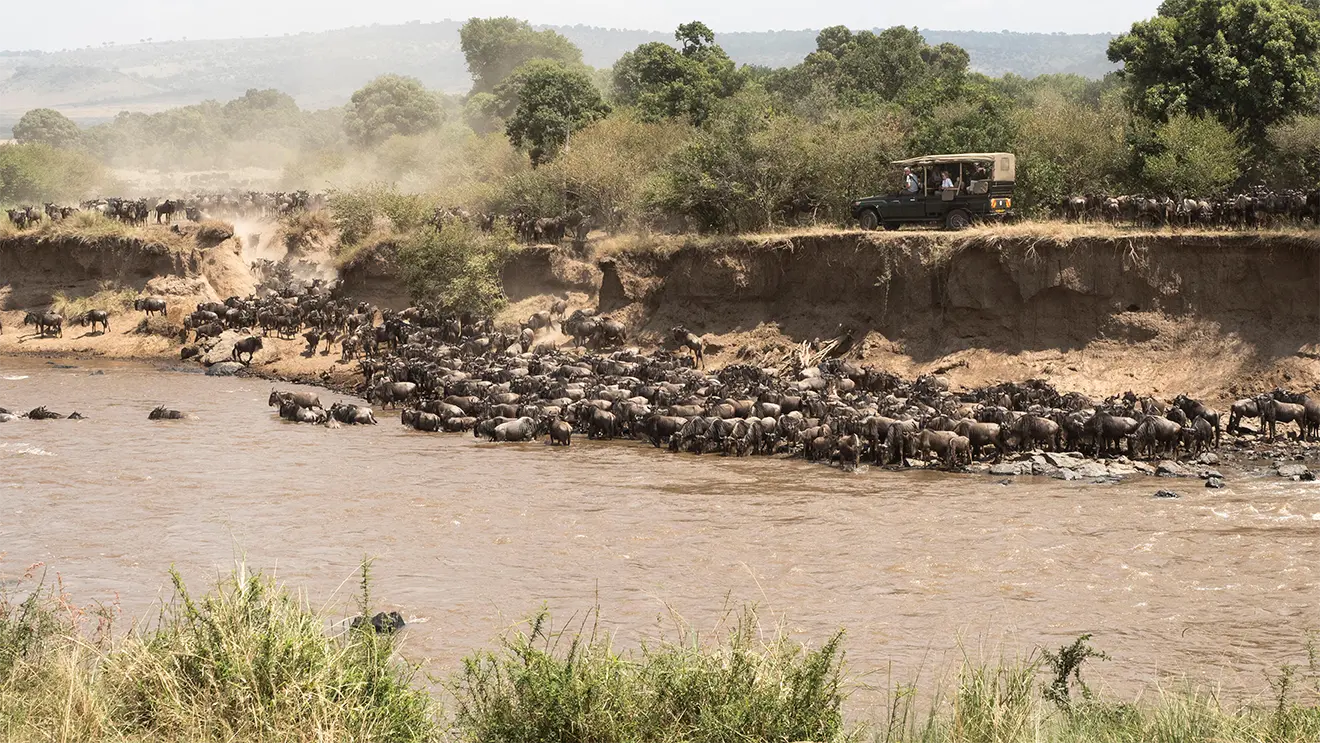
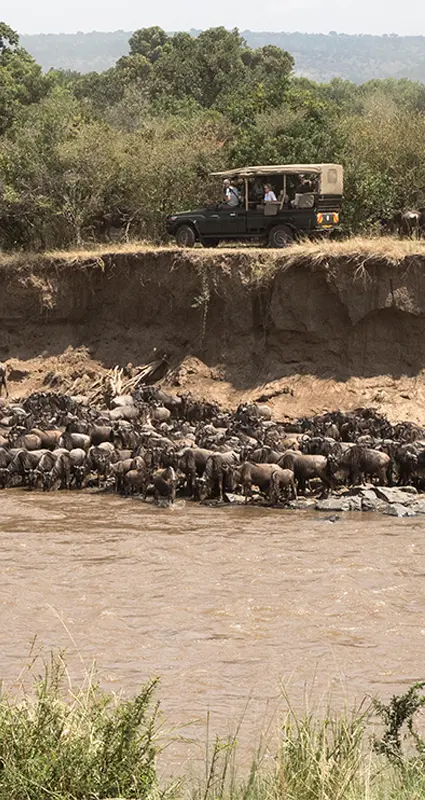


Planning a Great Wildebeest Migration safari requires more than just booking flights and lodges. Migration safaris require early booking, strategic accommodation choices in the right location, realistic expectations, and diversified itineraries. With over-tourism threatening this natural wonder and expectations often misaligned with reality, insider knowledge is key.
10 safari expert tips to plan your Great Migration safari
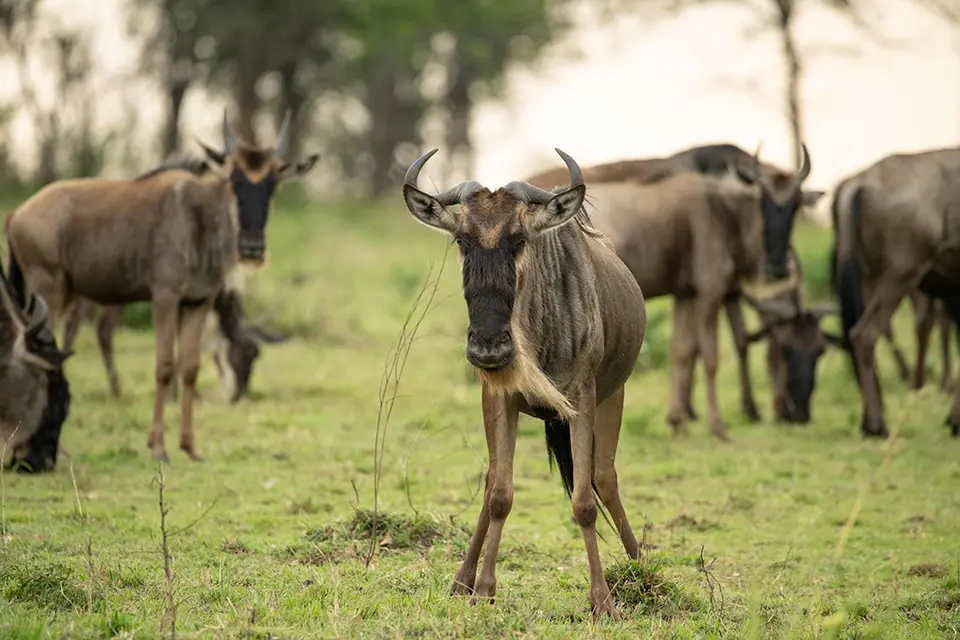
1. Set realistic expectations before you book
"Try to avoid focusing 100% on the migration," advises Linda Fox, Africa Geographic safari expert. "If you come solely to see river crossings and then they don't take place in the time that you're there, it can be very disappointing."
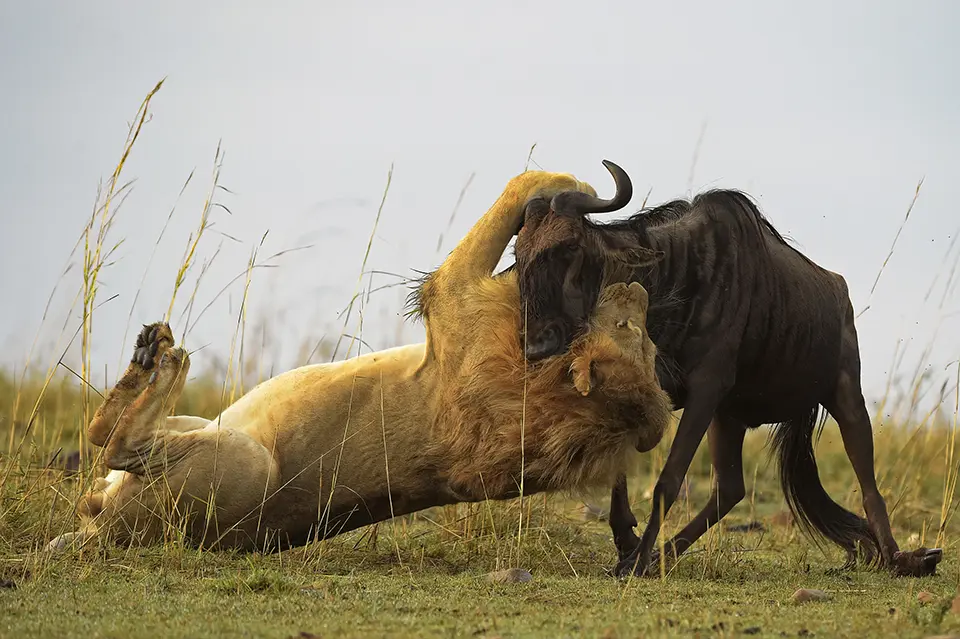
River crossings are unpredictable, often brutal, and increasingly overcrowded. They're also not the only – or the best – part of the migration experience. Its wonder lies in the magnitude of life: thousands of wildebeest stretching to the horizon, the sound of hooves on earth, predators shadowing the herds.
“The Great Migration is not only about the dramatic river crossings on the Mara River in the Northern Serengeti and Maasai Mara,” says Stefan Winterboer, Africa Geographic safari expert. “It is a year-round phenomenon – an annual cycle unfolding across the Serengeti ecosystem. You can witness the Migration on any day of the year; only its location shifts with the seasons.”
Before you invest in a migration-focused safari, ask yourself: “Will I be satisfied experiencing the herds without a crossing?” If the answer is no, read tip #4 carefully. Read stories here of real first person experiences of the Great Migration.
2. Book 12–18 months ahead for peak season
For August to October – the prime Mara River crossing months – book at least 12–18 months in advance to secure the best lodges and avoid premium pricing. Peak season camps fill up quickly, and waiting means paying more for less desirable properties.
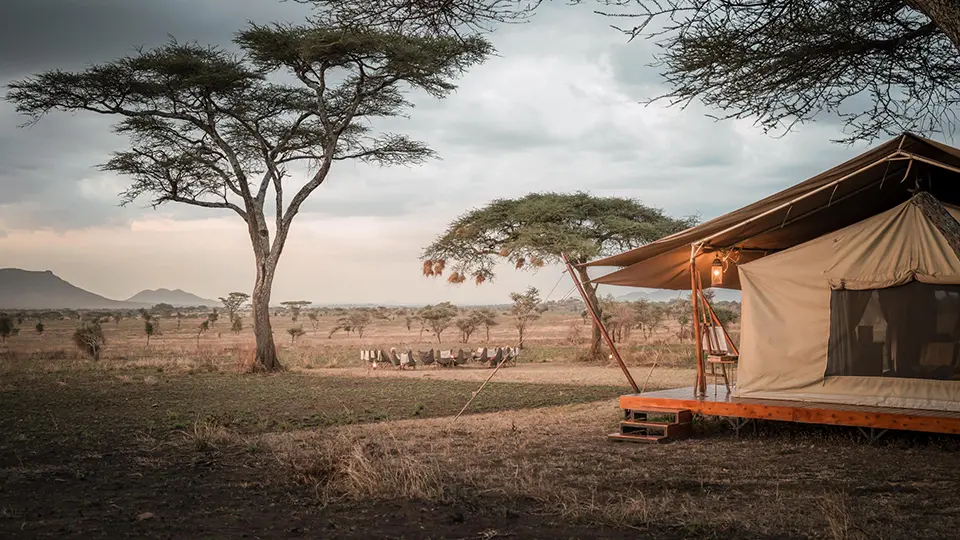
3. Choose your accommodation strategically
Location is enormously important – you don't want to spend three hours a day bouncing along in a vehicle before you even reach the herds.
HOT TIP
Conservation credentials matter: Not all camps contribute equally to conservation. Some genuinely invest in wildlife protection, land conservation, and local communities. Others are little more than roadside hotels. We'll help you choose camps that support conservation and employ local people.
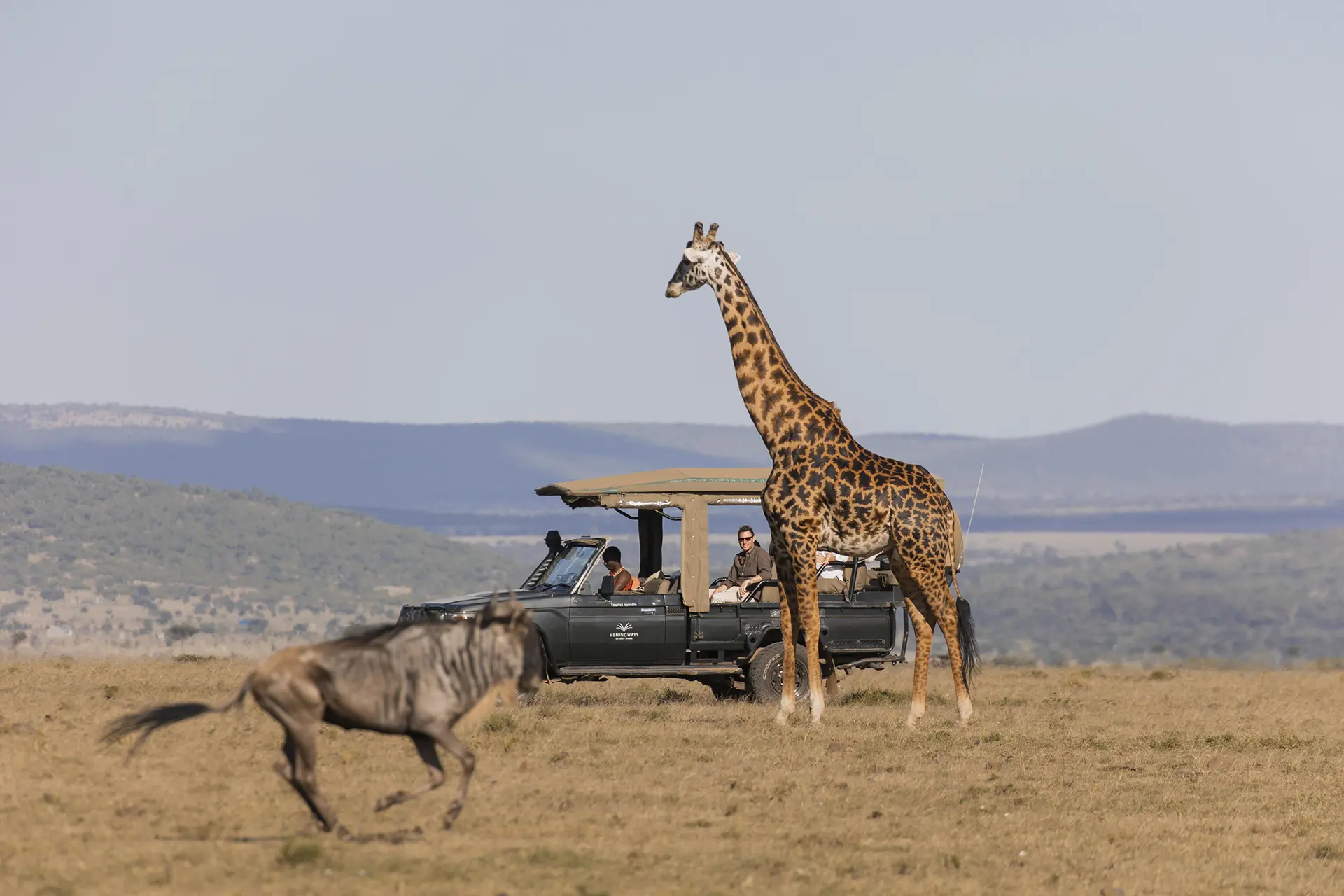
4. Book a private vehicle when seeking river crossings
If witnessing a river crossing is non-negotiable, book at least three nights at a lodge with easy river access, with a private vehicle. Position these nights at the end of your safari, after you've enjoyed other Big Five sightings.
"A private vehicle allows you to stay for eight hours at the river or return to camp if you're tired," explains Luis Gama, one of Africa Geographic's safari experts. "Shared vehicles will be led by consensus, and you may miss your chance to see a river crossing."
Some travellers attempt to combine the best of both worlds – basing themselves in a conservancy for crowd-free game viewing while making targeted day trips into the reserves for crossing attempts. But our experts are candid about the trade-offs involved before you commit.
Expert insight: "If you are staying too far from the river, transfers can be long, rest stops are few and far between, and you can end up stuck in dust behind a line of vehicles for miles. My advice is to commit to one or the other – stay close to the river if crossings are the goal, or move to the conservancies for fewer crowds and richer activities. The hybrid rarely satisfies both ambitions," explains Stefan Winterboer, Africa Geographic safari expert.
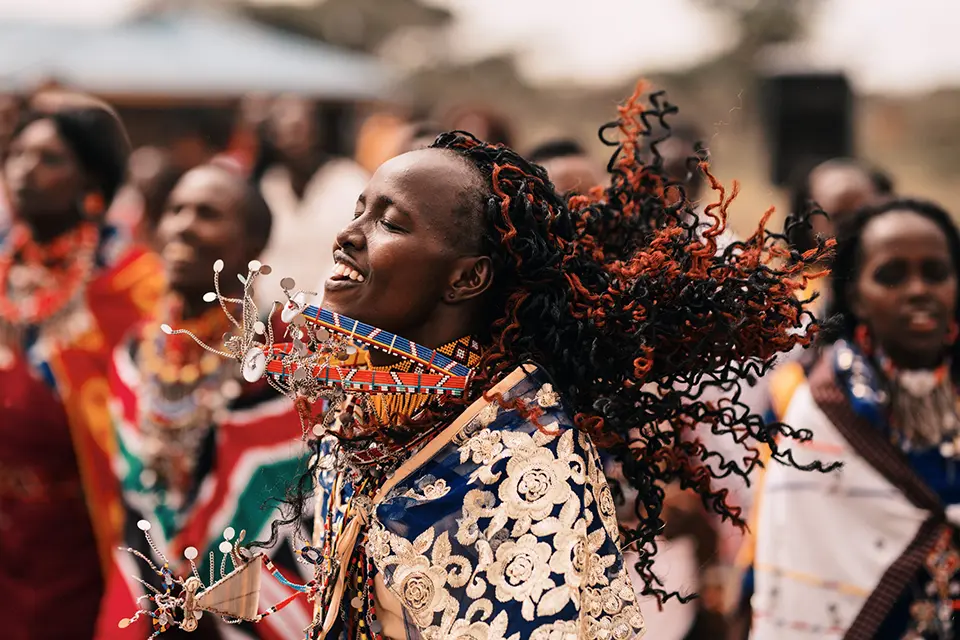
5. Diversify your itinerary beyond the migration
"Cover other parks and areas so you guarantee a rounded wildlife experience, even if you are focused on the migration," advises Ramona Rubach, Africa Geographic’s consultant team lead and a safari expert with 20 years of experience.
First-time East Africa visitors: Consider two nights in Arusha as a base for Kilimanjaro and coffee farm visits, then the Central or Southern Serengeti, finishing in the Northern Serengeti or crossing into the Maasai Mara. Another option is starting with two nights in Nairobi, including visits to the Sheldrick Wildlife Trust, Giraffe Centre, and Karen Blixen Museum. "It puts your whole safari into context," explains Ramona. From there, head to Laikipia for diverse activities (walking, cycling, horse riding) before finishing in the Maasai Mara for intense wildlife viewing.
6. Pack for extreme conditions
Migration safaris involve dust, early mornings, and potentially long hours waiting by rivers or following the herds. Pack strategically:
Essentials:
Neutral-coloured clothing (beige, khaki, olive – avoid bright colours, blue, and black)
Wide-brimmed hat, and long-sleeved shirts, bring a high-SPF sunscreen along
Quality dust mask or buff (for dust)
Binoculars (10x42 recommended)
Portable phone charger
Anti-malaria medication (consult your doctor) and comprehensive travel insurance
7. Prepare for health and logistics
Vaccinations: Yellow fever vaccinations are required for entry to Kenya and Tanzania if arriving from endemic countries. Recommended vaccinations include hepatitis A and B, typhoid, and tetanus. Consult your doctor 6–8 weeks before departure.
Malaria prophylaxis: Recommended for both Kenya and Tanzania. Consult your doctor on this point. Combine with insect repellent and long sleeves at dawn/dusk.
Visas: Kenya and Tanzania both offer e-visas typically processed within 7–10 days. If visiting both countries, check whether you need single or multiple-entry visas.
Fitness level: Long hours in game drive vehicles can be challenging for those with back problems. Conservancy stays offering walking safaris require moderate fitness.
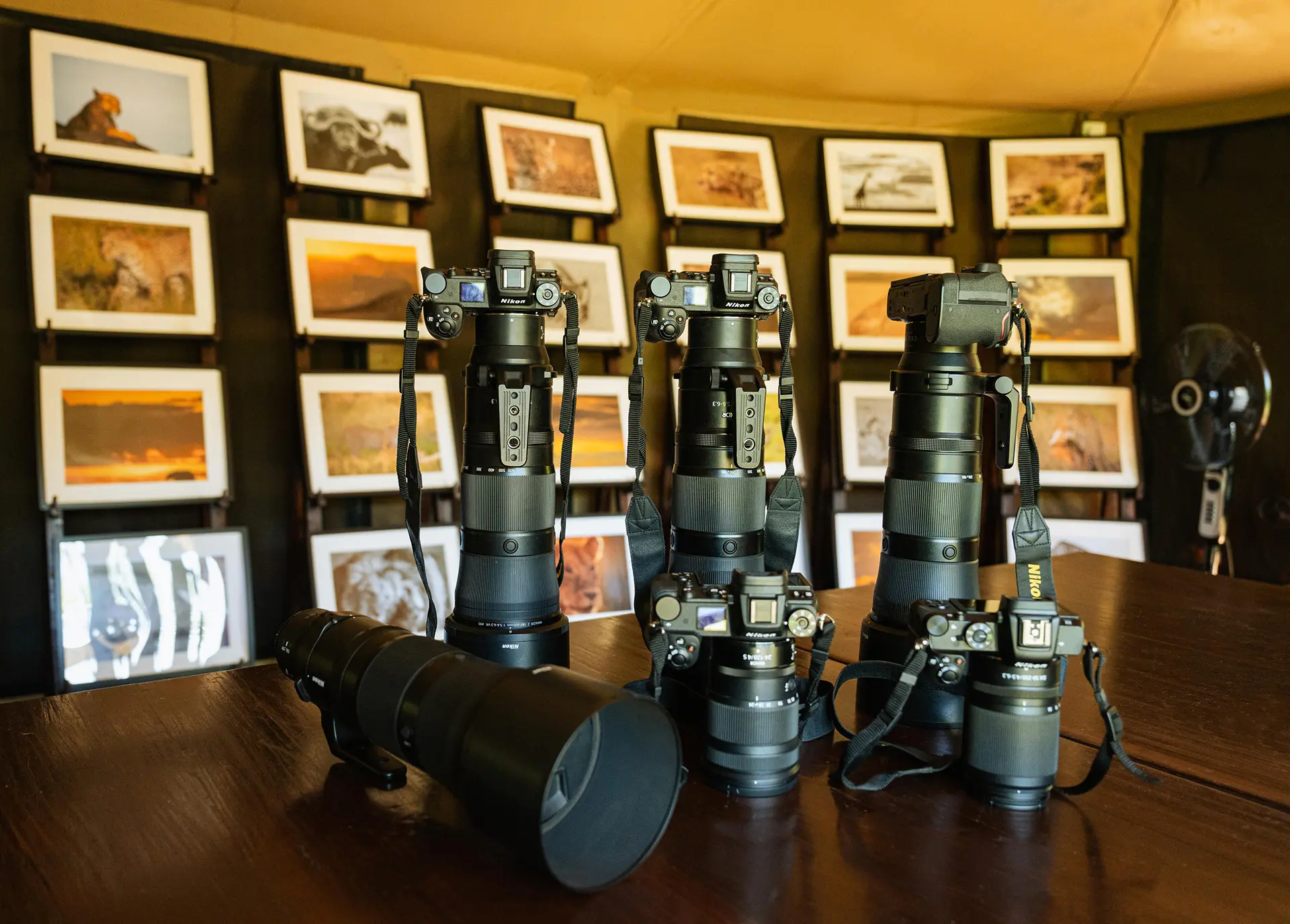
8. Time your photography for optimal results
If photography is a priority, consider these timing specifics to capture the full breadth of the migration cycle:
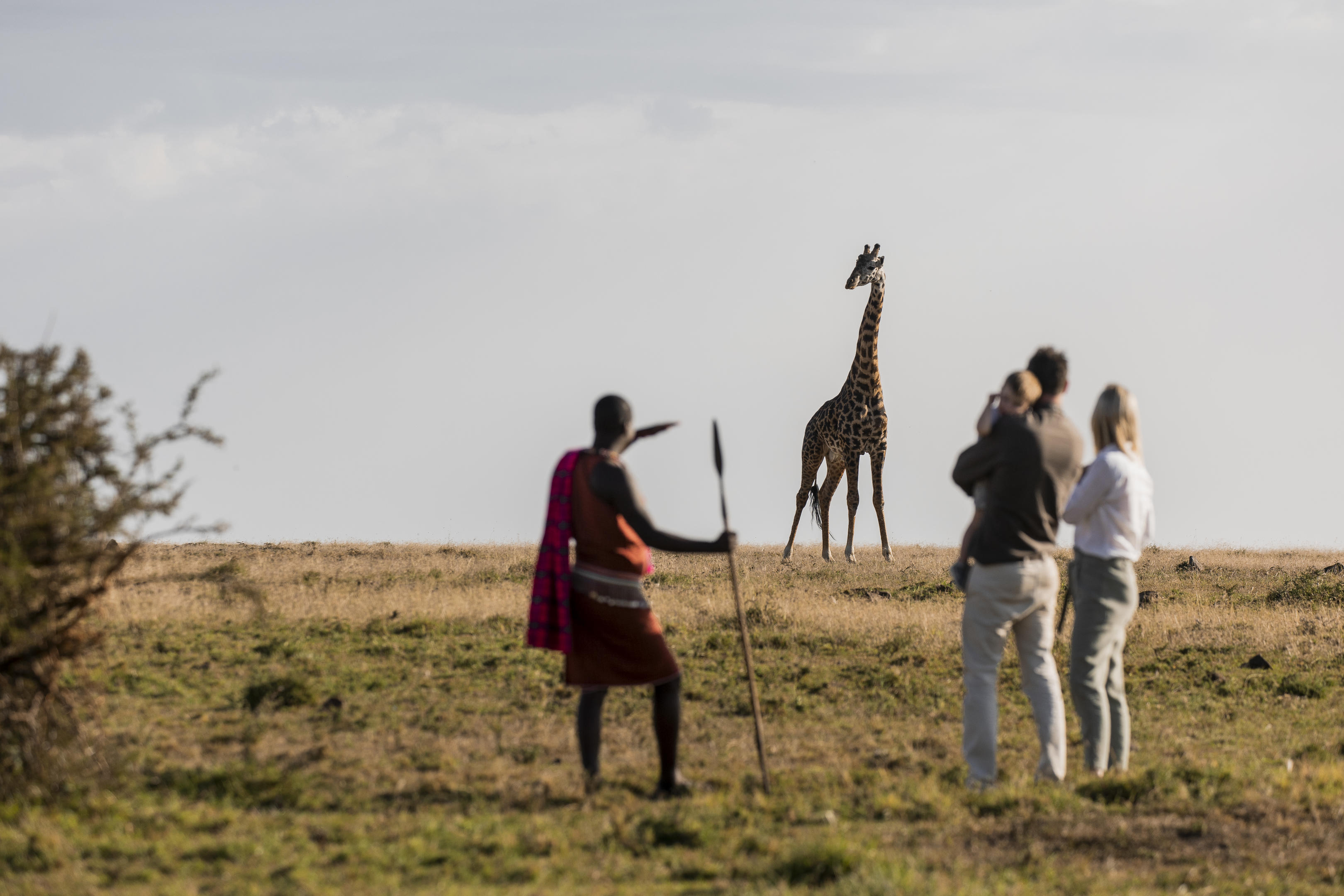
February–March in Tanzania’s Southern Serengeti (calving season): On the nutrient-rich plains of Ndutu, up to 8,000 calves are born daily – typically at midday. This “Green Season” offers vibrant, lush backdrops and intense predator action as big cats target the newborns.
Expert Note: This is a peak season for the region. The “intimacy” lies in your proximity to the wildlife, not a lack of other travellers.
May–June in the Western Corridor (the trek): Atmospheric herd shots. This period offers excellent opportunities to capture the migration in motion as the herds funnel north. Expect long lines of wildebeest stretching across the horizon, often framed by the dramatic storm clouds of the long rains and golden light. This is also the rut (mating season), providing dynamic behavioural shots.
August–October in the Northern Serengeti & Maasai Mara (river crossings): High-stakes drama. This period offers the highest likelihood of river crossings in both the Northern Serengeti (Tanzania) and the Maasai Mara (Kenya). Be prepared for "chaos" – both in the water and on the banks.
Expert note: These sightings are synonymous with high tourist volumes. To get the best angles, position yourself early (pre-dawn) and be prepared for hours of waiting; patience is the only way to capture the moment without contributing to the congestion
9. Practice responsible tourism
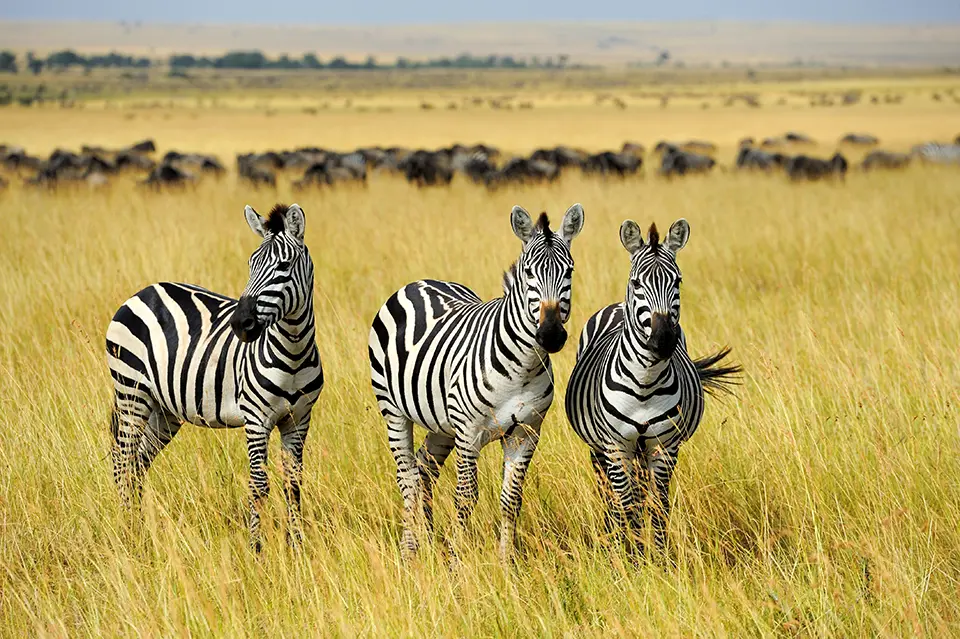
The Great Migration is under increasing pressure from over-tourism. As a guest, your choices matter:
Choose ethical operators: Select companies that prioritise conservation, employ and train local people, and actively invest in wildlife protection. Africa Geographic partners with camps that support conservation efforts and local communities.
Set expectations with guides: Make clear at the start of your trip that tips will be based on knowledge, interpretation, and respect for wildlife – not reckless driving or forcing proximity at crossings. "Guides should be rewarded for their patience, knowledge, and ethics, not for taking risks," explains safari guide Adam Bannister.
10. Consider family appropriateness carefully
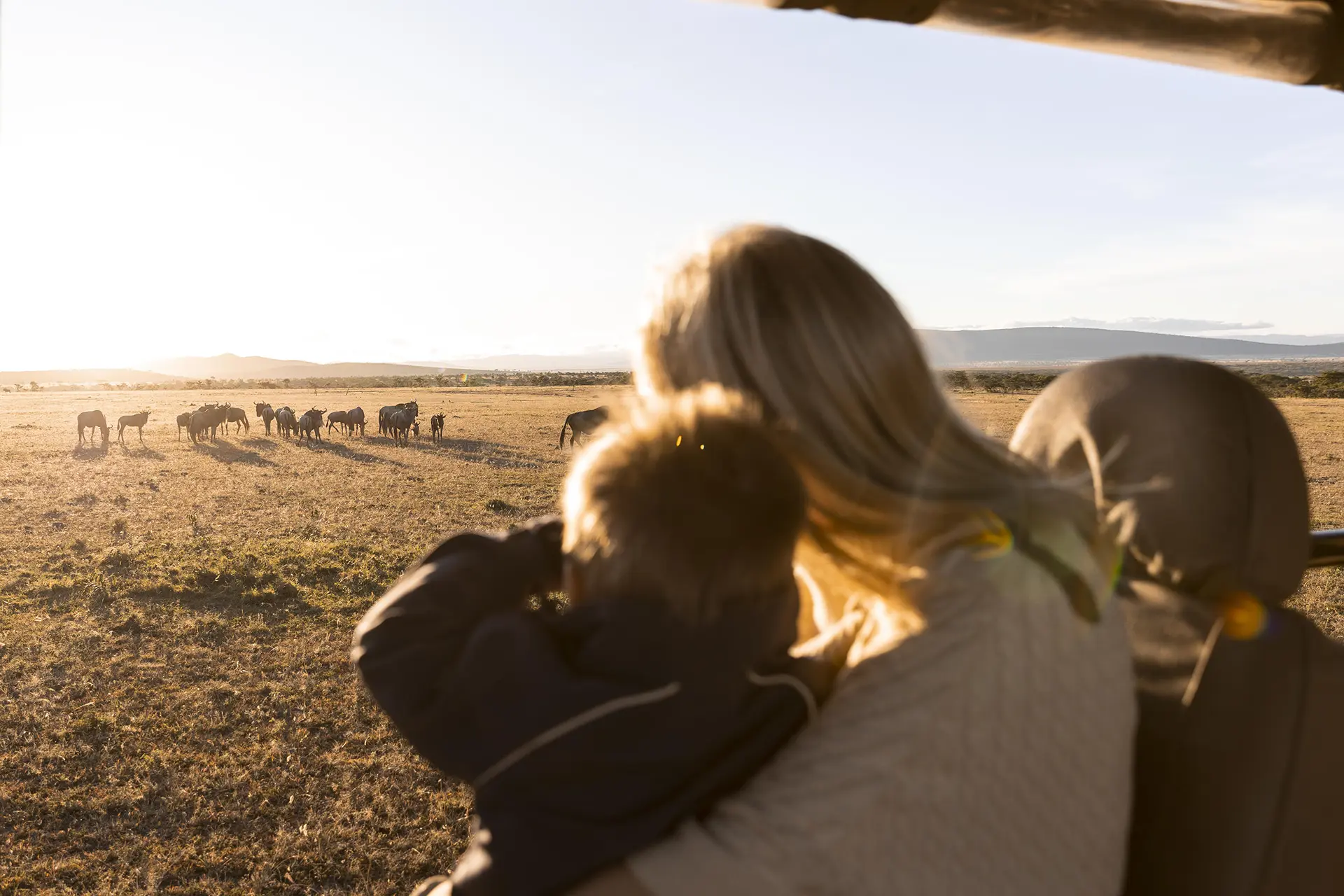
Great Migration safaris can be transformative family experiences, but require careful consideration:
Age recommendations: Children under 8 may struggle with long game drives (often 4–6 hours) and early wake-ups (5:30am starts are standard).
River crossing concerns: These events can be traumatic for sensitive children due to injured animals, visible deaths, carcasses, and predation. "Be prepared – it's brutal, raw and emotionally intense," warns Ramona. Consider limiting young children to herd viewing away from crossing points.
Private vehicle advantages: For families, private vehicles are almost essential. Children need flexibility for toilet breaks, snacks, and shorter game drives without impacting other guests.
Alternative activities: Choose camps offering family-friendly activities like cultural visits, or junior ranger programmes. Conservancy properties typically offer more diverse activities.
Handcrafting your
Great Migration safari
You can have a tailor-made Great Migration safari planned by experts who are more than travel agents: they're passionate conservationists and storytellers who create magical moments you'll treasure forever.
When you choose to embark on a Great Migration safari, you’re investing in the trip of a lifetime. Let us make it flawless.
Frequently asked questions about the Great Migration
It depends entirely on when you plan to travel – and this is where understanding the full migration story matters.
The Great Migration is a Tanzanian event for twelve months of the year, with herds moving through vast areas of the Serengeti ecosystem. Between February and March, the southern Serengeti hosts the calving season – one of the migration's most remarkable and often overlooked chapters, when hundreds of thousands of wildebeest calves are born in a matter of weeks. Between May and July, the herds push north through the central and western Serengeti corridors toward the Grumeti River – spectacular in their own right, and largely crowd-free. From around July, the herds approach the Mara River region on the Kenya–Tanzania border, where crossings become possible through to October.
So the answer is: your travel dates should drive your destination, not the other way around. If you're set on river crossings, plan for August to October – and note that this is the one window where Kenya's Maasai Mara becomes a compelling option, as the herds spill across the border. For the calving season or the Grumeti corridor, Tanzania's Serengeti is your destination.
The migration is complex and unpredictable. As specialist African safari experts since 1991, we monitor herd movements in real-time and can adjust itineraries when needed. The small price premium is worth the expertise and problem-solving when things don't go to plan.
August to October offers peak probability, but there are never guarantees. Some visitors visit for a week without witnessing a single crossing.
This is why diversifying your itinerary is crucial. With proper planning, you'll still experience vast herds, intense predator action, the Big Five, and extraordinary landscapes. Many travellers report that experiencing the herds themselves – watching family groups mill and graze across endless plains – proved more moving than the river crossings they'd anticipated.
The months with the absolute lowest visitor numbers are generally April and May (during the "long rains") and November (the "short rains"). However, if you are looking for the best balance of excellent wildlife viewing and fewer crowds, consider March, early June, and early December.
It is important to distinguish between the two countries:
• Tanzania: February and March are peak season in the Southern Serengeti for wildebeest calving. If you want to avoid crowds in Tanzania, avoid February and March, the festive season (mid-December to mid-January), and the river crossing season (August to October).
• Kenya: In contrast, February is part of the "Secret Season" in the Maasai Mara. While the migration is in Tanzania, Kenya offers lush landscapes, resident big cats, and significantly fewer tourists during this time
The rainy season in East Africa generally falls into two distinct periods: the "long rains" (typically April and May) and the "short rains" (typically November). While rainfall patterns can shift annually due to climate change, the wettest conditions are usually found in April, May, and November.
What to expect: The rains are often misunderstood. Rather than constant, all-day washouts, the rainy season is characterised by afternoon tropical downpours and thunderstorms. Mornings are frequently bright and clear, with clouds building up nicely throughout the day to create dramatic skies.
Trusted by thousands of ecstatic travellers
✔️ 5-Star Trustpilot Rating ✔️ Condé Nast Travel Specialist Award Winner
✔️ Accredited by SATSA ✔️ 5,000+ Exceptional Safaris Since 1991
Why choose Africa Geographic to plan your safari?
Start planning your dream Great Migration safari
Time to finally book that Great Migration safari? Let our conservation experts craft a journey that matches your values with your dreams of Africa. Your personal details are protected; we only use this information to contact you.
Why book your safari with us?

Deep Experience & Knowledge
Handcrafted experiential safaris since 1991.
Travel in Africa is about knowing when and where to go, and with whom. A few weeks too early/late or a few kilometres off course, and you could miss the greatest show on Earth. And wouldn’t that be a pity?

Trust & Safety

Make A Difference
We donate a portion of the revenue from every safari sold to carefully selected conservation projects that make a significant difference at ground level.
YOUR safari choice does make a difference - thank you!