

Tailor-made safaris. Since 1991



Chobe Riverfront: Botswana's elephant amphitheatre
Chobe Riverfront at a glance:
Location: Northeastern edge of Chobe National Park, near Kasane | Access: Road from Kasane; light aircraft from Maun or Victoria Falls |
Part of: Chobe National Park (11,700 km², est. 1968) | Best time to visit: June–October (dry season; peak wildlife at the river) |
Key difference from the rest of Chobe NP: Permanent river + boat safaris + Botswana's only puku population | Birding: Over 460 species recorded in the park — waterbird diversity is exceptional |
Accommodation: Luxury riverfront lodges | Activities: Game drives, river cruises, guided walks |
Why visit Chobe Riverfront?
The Chobe Riverfront, also known as the Serondela area, is the most visited part of Chobe National Park, the 11,700 km² reserve in northeastern Botswana established in 1968. It sits on the park's northeastern edge near the town of Kasane. The park has four distinct regions: the Riverfront, Ngwezumba Pans, Savute, and Linyanti, but the Riverfront is what most visitors picture when they say "Chobe."
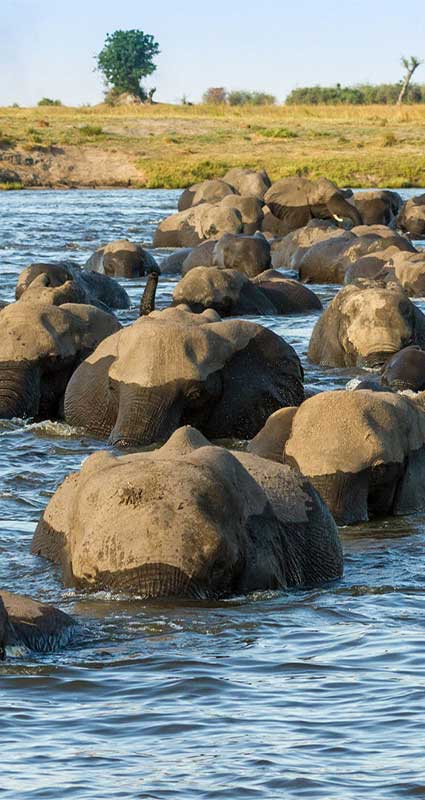
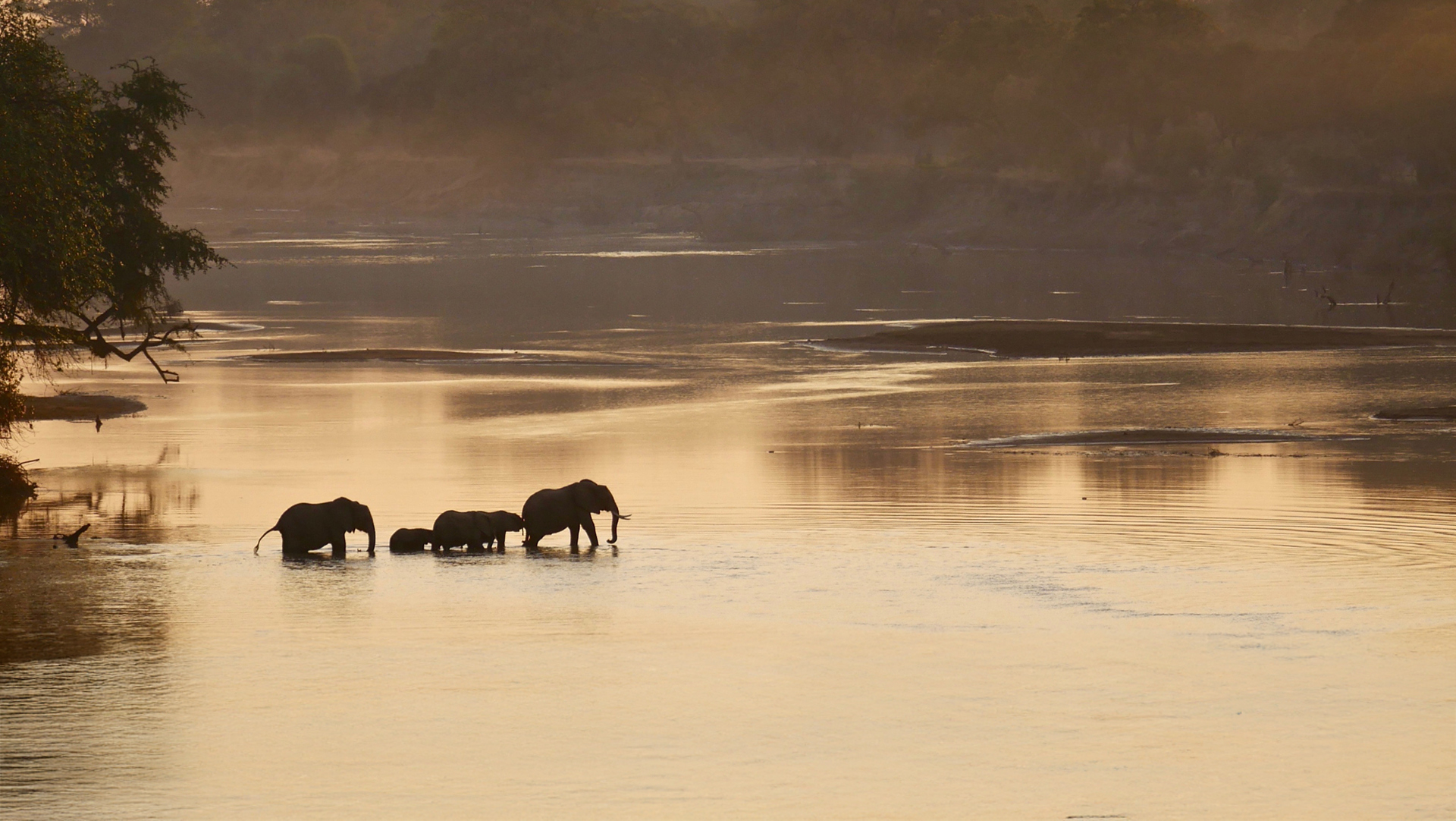
The Chobe River forms the border between Botswana and Namibia. This big river supports wildlife diversity and concentration unmatched in Botswana. During the dry season from June to October, floodplains draw enormous elephant and buffalo herds to the bank. Hundreds of elephants may be visible at once, and the Serondella Road sometimes becomes impassable as family herds cross to reach the water.
What makes the Riverfront distinct from Chobe's other areas is its dual habitat: permanent river and open floodplain on one side, Zambezi teak woodland covering the deeper interior sands on the other. It also holds the only puku population in Botswana — this fawn antelope is common in Zambia but found nowhere else in this country. Boat safaris give water-level access to hippo, crocodile, and waterbird diversity that no land vehicle can match.
5 Reasons We Love Chobe Riverfront
Elephants at scale: The Chobe Riverfront holds the world's highest elephant density. During the dry season, hundreds gather at the bank at once, an encounter unlike anything else in Africa.
Boat safaris on the Chobe River: Water-level encounters with hippos and crocodiles and extraordinary waterbird photography offer a perspective no vehicle can match.
Accessible from Victoria Falls: The Riverfront is reachable by road from Victoria Falls, making it easy to move between these iconic safari destinations.
The only pukus in Botswana: This fawn-coloured antelope, common in Zambia, exists in Botswana only here on the Chobe Riverfront.
Over 460 bird species: Chobe National Park is one of Africa's premier birding destinations, and the Riverfront's waterways support its richest waterbird concentration.
Our favourite Chobe Riverfront safari ideas
All you need to know about Chobe Riverfront
About Chobe Riverfront
The Chobe Riverfront lies along the northeastern edge of Chobe National Park, following the Chobe River, Botswana's border with Namibia, and offers the park's most accessible wildlife experience. Chobe National Park covers approximately 11,700 km² and was established in 1968. The Riverfront is one of four geographical areas within the park, located closest to the gateway town of Kasane.
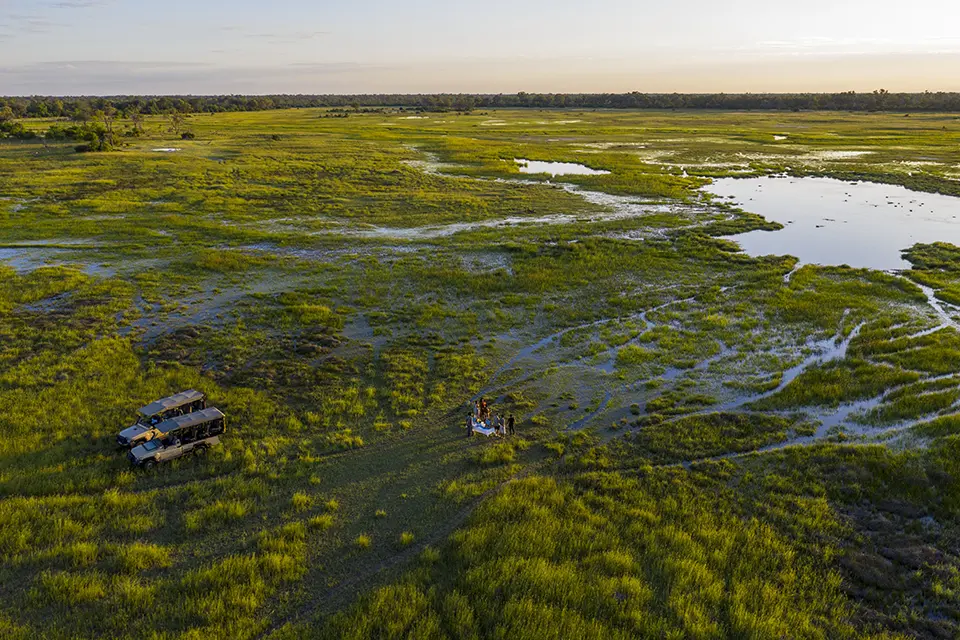
Habitat here is more varied than elsewhere in the park. Lush floodplains line the river, drawing the enormous concentrations of wildlife for which the Riverfront is renowned. Away from the water, Zambezi teak woodland covers the deep sandy interior. This combination of permanent river, open floodplain, and mixed woodland supports an exceptional range of species, including puku, found in Botswana only on this stretch of the park. The Chobe River rises in the Angolan highlands, its course shaped by fault lines extending from the Great Rift Valley, before eventually merging with the Zambezi River and then through Mozambique to the Indian Ocean.
Things to do at Chobe Riverfront
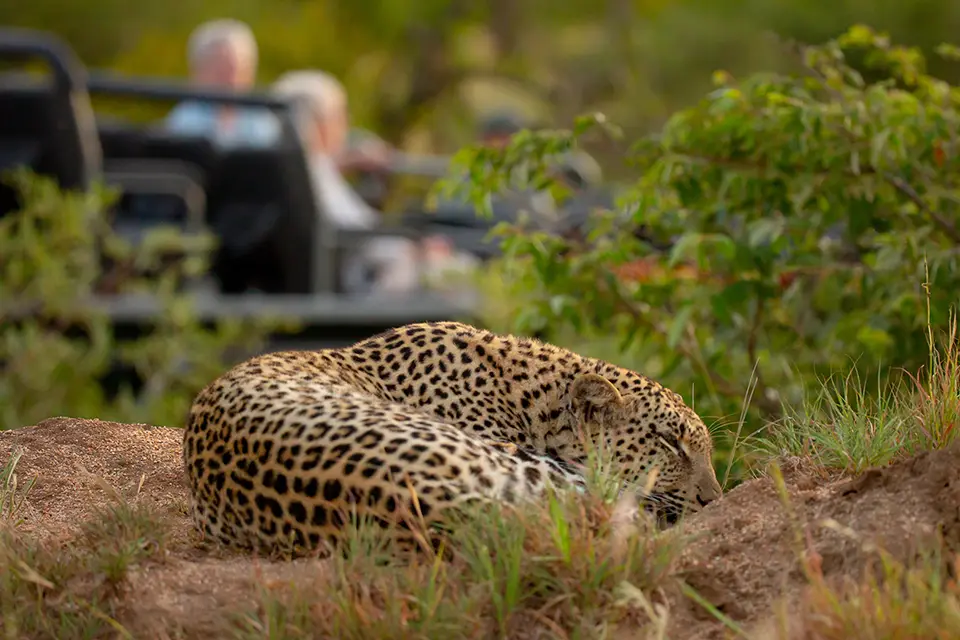
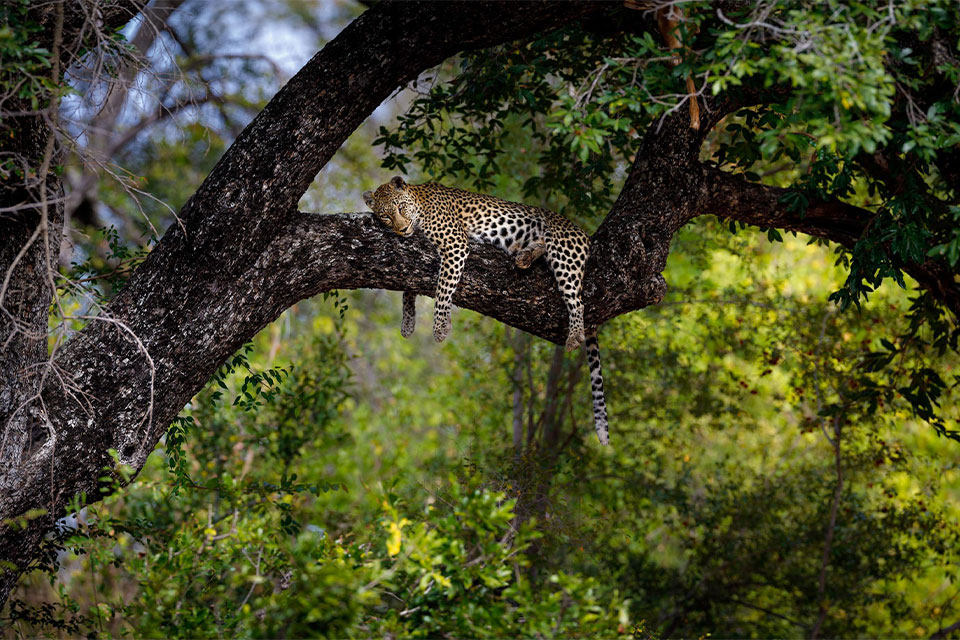
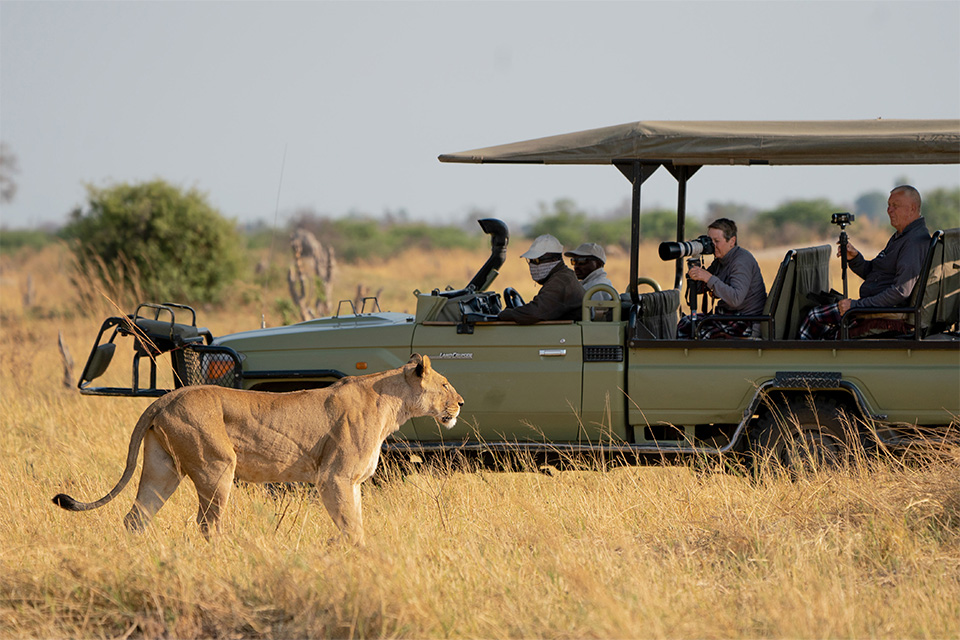
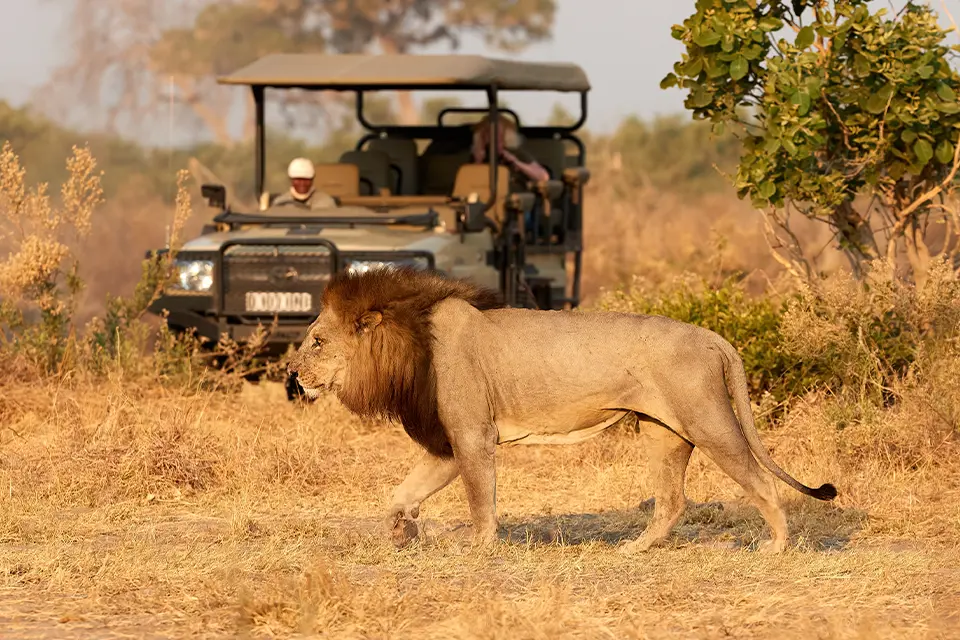
Game drives along Serondella Road and riverfront tracks are very productive, with large herds of elephants and buffalo, pods of hippos, large crocodiles, predators such as lions, leopards, and hyenas and sightings of the rare puku antelope.
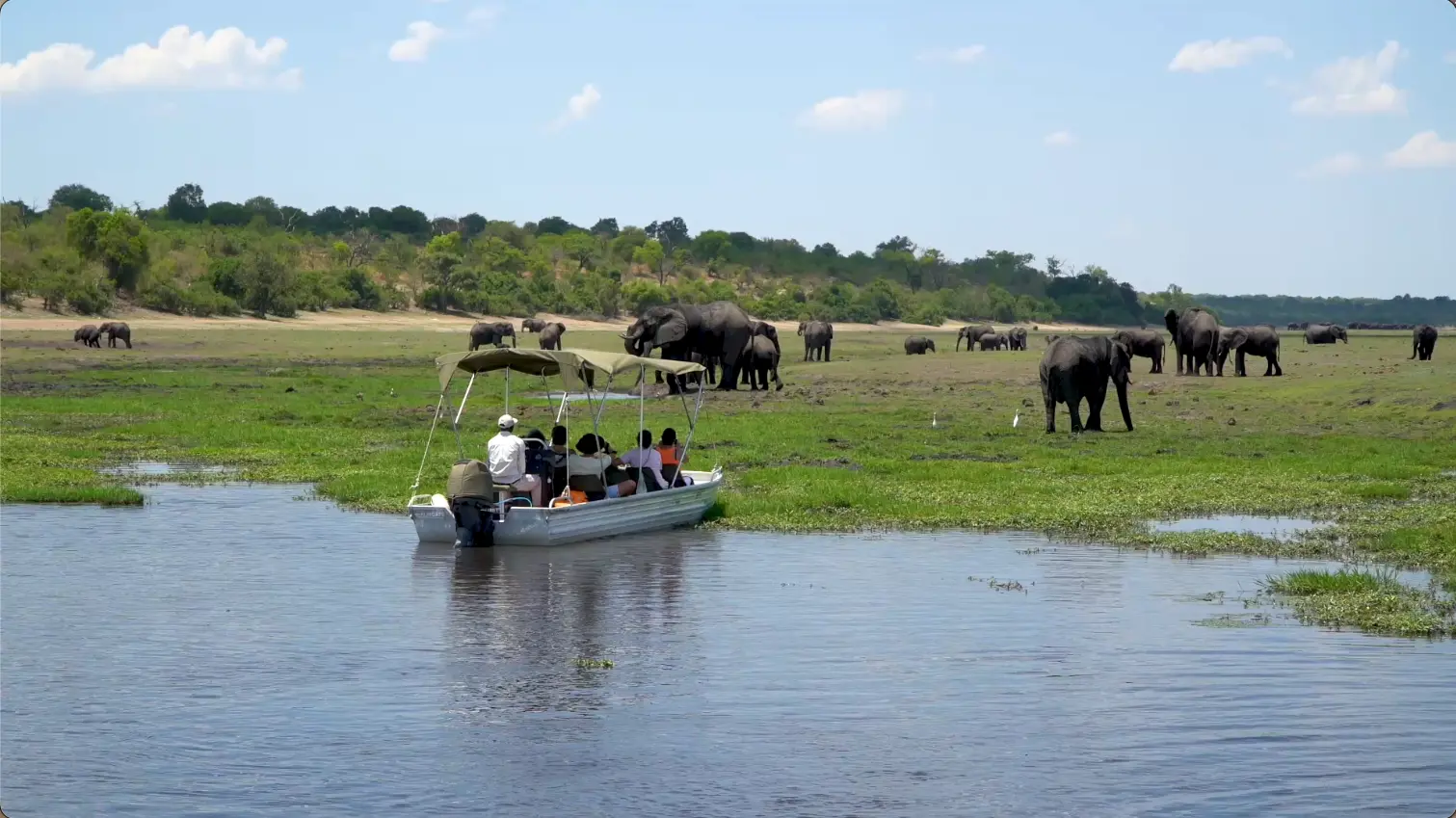
River cruises. This is the quintessential Chobe experience - cruising the river channels in a flat-bottom safari boat. This allows you to float right up to elephants swimming across the river, pods of hippos, massive sunbathing crocodiles, and herds of buffalo grazing on the islands. Afternoon cruises double as spectacular sunset trips.
Specialised birdwatching safaris. While every boat cruise and game drive features incredible birdlife, many lodges offer dedicated birding safaris. Guides will take you to seek out regional specialities such as the African skimmer, Pel's fishing owl, half-collared kingfishers, and rock pratincoles.
Dedicated photographic safaris. The Serondela area is a hotspot for specialised photography boats. These boats are custom-designed with camera-stabilising mounts and low-angle seats, allowing amateur and professional photographers to capture eye-level shots of wildlife and birds bathing.
Guided walks through Zambezi teak woodland and riverine habitat, just outside the national park.
What wildlife will I see at Chobe Riverfront?
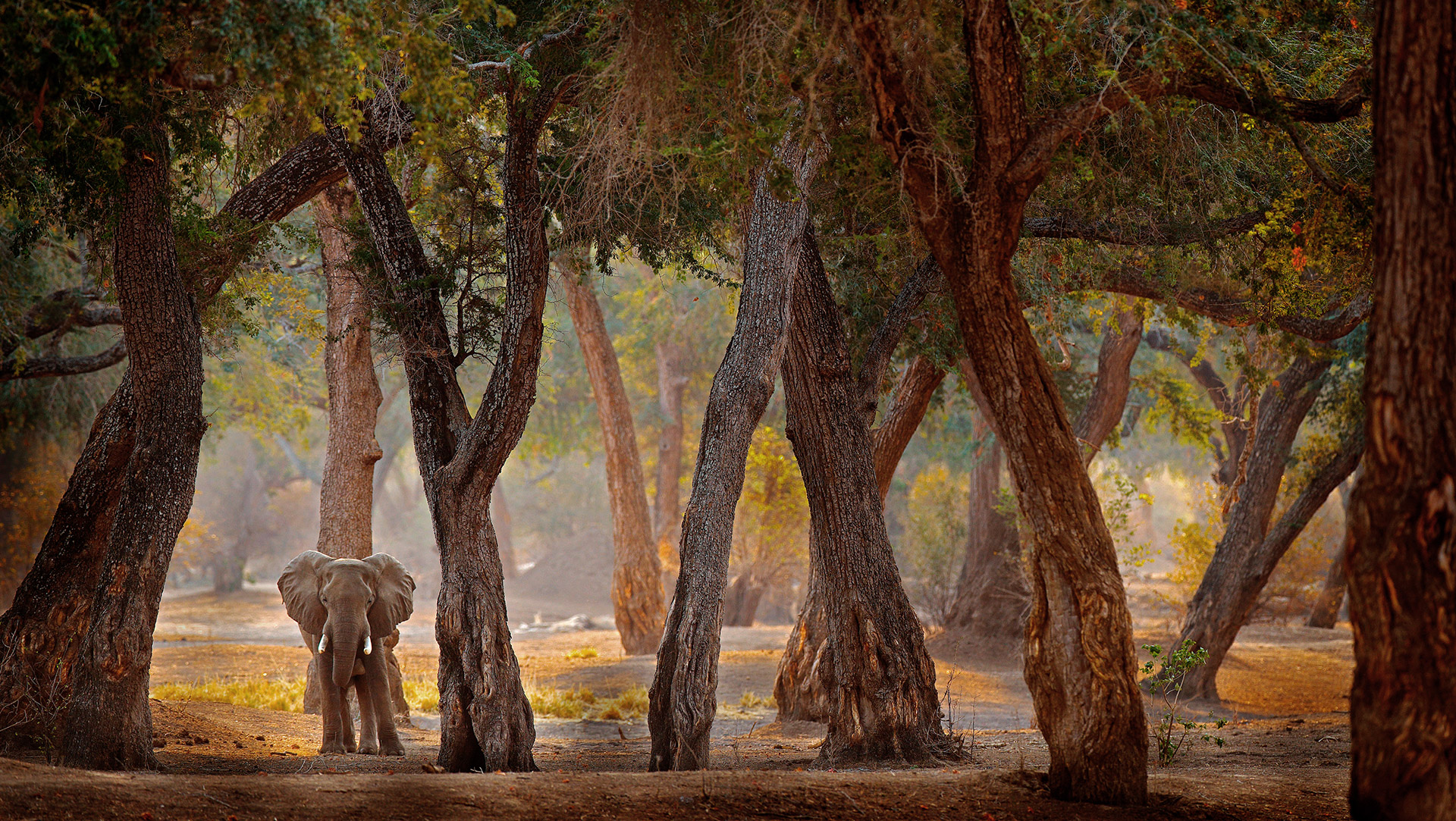
Elephants: the Chobe Riverfront holds the world's highest elephant density. Hundreds gather at the bank during the dry season to drink, bathe, and socialise.
Cape buffaloes: large herds converge on the Chobe Riverfront floodplains alongside elephants throughout the dry season months from June to October.
Pukus: found only along the Chobe Riverfront in Botswana; this fawn antelope is widespread in Zambia but is endemic to this one area within the park.
Hippos and Nile crocodiles: abundant in the Chobe River year-round, and most closely observed at eye-level during a boat safari on the river.
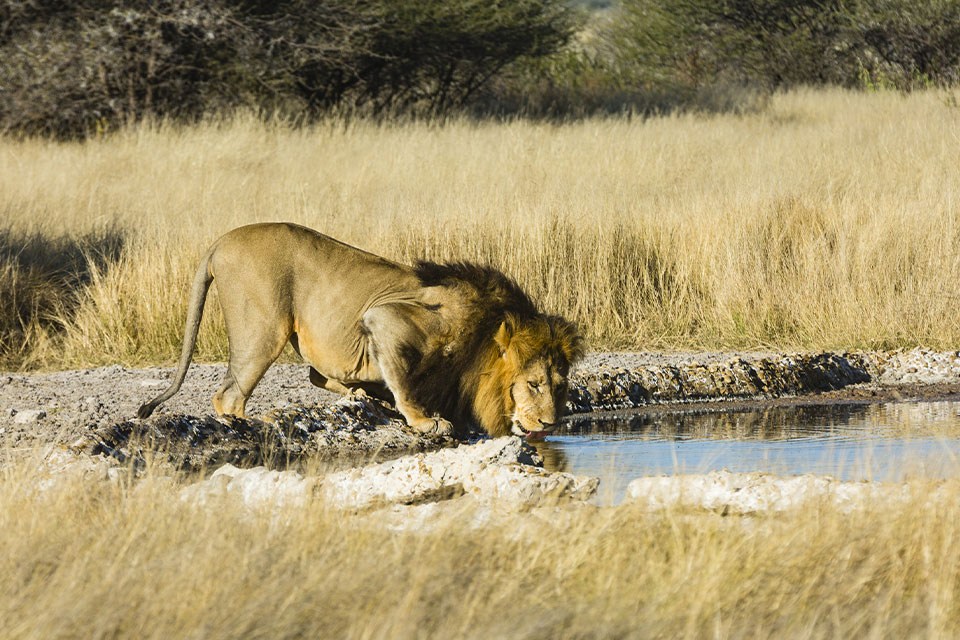
Lions, leopards, and hyenas: all are resident at the Riverfront, following the large dry-season wildlife concentrations along the floodplains.
Waterbirds: over 460 species have been recorded; Riverfront highlights include Pel's fishing owl, carmine bee-eaters, fish eagles, African skimmer, half-collared kingfishers, and rock pratincoles.
Where to stay at Chobe Riverfront
We use a range of lodges along the Chobe Riverfront for our guest itineraries, both inside and outside Chobe National Park, as well as in the nearby town of Kasane. Note that there are no fences between the national park and the surrounding areas, and wildlife moves unhindered.
Chobe Game Lodge is the only lodge inside the national park, which means easy access to the Riverfront game drive areas, but it also limits the activities available at the lodge. Ngoma Safari Lodge, Muchenje Safari Lodge, and Chobe Elephant Camp are on the high ridges overlooking the Chobe River floodplains, just outside the western side of the national park. Chobe Chilwero Lodge sits on the opposite, eastern ridge overlooking the river, outside the national park.
Chobe Safari Lodge, Chobe Bakwena Lodge, Kubu Lodge, The Old House, Jackalberry Chobe and Lenyebi River Lodge are all in or bordering Kasane and within a short drive of the national park gate.
Trusted by thousands of ecstatic travellers
✔️ 5-Star Trustpilot Rating ✔️ Condé Nast Travel Specialist Award Winner
✔️ Accredited by SATSA ✔️ 5,000+ Exceptional Safaris Since 1991
Why choose Africa Geographic to plan your safari?

"First time traveling with AG, all pre-trip organition with AG was fantastic and communication was smooth and aligned with our needs/expectations. All activities at Chobe (boat safari and game drives) were very enjoyable with very professional guides. All lodges were very nice with very competent and professional teams always ready to help."

"I had a wonderful experience during my trip to Botswana. The whole family enjoyed it, from grandparents to the kids. Perfect organization and guided with the heart. Thanks to our guide, we could watch the guepard from the perfect side and Look to the Wilde animals in their daily activities as I would have never imagined. I will never forget this trip. Thanks to the African Geographic Team!"

"Africa Geographic was amazing to work with. They tailored a trip specifically for us based on our wants and needs. They take the time to listen to you and understand what you are looking for from this sometimes once in a lifetime experience. They are professional, courteous, friendly and with you every step of the way. Their job does not end until you are home. If I could give them more than 5 stars I would!"
Wish you were here?
Frequently asked questions
Chobe Riverfront, also called the Serondela area, is the northeastern section of Chobe National Park, running along the Chobe River. It is the park's most visited and most accessible area. While Chobe National Park has four distinct regions (Riverfront, Ngwezumba Pans, Savute, and Linyanti), the Riverfront is defined by permanent water, boat safaris on the Chobe River, and lush floodplains that concentrate wildlife year-round. It also holds Botswana's only puku population. Savute and Linyanti offer different habitats and wildlife experiences, and are generally less accessible.
The dry season from June to October is peak season at the Riverfront. As water sources elsewhere dry up, elephants, buffalo, and other wildlife concentrate along the Chobe River in increasingly large numbers. Afternoon drives during this season reveal huge herds of hundreds of elephants. Because this section of Chobe is easily accessible, it can become crowded during peak travel seasons.
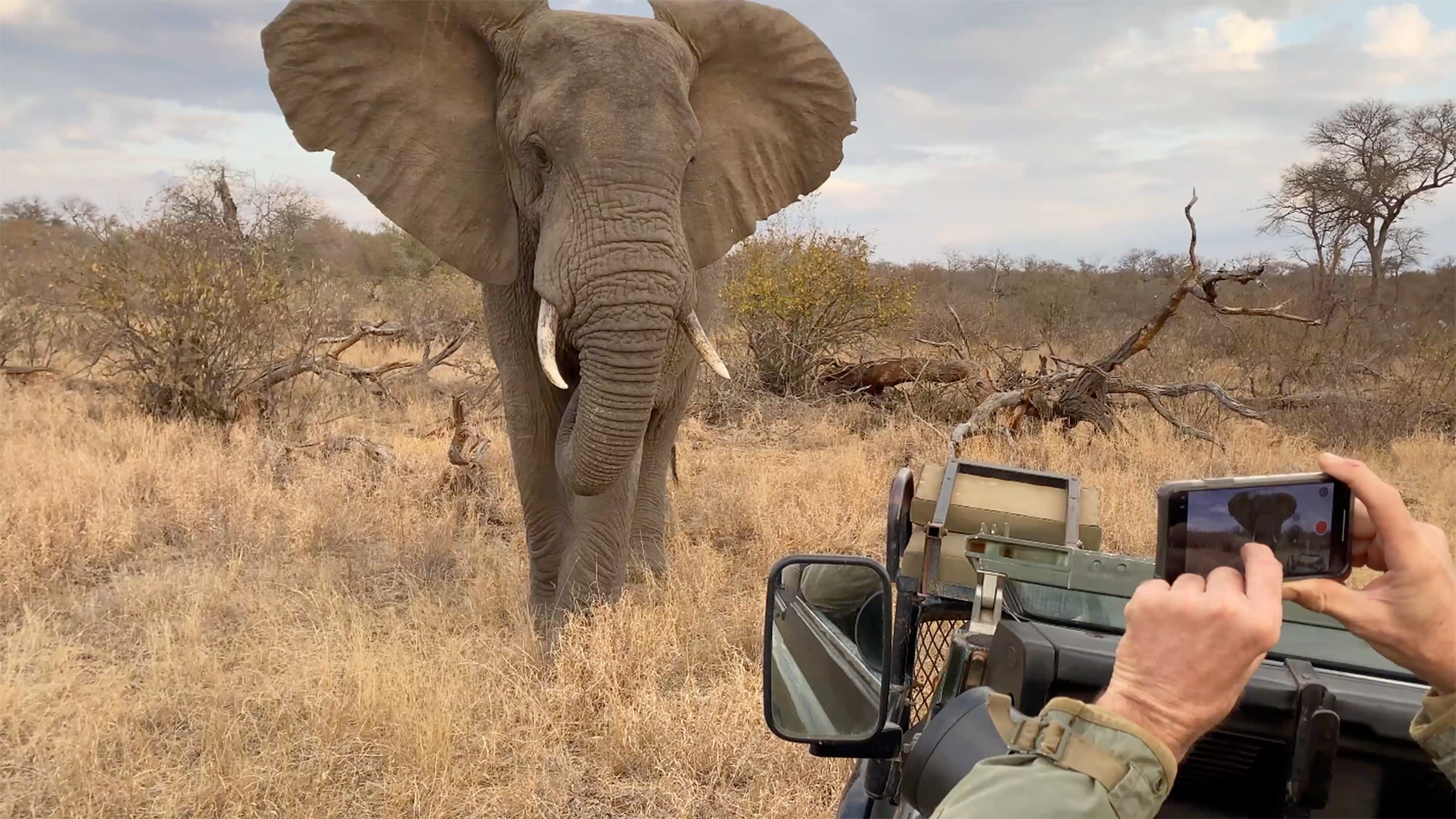
Chobe National Park is widely regarded as home to the world's highest elephant density. At the Riverfront specifically, you may see hundreds of elephants at one time on an afternoon drive, and the Serondella Road can become impassable as family herds cross to reach the water. This is one of the most dramatic elephant spectacles on Earth.
River cruises on the Chobe River are a defining feature of the Riverfront experience, distinguishing it from other parts of Chobe National Park. A river cruise provides a completely different vantage point, getting you closer to hippo, crocodile, and waterbirds than any land-based game drive allows.
Puku is a medium-sized, fawn-coloured antelope closely related to the waterbuck, which is more commonly seen in Zambia. It is notable because it is found only on the Chobe Riverfront, nowhere else in Botswana, making any sighting here a genuinely Botswana-exclusive encounter.
There are over 460 bird species in Chobe National Park. Popular sightings include Pel's fishing owl, carmine bee-eaters, fish eagles, African skimmer, half-collared kingfishers, and rock pratincoles.
Chobe Riverfront is accessed via the gateway town of Kasane in northeastern Botswana. Kasane is served by air connections from Maun and Johannesburg. Overland transfers from Victoria Falls are also possible, given the short distance between the two destinations. Most luxury lodge guests transfer by road from Kasane or arrive by light aircraft. We handle all transfer logistics for any booked itinerary.
Game drives and boat safaris will reveal predators such as lions, leopards, hyenas, and jackals, as well as other wildlife, including puku, waterbuck, red lechwe, giraffe, kudu, roan and sable antelope, impala, warthog, bushbuck, vervet monkeys, and baboons. Hippopotamus and Nile crocodile are abundant in the river.
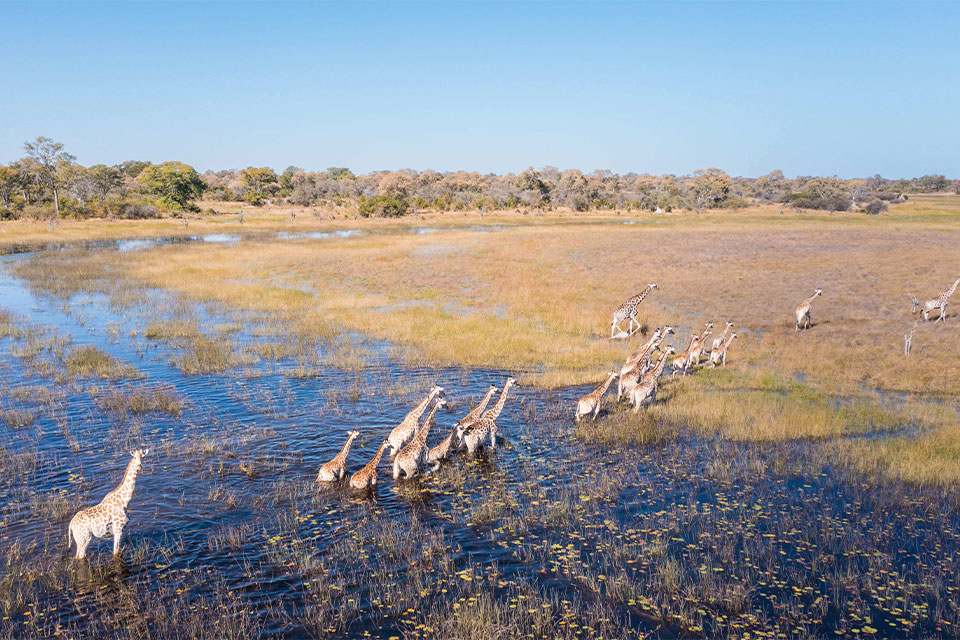
Yes. Chobe Riverfront is a natural anchor for broader northern Botswana itineraries. It combines well with the Okavango Delta, Khwai, and the Linyanti and Kwando reserves — all accessible by light aircraft. Its road accessibility from Victoria Falls also makes it a compelling first or last stop on itineraries that begin or end there. We regularly design these multi-destination combinations.
Our safaris typically cost from US$700 per person, per night, depending on the accommodation comfort level, time of year and activities. This price usually includes accommodation, all meals, game drives, experienced guides, airport transfers, and 24/7 support from our team.
You only make your first payment when you book your holiday. Your second (last) payment is about 105 days before you travel.
Peak season bookings require 12–18 months of advance planning. Trips outside of peak season can be arranged 6–9 months ahead, with better rates and availability.
By booking through Africa Geographic, a portion of every safari sold supports carefully selected conservation projects at ground level, alongside our conservation publishing work. Our chosen properties in the Chobe Riverfront adhere to strict environmental practices — limited vehicle numbers, sustainable operations, and support for local community initiatives.
Click here to schedule a no-obligation call with one of our Safari Experts or fill in our 2-minute form with your questions. Our team of experts are here to help! Whether you’re curious about the best time to travel, want to hear first-hand about an experience or need help planning your safari.
Explore more African destinations
Start planning your dream safari
Our travel experts will craft a no-obligation itinerary just for you. We have crafted over 5,000 safaris since 1991. Your personal details are protected; we only use this information to contact you.
Why book your safari with us?

Deep Experience & Knowledge
Handcrafted experiential safaris since 1991.
Travel in Africa is about knowing when and where to go, and with whom. A few weeks too early/late or a few kilometres off course, and you could miss the greatest show on Earth. And wouldn’t that be a pity?

Trust & Safety

Make A Difference
We donate a portion of the revenue from every safari sold to carefully selected conservation projects that make a significant difference at ground level.
YOUR safari choice does make a difference - thank you!