

Safari experts & storytellers. Since 1991


Trust us to find you the rarest animals, the most spectacular wildlife events, the remotest landscapes and deeply meaningful cultural encounters!
How long should my Serengeti safari be?
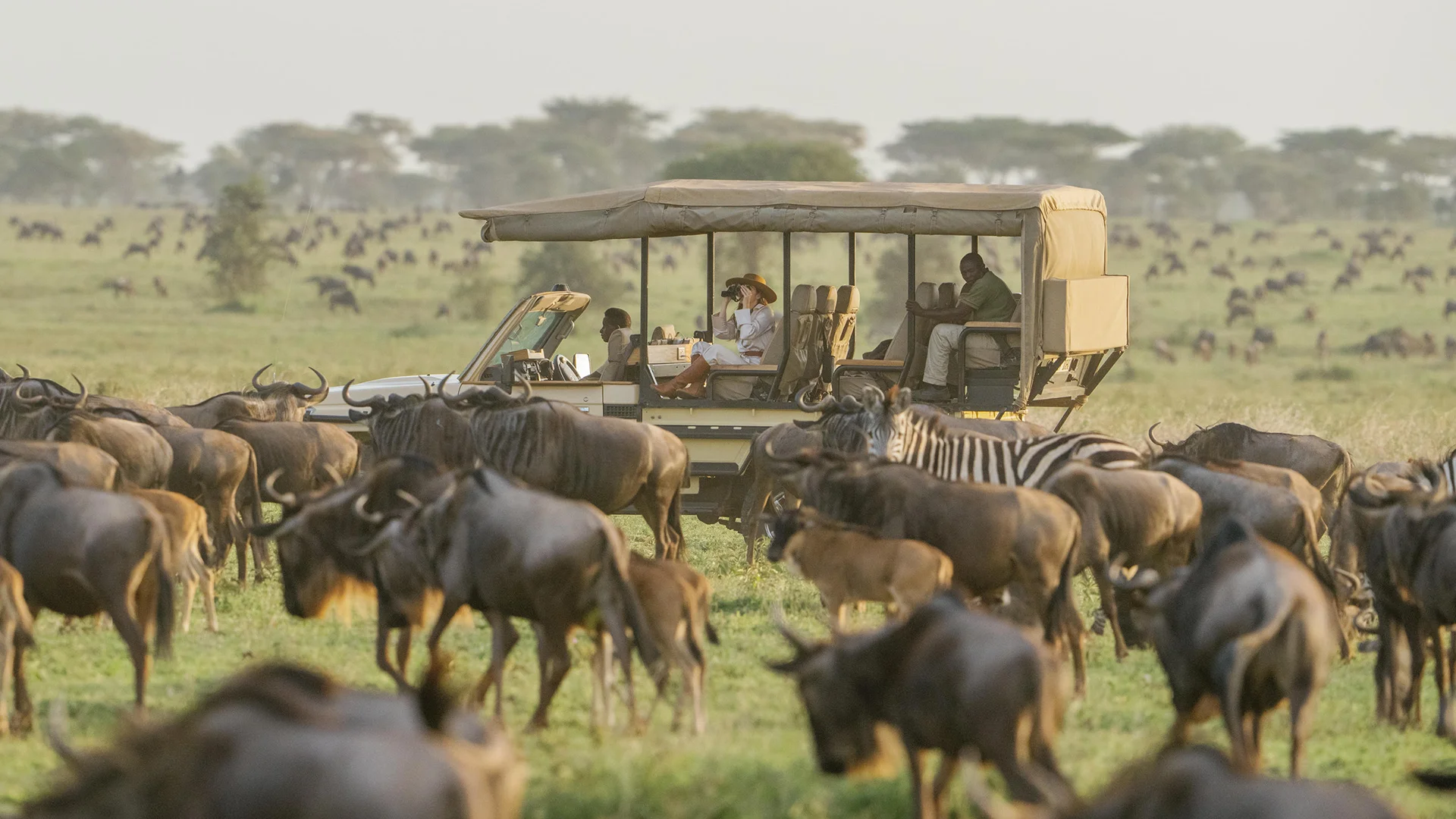
Dawn breaks over the Serengeti in shades of amber, and the plains fill with sound before they fill with light – hooves on hardened earth, a lion marking territory somewhere out of sight, engines idling as safari vehicles wait for the first hyena to move. This is a landscape built on scale, and scale changes the maths on how long you need to properly experience it. Three nights will show you the essentials. A week, paired with the Ngorongoro Crater, will show you why this ecosystem carries a reputation few other places on earth can match.
Most travellers need a minimum of three nights in the Serengeti. Four to five nights is the ideal length for a first safari, allowing time to explore more than one area of the park. Adding the Ngorongoro Crater extends the trip by two to three nights, and travellers with a week or more can comfortably combine the Serengeti, Ngorongoro and Tarangire without feeling rushed.
The short answer
Minimum stay: 3 nights, enough for two full days of wildlife activities
Ideal stay: 4 to 5 nights, covering more of the park's regions
With Ngorongoro Crater: add 2 to 3 nights to your itinerary
Full circuit: 7 days or more for Serengeti, Ngorongoro and Tarangire
Three nights covers the Serengeti's highlights, but the ecosystem rewards more time. Our safari experts generally recommend four to five nights as the point where wildlife viewing feels unhurried rather than rushed.
Serengeti safaris we love
Each of these itineraries reflects a different trip length, from a fast-paced flying safari to a full northern circuit. Here are three Africa Geographic safaris to consider:
Great migration Tanzania flying safari: covers the Serengeti's key migration regions by light aircraft, minimising drive time and maximising wildlife activities across a tightly planned week. View this safari →
The best of Tanzania: northern safari circuit: a comprehensive circuit taking in Tarangire, the Ngorongoro Crater and the Serengeti, ideal for travellers with seven days or more. Explore this safari →
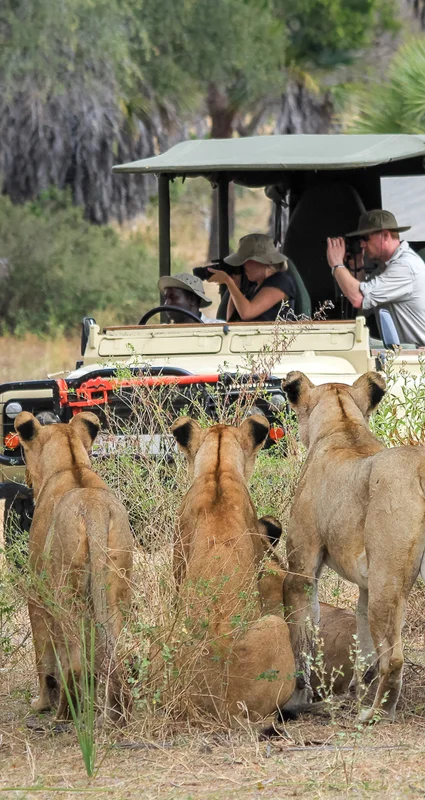
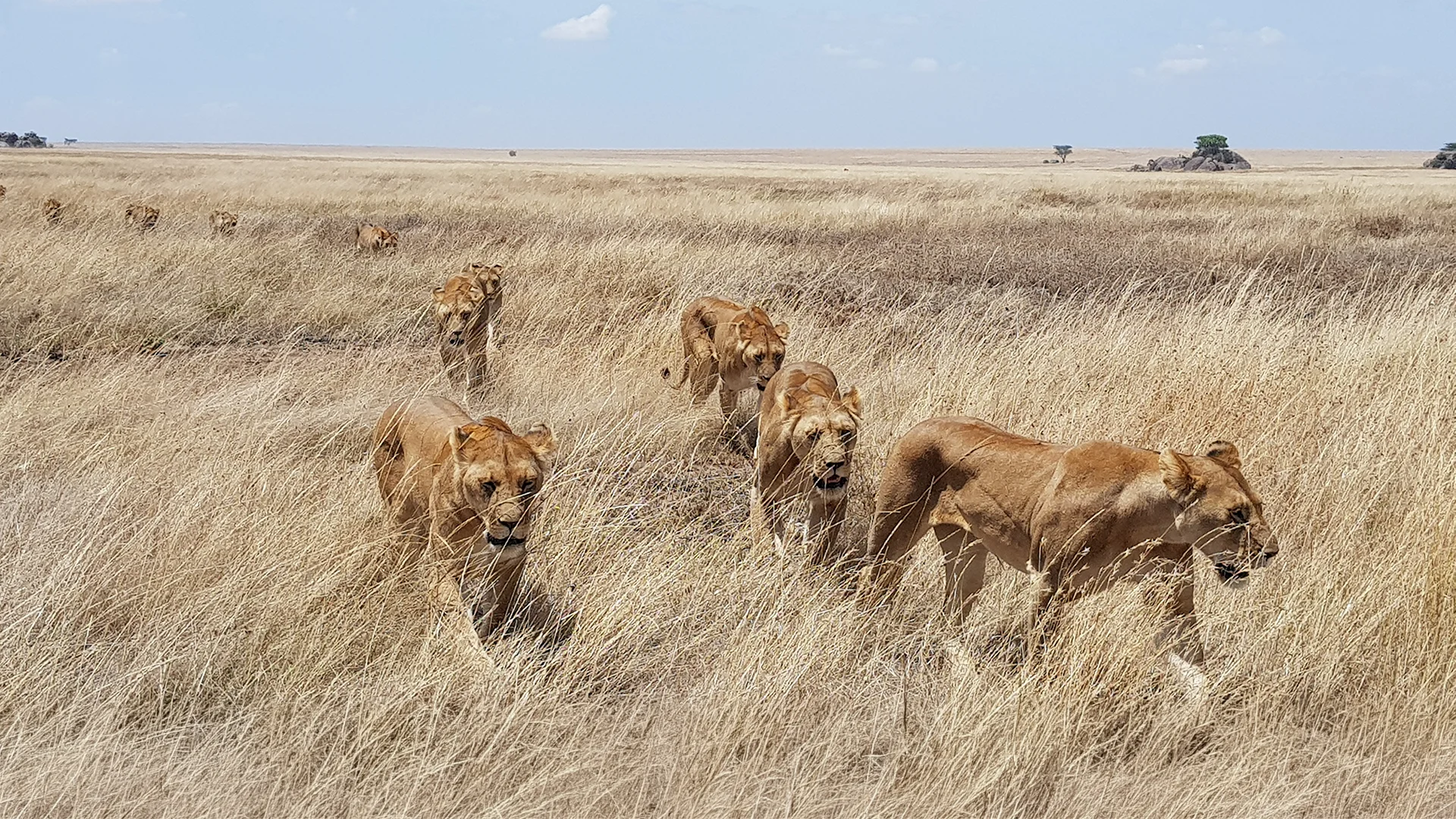
Serengeti great migration and big cats: a predator-focused itinerary through the Serengeti's richest cat territory, built around the migration's seasonal movements. See this safari →
Pairing the Serengeti with the Ngorongoro Crater
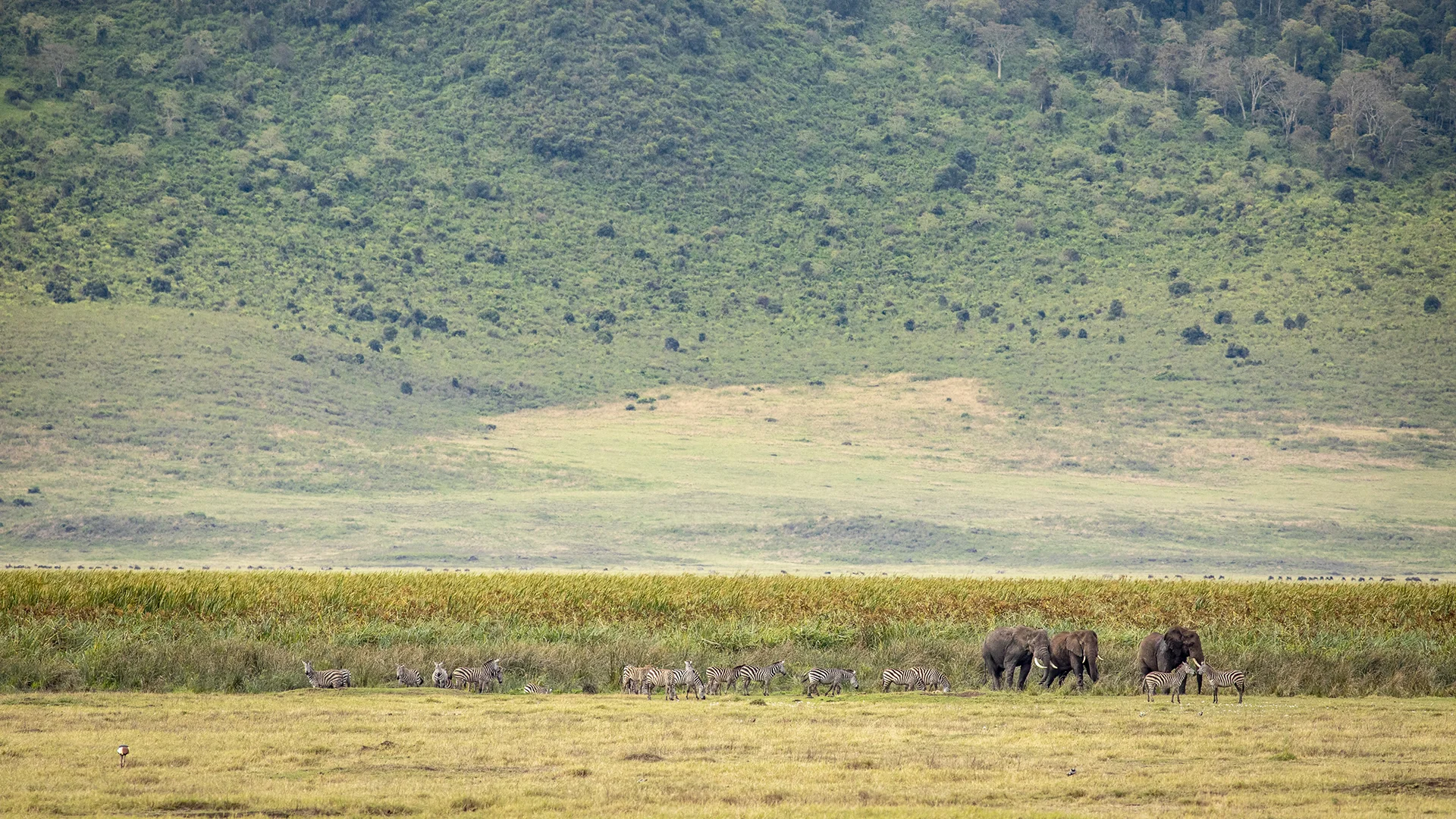
The Ngorongoro Crater sits roughly 140km from the Serengeti's central Seronera area, a drive of about three hours or a short scheduled flight. Most itineraries route through Ngorongoro on the way into or out of the Serengeti, adding two to three nights to explore the crater floor properly, along with the Olduvai Gorge and highland scenery along the route.
As Africa Geographic Tanzania safari expert Luis Gama describes it: “Standing on Ngorongoro’s rim, the views stretched endlessly; floating above the Serengeti in a balloon felt like a dream; and snorkelling Mnemba’s crystal waters revealed a vibrant world I’ll never forget.”
Compare Serengeti safari lengths
The table below outlines what's realistic to see for each trip length, based on our safari experts' itinerary planning for first-time and repeat Tanzania travellers.
Duration | What's realistic | Best for |
3 days | Seronera game drives and one migration-season highlight | Short stopovers or first-time tasters |
5 days | Two Serengeti regions, plus a hot air balloon safari option | A classic first Tanzania safari |
7+ days (fly-in) | Serengeti, Ngorongoro Crater and Tarangire in one circuit | Full northern circuit, no rushing |
Sample itinerary structures

Three days: a fast introduction
Three days is enough for two full days of wildlife activities in the Seronera area, the Serengeti's central hub. Expect early morning and late afternoon game drives, with rest at the lodge through the heat of the day. This length suits travellers combining the Serengeti with a wider East Africa itinerary or working with limited leave.
Five days: the classic safari length
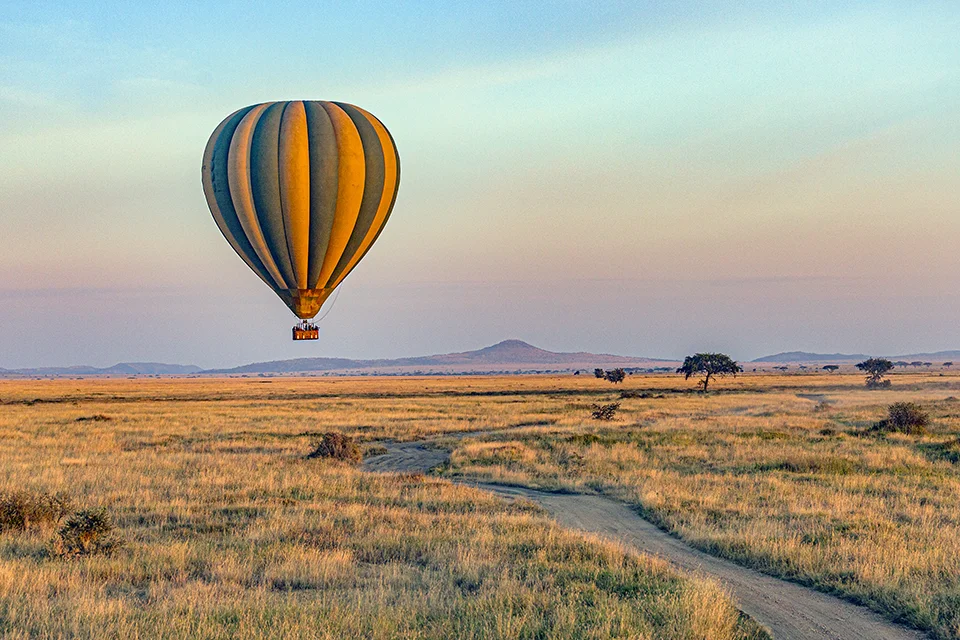
Five days allows time to explore two distinct areas of the park, following the Great Migration's seasonal position rather than staying fixed in one place. This length also leaves room for a hot air balloon safari at dawn, one of the more memorable ways to take in the plains.
Seven days: Serengeti, Ngorongoro and beyond
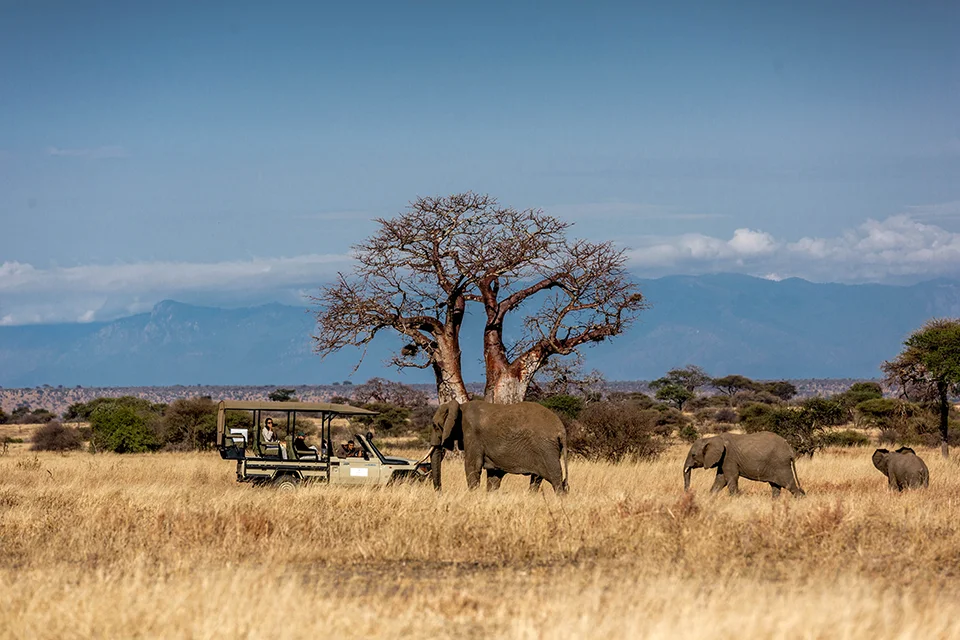
A week or more supports a full northern circuit: Tarangire's elephant herds and baobabs, the Ngorongoro Crater's dense wildlife concentrations, and multiple regions of the Serengeti. Fly-in routings between parks cut down on driving time, leaving more hours for wildlife viewing itself.
Frequently asked questions
Three nights is a workable minimum, giving two full days of wildlife activities in the Seronera area. It suits travellers with limited time or those combining the Serengeti with other Tanzania regions. For a fuller sense of the ecosystem's scale, and to follow the migration's seasonal position across a second area of the park, our safari experts recommend four to five nights where an itinerary allows the extra time.
A Tanzania safari built solely around the Serengeti works well at four to five nights. Travellers wanting to combine the Serengeti with the Ngorongoro Crater and Tarangire should plan for seven to ten nights in total, plus arrival and departure days through Kilimanjaro International Airport. Adding Zanzibar for a bush and beach combination typically adds a further four to seven nights.
Yes, and it is one of the most popular pairings in northern Tanzania. The two sit roughly 140km apart, connected by a drive of about three hours or a short scheduled flight. Most itineraries route through Ngorongoro on the way into or out of the Serengeti, adding two to three nights to explore the crater floor, Olduvai Gorge and the surrounding highlands.
The distance from the Serengeti's Seronera area to the Ngorongoro Crater is approximately 140km, with a drive time of around three hours depending on road conditions and wildlife sightings along the way. A short scheduled flight is also available and is often preferred by travellers with a tighter itinerary or limited time for road transfers between parks.
The Serengeti offers wildlife activities year-round, since it is not dependent on a single migration event. Calving season runs from January to March on the southern plains, while Mara River crossings typically occur between August and October in the north. Visiting outside the peak months of July to September brings quieter lodges and comparable wildlife viewing across the central and southern regions.
Two nights allows for one full day of wildlife activities, which is workable as a short stopover but leaves little room for the unpredictability of wildlife viewing or travel delays. Our safari experts recommend a minimum of three nights wherever the itinerary allows, giving two full days in the park and a buffer against weather or transfer disruptions.
Start planning your dream safari
Our travel experts will craft a no-obligation itinerary just for you. We have crafted over 5,000 safaris since 1991. Your personal details are protected; we only use this information to contact you.
Why book your safari with us?

Deep Experience & Knowledge
Handcrafted experiential safaris since 1991.
Travel in Africa is about knowing when and where to go, and with whom. A few weeks too early/late or a few kilometres off course, and you could miss the greatest show on Earth. And wouldn’t that be a pity?

Trust & Safety

Make A Difference
We donate a portion of the revenue from every safari sold to carefully selected conservation projects that make a significant difference at ground level.
YOUR safari choice does make a difference - thank you!