

Safari experts & storytellers. Since 1991


Mashatu: where ancient land reveals its giants
Mashatu | Tuli Block at a glance:
Location: Eastern Botswana, where Botswana, South Africa and Zimbabwe meet. | Size: Mashatu forms 42,000 hectares of the 72,000-hectare Northern Tuli Game Reserve |
Access: Charter flights and road transfers from Johannesburg and Gaberone. Road is via Pont Drift border post. | Best time to visit: June–mid-November (dry season); December–March for birding and newborns |
Minimum recommended stay: 3 nights | Activities: Game drives, night drives, guided walks, horseback safaris, cycling safaris, underground photographic hide |
Currency: Botswana Pula (BWP); South African Rand widely accepted | Malaria risk: Low risk; consult your doctor for current advice |
Few private game reserves in Southern Africa carry the geological and historical weight of the Tuli Block. At the confluence of the Limpopo and Shashe Rivers, where Botswana, South Africa, and Zimbabwe meet, an ancient landscape of red sandstone ridges, open mopane plains, and enormous baobab trees unfolds across the horizon. This is an ancient land, with rock formations worn smooth by millennia and huge trees that have outlasted empires, over dry riverbeds where elephants dig for water in August.
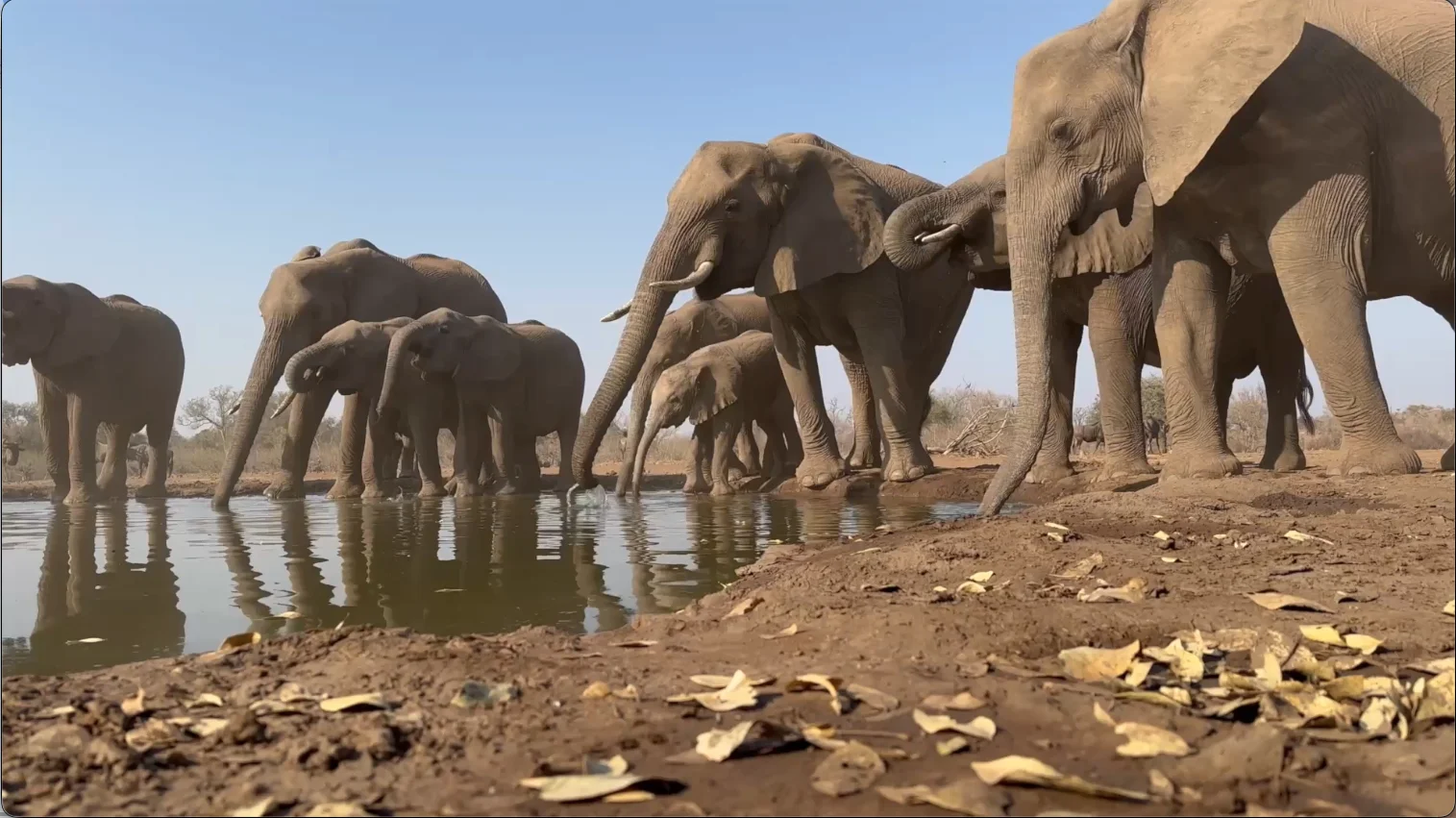
Mashatu Game Reserve sits at the heart of this landscape, covering 42,000 hectares of unfenced wilderness in the Northern Tuli Game Reserve. It is the largest private game reserve in Botswana and guardian to the largest elephant population on private land in Southern Africa. These elephants have learned to survive this semi-arid transition zone between the Kalahari and Lowveld, moving in herds of up to 200 through a landscape of craggy rock formations, sandy riverbeds, and colossal baobabs.
Tuli is also one of the finest destinations in Africa to see leopards. Relaxed, habituated individuals move through this open terrain with such ease that prolonged sightings are common. In fact, predators love Tuli, as evidenced by good populations of lion, cheetah, brown and spotted hyena.
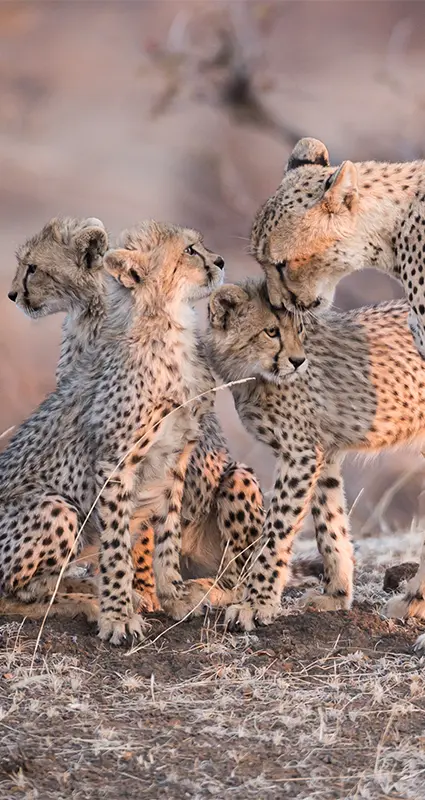
In the words of our CEO, Simon Espley, in this travel diary and photo gallery: "We also spotted six leopards in the first two days, a cheetah mom and her adolescent cubs on a kill, hyenas and many lions."
5 Reasons We Love Mashatu | Tuli
Leopards on their own terms: Mashatu's relaxed leopard population, moving through rocky ridges and sandy riverbeds, makes for extended, unobstructed sightings that few reserves in Southern Africa can match.
The 'Land of Giants': Seven of Africa's greatest species - elephant, lion, giraffe, baobab tree, eland, ostrich, and kori bustard - share this safari wilderness.
Africa's largest elephant herd on private land: Huge herds, up to 200 individuals, move through Mashatu's mopane veld and along its riverbeds. In the dry season, elephants dig for water in the sandy tributaries of the Limpopo River, creating pools that sustain entire communities of wildlife.
Night drives and specialist activities: Unlike Botswana's national parks, Mashatu permits night drives, revealing species such as aardvark, honey badger, springhare, African wild cat, and aardwolf. The underground photographic hide places guests at ground level with wildlife coming to drink, creating excellent photographic opportunities.
History written in the landscape: From San rock paintings and ancient stone tools to the ruins of Bryce's Store, fought over in the South African War, and Cecil John Rhodes' signature carved into a baobab, Tuli carries its past without dramatising it. Every drive is a journey through layered time.
Our favourite Mashatu | Tuli safari ideas
All you need to know about Mashatu | Tuli
About Mashatu | Tuli Block
The Tuli Block is a narrow strip of land in southeastern Botswana, extending 350km along the Limpopo River to its confluence with the Shashe. It is flanked by South Africa to the south and Zimbabwe to the north and east, a geopolitical position that has shaped its turbulent history and defines the open, unfenced character of its wildlife today. Mashatu Game Reserve covers 42,000 hectares within the Northern Tuli Game Reserve (Notugre), a collection of 36 jointly managed private properties covering roughly 72,000 hectares. Together they form a cornerstone of the Greater Mapungubwe Transfrontier Conservation Area, a cross-border conservation landscape spanning nearly 6,000 km² across Botswana, South Africa, and Zimbabwe. There are no fences between these sovereign components. Wildlife moves freely across all three countries, which means the animals on Mashatu are there because they choose to be. The landscape spans dense primary mopane woodland, open savannah plains, craggy sandstone ridges, and gallery forest lining the Limpopo's tributaries. Gazetted in 1935, the reserve is managed with strict limits on visitor numbers, vehicle concentrations at sightings, and off-road driving.
Things to do in Mashatu | Tuli Block
Mashatu offers a range of activities that distinguish it from conventional game-drive-only destinations:
Game drives and night drives: Morning and evening game drives, with night drives permitted; a significant advantage over Botswana's national parks, where spotlight drives are not allowed.
Underground photographic hide: Purpose-built underground hides position guests at ground level at a waterhole, placing elephants, big cats, and plains game within feet of the lens. No vehicle, no elevated platform, no barrier between photographer and animal.
Guided walking safaris: Expert guides lead walks along rocky ridges and sandy riverbeds, covering ground that vehicles cannot reach.
Horseback safaris: Tuli is one of the very few reserves in Africa where horseback safaris are possible, allowing us to move silently through the bush alongside wildlife in a manner that no engine can replicate.
Cycling safaris: Fat-tyre cycling through the mopane and along the riverbeds — suited to guests with a spirit for the unexpected.
Archaeological sites and historical landmarks: The ruins of Bryce's Store, the Rhodes Baobab bearing Cecil John Rhodes' signature, Solomon's Wall (a 30m basalt formation jutting through the Limpopo riverbed), and San rock art sites are all accessible from Mashatu.
What animals will I see in Mashatu | Tuli?
The Tuli's position as a transition zone between the Kalahari Desert and the Lowveld bushveld gives it a wildlife assemblage that differs significantly from any other private reserve in Southern Africa.
Expect regular sightings of leopard, lion, cheetah, brown and spotted hyenas, as well as large herds of elephant - the largest population on private land.
You will also find giraffe, zebra, wildebeest, warthog, impala, waterbuck, kudu, and large herds of eland. Dry-season sightings of honey badger, African wild cat, aardvark, springhare and aardwolf are particularly good.
As a transition zone between the Kalahari Desert and Lowveld bushveld, Tuli offers varied and exciting birding opportunities, with over 350 recorded species. The large riverine trees hide Pel’s fishing owls, and the kori bustards (Botswana’s national bird) pick their way through the grasslands while lanner falcons swoop through rocky valleys.
Where to stay in Mashatu | Tuli Block
Mashatu offers a small range of safari lodges, from traditional brick-and-mortar thatched lodges to tented camps and exclusive villas.
All lodges are managed with strict limits on vehicle numbers at sightings, guided by the reserve's low-impact tourism ethos. Every booking includes a daily conservation levy, earmarked for conservation, community employment, and cultural programmes in the villages surrounding the Northern Tuli Game Reserve. Guides are predominantly drawn from those communities — in many cases, children and grandchildren of community members who have worked at Mashatu across generations.
Every property we select for your handcrafted journey meets our exacting standards for comfort, character, and service. Just as importantly, each option is deeply committed to our quest to empower you to make a difference for wildlife conservation, local community upliftment, and the preservation of the extraordinary ecosystems that make your safari possible.
Check out our Mashatu | Tuli safari ideas above to see some of the lodges with proven track records that we regularly send our guests to.
Trusted by thousands of ecstatic travellers
✔️ 5-Star Trustpilot Rating ✔️ Condé Nast Travel Specialist Award Winner
✔️ Accredited by SATSA ✔️ 5,000+ Exceptional Safaris Since 1991
Why choose Africa Geographic to plan your safari?

"My trip to Africa, organized by Africa Geographic, was superb! I loved every minute of it. It was a mobile tented safari in Botswana. The staff were all excellent and I had the best guide imaginable. I was given a beautiful, detailed itinerary, which was quite helpful. I highly recommend Africa Geographic for a beautiful travel experience."

"Such a magical experience made so easy thanks to Africa Geographic. We went to Mashatu reserve in Botswana and the photo hides were the absolute highlight with great photographic opportunities, I’d love to go back !"

"Being seasoned travellers, this was our first trip with Africa Geographic. Everything was well organised with lots of information beforehand. The photographic opportunities were wonderful with a relaxed atmosphere and stimulating conversation. The morning session in the hide were exceptional. One of the highlights of the week was when the CEO of Africa Geographic organised to watch the rugby on his laptop. All in all it was a fantastic experience and I will gladly recommend this company to anybody that wishes to travel in Africa."
Wish you were here?
Frequently asked questions
Mashatu combines experiences found together nowhere else in Botswana: leopard encounters in open, rocky terrain where sightings are prolonged and unobstructed; the largest elephant population on private land in Southern Africa; night drives in a country where these are not permitted in national parks; an underground photographic hide; and a multi-activity offering that includes game drives, walking, horseback, and cycling safaris. The landscape itself, ancient sandstone ridges, colossal baobabs, and the confluence of the Limpopo and Shashe Rivers, is unlike any other safari destination in the region.
The best wildlife-viewing months run from June to mid-November, covering Botswana's dry season. Vegetation thins progressively through this period, concentrating wildlife around permanent water and making predator sightings increasingly reliable. June to August offer cool conditions with crisp mornings; September and October are warmer and can be very dry, making this the most dramatic period for elephant and predator concentration at waterholes. The rainy season (November to March/April) brings a different character: lush green scenery, exceptional birding, newborn wildlife, and spectacular afternoon thunderstorms; particularly rewarding for photographers.
The headline species is the leopard — Mashatu's open terrain and habituated individuals make for some of the most prolonged sightings in southern Africa. Elephant herds of up to 200 individuals are a signature experience; this is the largest population on private land in Southern Africa. Lions and cheetahs are regularly seen. The nocturnal offering, accessed via night drives not available in Botswana's national parks, includes honey badger, aardvark, aardwolf, and African wildcat. Birding: 350+ recorded species include the Pel's fishing owl, martial eagle, kori bustard, and lanner falcon.
The best underground photo hide at Mashatu for classic daytime, eye-level action shots is Matebole, whereas if you want an exclusive-use, fully-equipped overnight hide built for nocturnal photography, it's Lala Limpopo Sleepout Hide.
More information:
The Matebole Hide is the original and the one that made Mashatu famous. A groundbreaking first for photography in Southern Africa, it opened in 2012, setting the benchmark for underground hides across Africa. It's a daytime hide: a sunken structure at a waterhole where your head sits at ground level, giving you that low, eye-level "worm's-eye" perspective on elephants, predators and birds coming to drink. It comfortably accommodates up to eight photographers on a shared basis, with a choice of morning or afternoon sessions lasting about three hours, plus options to book it exclusively or for full days. It sits in an ecotone between mopane grasslands and the denser central game-viewing region, a mix of habitats that supports a wide diversity of bird and mammal species, and is positioned where elephant paths converge for frequent visits, especially in the dry season. Its photographic pedigree is considerable; Greg du Toit's award-winning "Essence of Elephants" was captured there.
The Lala Limpopo Sleepout Hide is a very different offering, which opened around October 2025. It's an underground hide designed specifically for night photography, where from dusk till dawn you observe and photograph nocturnal species. It overlooks a waterhole famously known as Pete's Pond. The key distinction is that it's a luxury overnight experience rather than a sit-in session: it's designed for exclusive use by up to four photographers or guests, and includes a small kitchen, lounge, dining area, and a full bathroom with shower facilities, plus a separate bedroom for the tour leader, ranger or guide. Innovative lighting and nighttime sensors around the waterhole alert you to the presence of animals.
The Tuli Block is a strip of privately owned land in southeastern Botswana, extending 350km along the Limpopo River. It comprises a mix of private properties, some farmed, some hunted, and many converted to photographic safari operations. The most well-known portion is the Northern Tuli Game Reserve (Notugre), a collection of 36 jointly managed private properties covering roughly 72,000 hectares, of which Mashatu Game Reserve, at 42,000 hectares, is the largest. Tuli is a cornerstone of the Greater Mapungubwe Transfrontier Conservation Area, a cross-border conservation landscape spanning Botswana, South Africa, and Zimbabwe.
Mashatu is home to seven species that define the reserve's scale and character: elephant, lion, giraffe, eland, ostrich, and kori bustard (Botswana's national bird) — alongside the baobab tree, which dominates the landscape of rocky ridges and sandy plains. The reserve's name means "Mashatu tree" in the local Kalanga language, referring to the large nyala berry tree, a keystone species in the local ecosystem. The phrase "Land of the Giants" reflects both the size of these species and the extraordinary scale of the landscape they inhabit.
Morning and evening game drives are the foundation, with night drives, not permitted in Botswana's national parks, available as standard. The underground photographic hide places guests at ground level at a permanent waterhole. Guided walking safaris explore the mopane woodland, riverbeds, and rocky ridges. Horseback safaris allow silent movement through the bush alongside wildlife. Cycling safaris are available for more active guests. Archaeological sites, including San rock paintings, the ruins of Bryce's Store, the Rhodes Baobab, and Solomon's Wall, are accessible by vehicle and on foot.
Leopards can be seen throughout the year in Mashatu. The dry season (June to November) offers the best visibility as vegetation thins, but the reserve's habituated individuals are present throughout the year. October, when vegetation is at its most sparse and predators are concentrated near water, typically delivers the most reliable sightings. Africa Geographic's CEO has documented six leopard sightings in two days in Tuli — a figure that reflects the quality of encounters rather than exceptional luck.
Tuli offers a significantly different safari experience from the Okavango Delta and Chobe. It is drier, more historical, and more varied in activity. The landscape is harder and more arid: red rock, ancient baobabs, and the Limpopo floodplains, rather than the waterways and floodplains of northern Botswana. The wildlife is equally compelling but different in character: open-terrain leopards, massive elephant herds, and exceptional nocturnal wildlife on night drives not available in national parks. Tuli is an ideal complement to, or contrast with, a northern Botswana safari circuit.
Tuli is approximately 500km from both Johannesburg and Gaborone. The primary access for most guests is a road transfer via the Pont Drift border post between South Africa and Botswana, which is open from 08:00 to 16:00 (hours strictly enforced). A private airstrip within the Tuli conservation area can accommodate charter flights from South African, Zimbabwean, and Botswanan airports for guests preferring to fly in. The final section of road from Gaborone is untarred and may be in poor condition after rain. Always check the Limpopo River level before driving; the river is impassable to vehicles when in flood.
The green season (November to March/April) delivers the best birding in Tuli, as migrant species arrive in large numbers. White, black, and Abdim's storks sweep the grasslands in December; woodland kingfishers, southern carmine bee-eaters, and cuckoos arrive through November. Year-round residents include the Pel's fishing owl, martial eagle, lanner falcon, kori bustard, and more than 50 raptor species. Tuli's transition zone habitat, between the Kalahari Desert and the Lowveld bushveld, supports a higher diversity of bird families than either ecosystem alone.
The minimum age for most activities at Mashatu is guided by the reserve's character as a walking and unfenced safari destination. The open vehicles, walking safaris, and night drives that define the experience require a degree of physical engagement and behavioural awareness that is better suited to older children and adults. Families with young children should consult Africa Geographic's team before booking, as the minimum age guidelines are set by individual camps and can vary between activities.
Our safaris typically cost from US$700 per person, per night, depending on the accommodation comfort level, time of year and activities. This price usually includes accommodation, all meals, game drives, experienced guides, airport transfers, and 24/7 support from our team.
You only make your first payment when you book your holiday. Your second (last) payment is about 105 days before you travel.
Peak season bookings require 12–18 months of advance planning. Trips outside of peak season can be arranged 6–9 months ahead, with better rates and availability.
Yes — directly and measurably. Every booking at Mashatu includes a daily conservation levy that supports habitat protection, anti-poaching operations, and community employment programmes. Mashatu has made it policy for 30 years to employ guides and staff from the community villages on the periphery of the Northern Tuli Game Reserve; in many cases, current employees are children and grandchildren of those who worked at Mashatu across earlier generations. By booking through Africa Geographic, you additionally support our conservation publishing work and the ground-level conservation projects we fund through a portion of every safari sold.
Click here to schedule a no-obligation call with one of our Safari Experts or fill in our 2-minute form with your questions. Our team of experts are here to help! Whether you’re curious about the best time to travel, want to hear first-hand about an experience or need help planning your safari.
Explore more African destinations
Start planning your dream safari
Our travel experts will craft a no-obligation itinerary just for you. We have crafted over 5,000 safaris since 1991. Your personal details are protected; we only use this information to contact you.
Why book your safari with us?

Deep Experience & Knowledge
Handcrafted experiential safaris since 1991.
Travel in Africa is about knowing when and where to go, and with whom. A few weeks too early/late or a few kilometres off course, and you could miss the greatest show on Earth. And wouldn’t that be a pity?

Trust & Safety

Make A Difference
We donate a portion of the revenue from every safari sold to carefully selected conservation projects that make a significant difference at ground level.
YOUR safari choice does make a difference - thank you!