
Tailor-made safaris. Since 1991

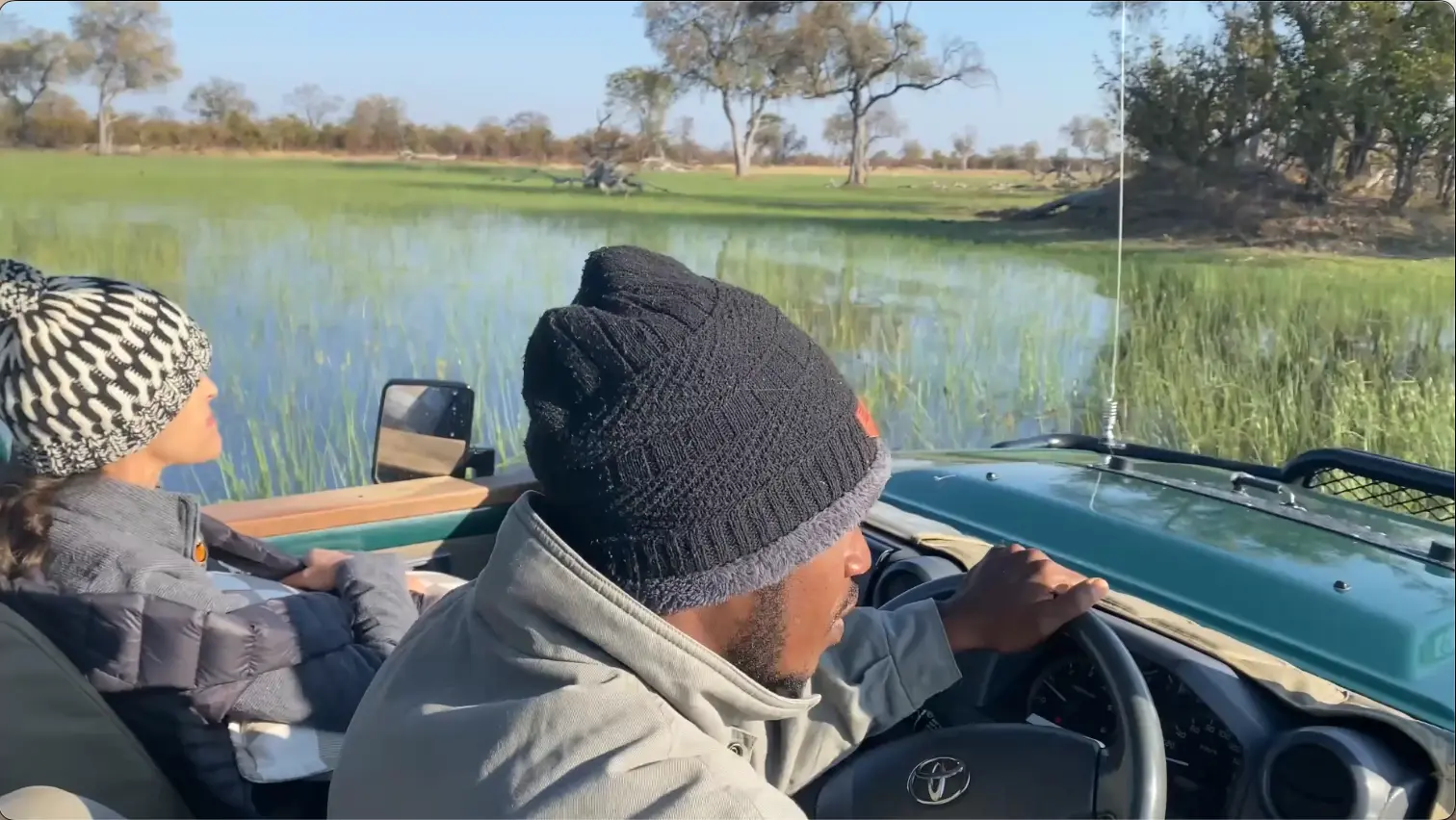
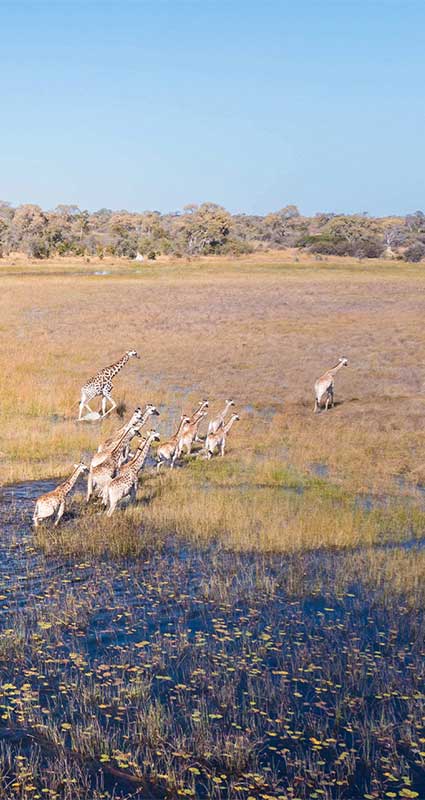

Selinda: Where the Spillway bridges two worlds
Selinda Reserve at a glance:
Location: Northern Botswana, between Chobe National Park to the east and the Okavango to the south | Size: 129,500 hectares (1,350 km²) |
Access: Light aircraft via Maun or Kasane airports, both with direct flights from Johannesburg and Gaborone | Best time to visit: June–November (dry season; predators and wildlife at their most concentrated) |
Activities: Game drives, night drives, guided walks, off-road driving, boating, mokoro | Wildlife highlights: African wild dog, lion, leopard, cheetah, elephant, buffalo, hyena, honey badger |
Why visit Selinda Reserve?
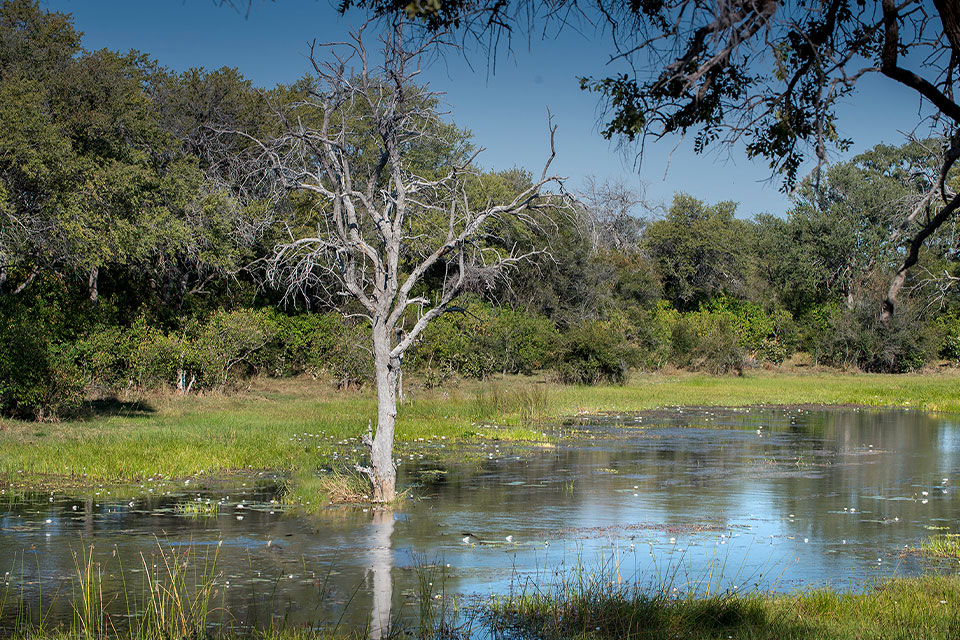
The Selinda Reserve sits in one of the most compelling corridors in northern Botswana — a 129,500-hectare private wilderness positioned between Chobe National Park to the east and the Okavango Delta to the south. At its heart runs the Selinda Spillway, also known as the Magwegquana: a water channel that connects the Okavango Delta to the west with the Linyanti and Kwando waterbodies to the east. In years when the spillway flows, it is one of the most dramatic natural features in all of Botswana — a living link between two of Africa's greatest freshwater systems.
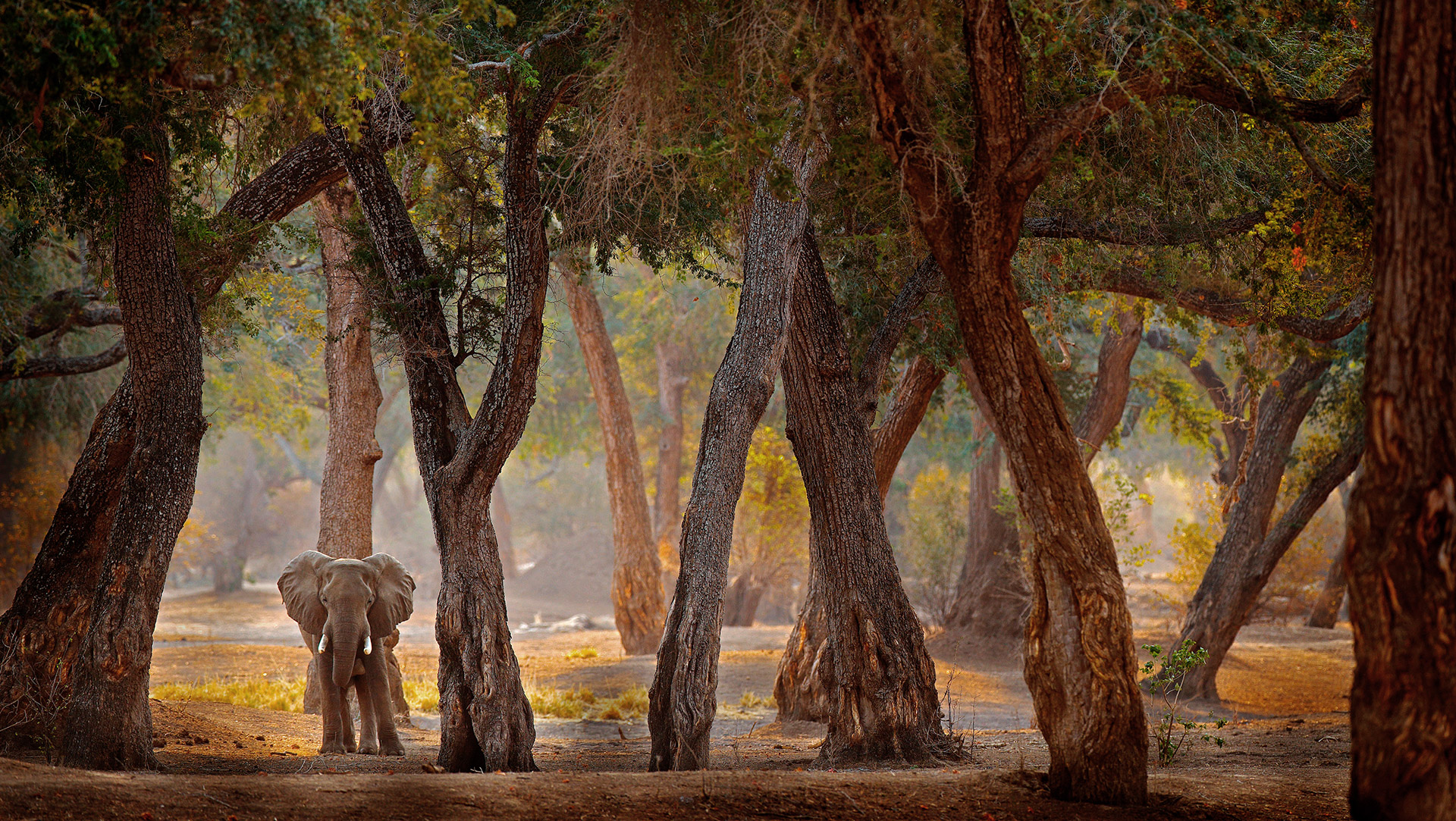
What fills the reserve is equally remarkable. Elephant and buffalo crowd the spillway's banks when the water runs. Leopards sleep in the trees. Lions, hyenas, and cheetahs work the grasslands. And threading through all of it, the African wild dog, one of the continent's most endangered and most riveting predators, ranges freely across the reserve's savannahs and marshes.
Tourism here is not an extractive exercise. It is designed to support the ecosystem and the people connected to it. The small number of camps within the reserve is deliberate — ensuring that visitors are few, encounters are unshared, and the animals experience minimal pressure.
The result is a safari experience defined by the things that have become genuinely difficult to find: silence, space, predator sightings without a crowd of vehicles, and the particular quality of light that comes with knowing you are somewhere remote, wild, and carefully protected.
5 Reasons We Love Selinda Reserve
The Selinda Spillway, a natural wonder: The Selinda Spillway (Magwegquana) is a dry riverbed and occasional water channel that connects the Okavango Delta to the Linyanti Swamps and Kwando wetlands. When water flows through it, the transformation of the landscape is extraordinary.
A predator stronghold in the dry season: Selinda is specifically noted by our safari experts as "particularly well-known in the dry season for its predators." Lion, leopard, wild dog and cheetah are all resident and reliably encountered, particularly between June and November when vegetation thins and wildlife concentrates.
African wild dog: a signature species: The reserve is sometimes described as "the endangered wild dog's backyard." Off-road driving, permitted as a private reserve, makes following wild dog packs on the hunt a genuine and recurring possibility for guests.
Mokoro & boat safaris: There is no better way to appreciate this special place than drifting along the waterways, silently observing relaxed wildlife while sipping your favourite sundowner beverage.
Ultimate exclusivity: Three lodges in such a vast area translates into unhurried wildlife encounters and not seeing anyone else while out on game drive; the ultimate luxury in today's crowded world.
All you need to know about Selinda Reserve
About Selinda Reserve
Selinda Reserve covers 129,500 hectares (1,350 km²) in the far north of Botswana, occupying a position between Chobe National Park to the east and the Okavango to the south. This wildlife-rich ecosystem rivals the physical beauty of the Okavango Delta. The reserve's landscapes encompass the Selinda Spillway, dense marshes, riverine woodlands, and sprawling savannahs. The Spillway (Magwegquana) is its defining geographic feature: a dry riverbed or flowing channel that connects the Okavango Delta's eastern waterbodies to the Linyanti Swamps and Kwando wetlands. The reserve is part of the Great Plains Conservation initiative and is accessible only by light aircraft from Maun or Kasane, both of which are served by direct flights from Johannesburg and Gaborone. Camps within the reserve are intentionally few, ensuring that visitor numbers remain low and the wildlife experiences proportionally intimate.
Things to do in Selinda Reserve
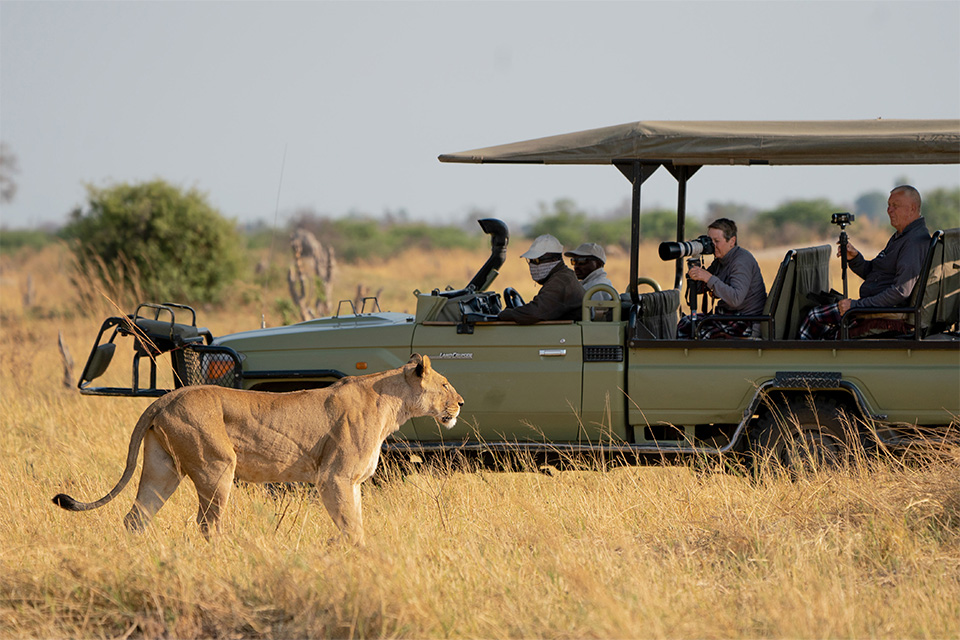
Day and night game drives: Morning and evening drives form the foundation of any stay. The dry season concentrates wildlife and predators, making June through November the most productive period. Night drives are available within the reserve and reveal a different dimension of the ecosystem, allowing sightings of nocturnal specialists such as wild cats, honey badgers, and springhare. Off-road driving is permitted in Selinda, a specific advantage over national parks. This is particularly valuable when following African wild dog packs on the hunt.
Guided walking safaris: Expert-led walks through the riverine woodland and marshland margins offer a direct, embodied engagement with the landscape and its ecology. Walking in the bushveld with an experienced guide is a great way to learn about the details of nature - the tell-tale signs that animals leave when they pass by, and evidence of violent encounters between predators and prey. Be alert to the sounds and smells we miss on game drive - a thrilling experience.
Water safaris: Boat and mokoro safaris, when water levels permit, are a fantastic way to view wildlife without disturbing them. Mokoros are traditional dugout canoes propelled by an expert poler. Glide down water channels and view life from a unique low perspective (great for photography!) as you look out for colourful birds, fish, frogs, and rarely seen species such as otters and sitatungas.
What wildlife will I see in Selinda Reserve?
African wild dog (painted wolf): Selinda Reserve has healthy populations of endangered wild dogs, and off-road driving and the reserve's open terrain make actively following packs possible. Wild dogs are considered a signature species of this reserve.
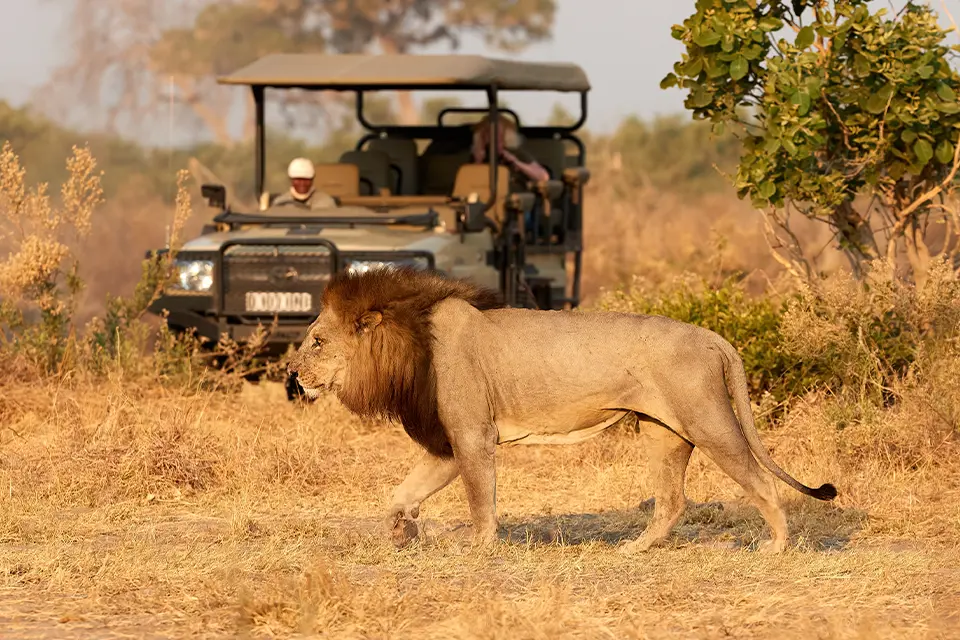
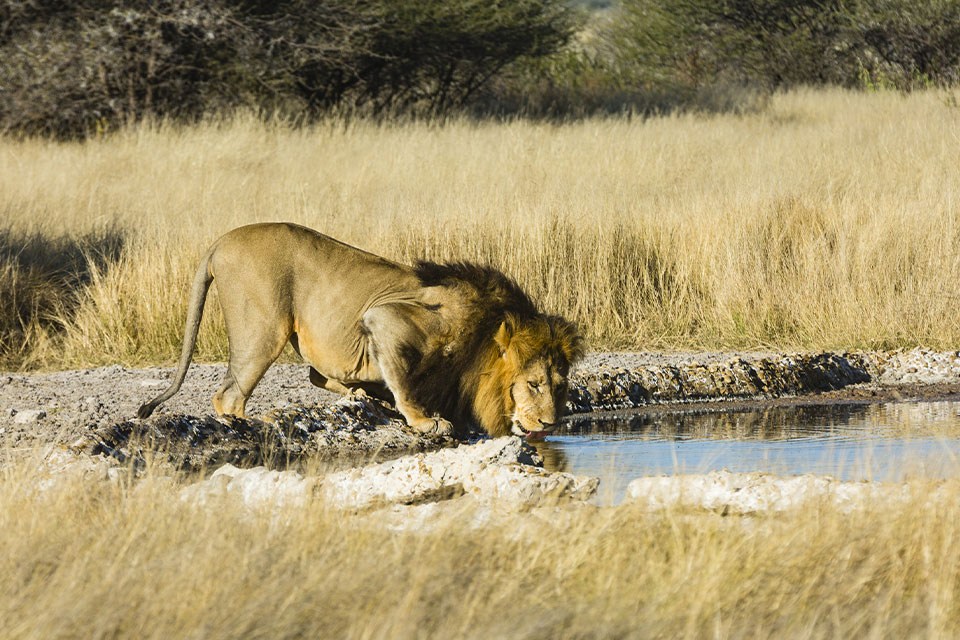
Lion, leopard, and cheetah: All three resident predators are well-represented, especially during the dry season. Leopards are associated with the wooded areas; cheetahs favour the more open savannahs; lions are widely distributed across the reserve.
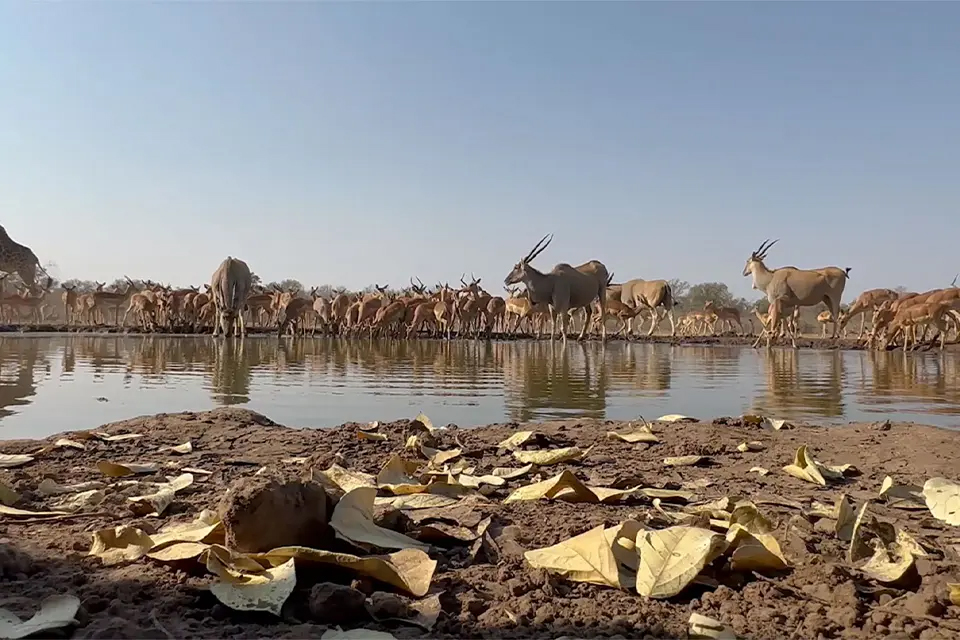
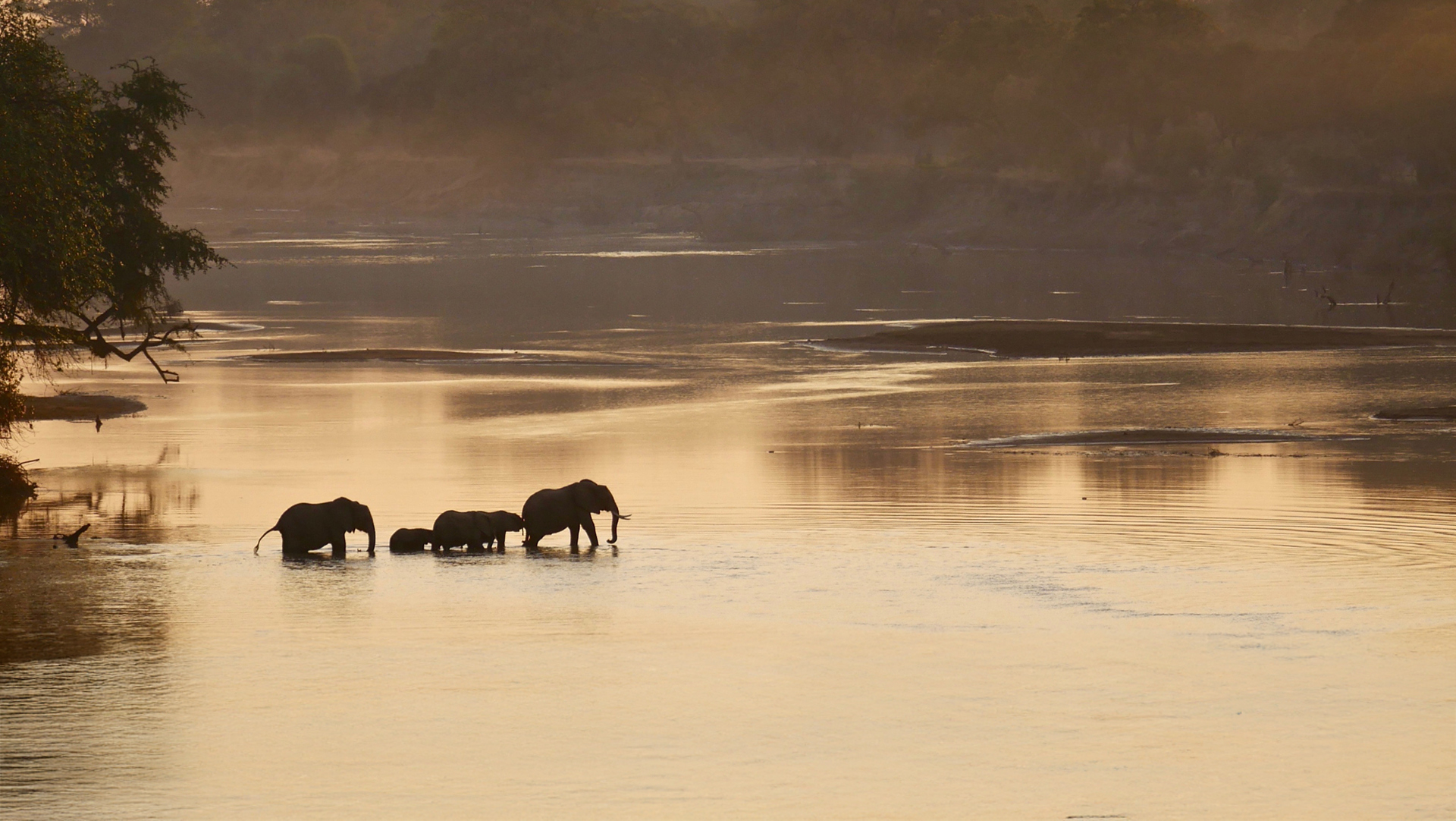
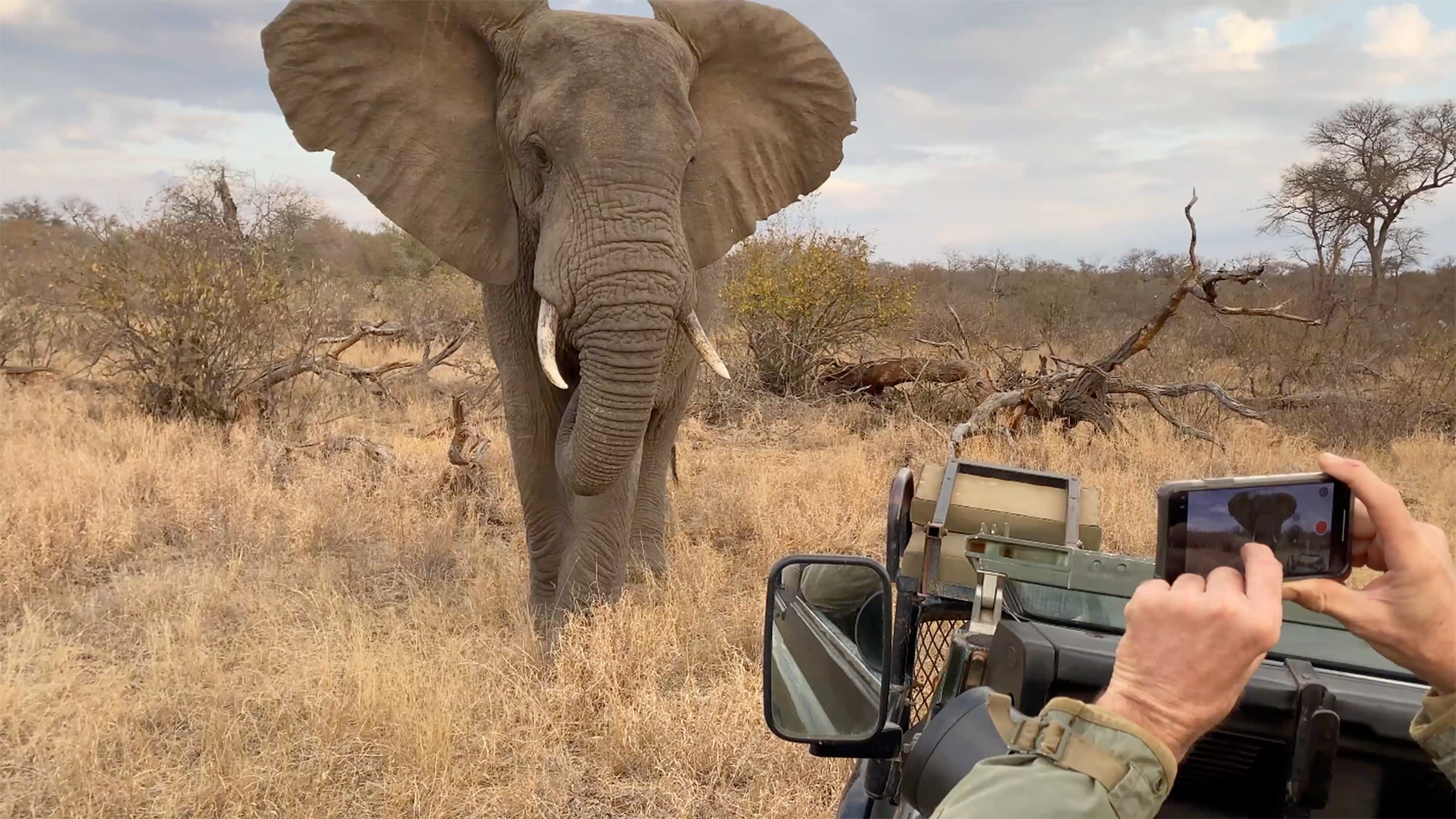
Elephant and buffalo: Selinda's permanent and seasonal water sources draw high concentrations of elephants and buffalo during the dry season.
Hyena, springhare, wild cat, and honey badger: Commonly encountered species during night drives.
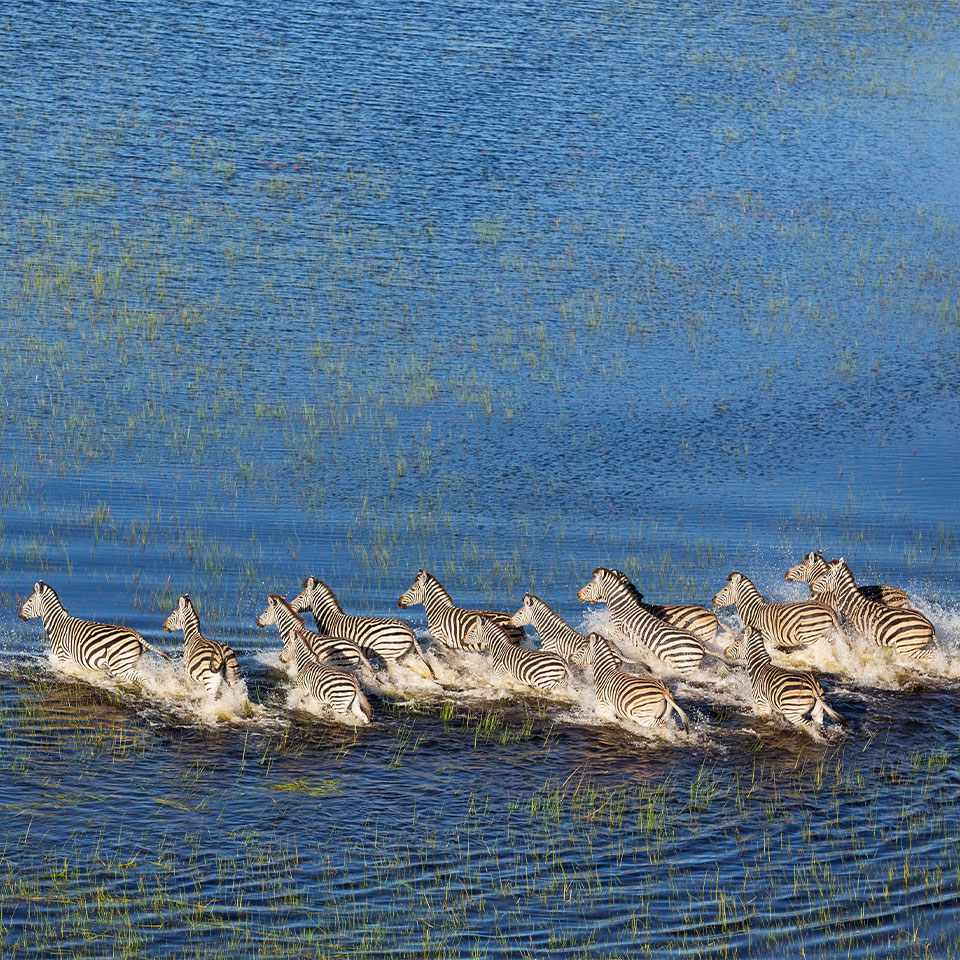
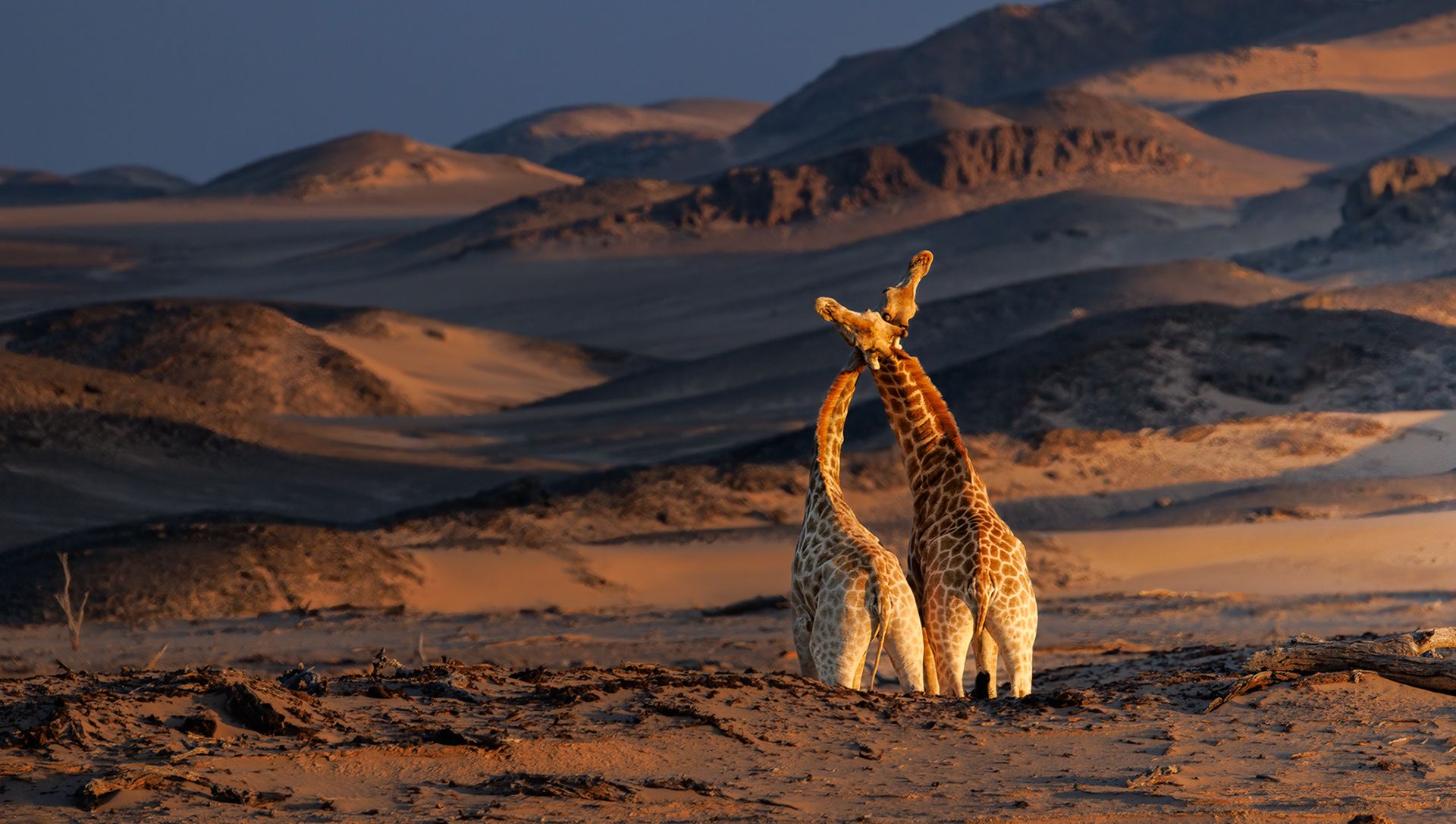
Common species include waterbuck, reedbuck, impala, kudu, giraffe, wildebeest, zebra, warthog, and baboon, while the shy sitatunga is occasionally encountered.
Birding: Selinda has approximately 300 bird species, with the summer rainy season the best time for migratory species and breeding displays.
Where to stay in Selinda Reserve
Zarafa Camp and the annex exclusive-use villa, The Dhow Suite, is an ultra-luxury lodge overlooking the wildlife-rich Zibadianja Lagoon. Evoking the romance of a bygone "campaign-style" era with decadence, featuring massive, open-air canvas tents with private wrap-around decks with plunge pools, and opulent interiors rich with deep leather, Persian rugs, and handcrafted copper claw-foot bathtubs.
Selinda Camp and the annex exclusive-use villa, Selinda Suite, combine sleek, modern elegance with the raw romance of the bush. The lodge offers an airy, ultra-luxury thatched-roof design that features expansive open-plan canvas suites, private plunge pools, and deep indoor brass bathtubs, all meticulously styled with textured woods, fine linens, and striking safari-chic accents, with direct views of the Selinda Spillway floodplains.
Selinda Explorers Camp, capturing the raw, authentic spirit of early East African expeditions, offers a beautifully understated, "vintage-safari" decadence. The camp features large walk-in canvas tents styled with campaign-style folding furniture, brass washbasins, and Persian rugs, where the true luxury lies in a deeply intimate, close-to-nature atmosphere centred around open-air bucket showers and starlit dining right on the banks of the spillway.
Trusted by thousands of ecstatic travellers
✔️ 5-Star Trustpilot Rating ✔️ Condé Nast Travel Specialist Award Winner
✔️ Accredited by SATSA ✔️ 5,000+ Exceptional Safaris Since 1991
Why choose Africa Geographic to plan your safari?

"We had an amazing trip perfectly organised by Africa Geographic: everything was superb! Great places to sleep, delicious food, experienced guides and drivers, stunning wildlife, well organised transfers and flights ... a wonderful experience!!"

"Africa Geographic was amazing to work with. They take the time to listen to you and understand what you are looking for from this sometimes once in a lifetime experience. They are professional, courteous, friendly and with you every step of the way. Their job does not end until you are home. If I could give them more than 5 stars I would!"

"AG arranged the perfect trip to Botswana for my family. The consultant really listened to our brief and arranged an awesome itinerary within our budget ... Organising the trip was also easy with good communication and support. I have travelled a lot and this would be one of my greatest travel experiences. Thanks Africa Geographic for organising it!"
Wish you were here?
Frequently asked questions
Selinda Reserve is a 129,500-hectare private wilderness reserve in the far north of Botswana, positioned between Chobe National Park to the east and the Okavango to the south. It is part of the Great Plains Conservation initiative and is known for its wild dog population, predator concentration in the dry season, and the Selinda Spillway (Magwegquana), a water channel that connects the Okavango Delta to the west with the Linyanti and Kwando waterbodies to the east. Access is by light aircraft only. A small number of camps ensures low visitor numbers and an intimate, exclusive experience.
The Selinda Spillway, also known as the Magwegquana, is a natural water channel and dry riverbed that connects the Okavango Delta to the Linyanti Swamps and Kwando wetlands. It runs through the Selinda Reserve and is one of its most distinctive geographic features.
The dry season, usually June through November, is when Selinda's wildlife concentrations are at their peak. As vegetation thins and water becomes scarce, elephant and buffalo gather around permanent sources, and predator activity intensifies. September and October are the best times to visit Selinda Reserve, although the temperatures can be high. The rainy season (usually late November to March) brings green scenery, active birding, and lower visitor numbers, but dispersed wildlife and fewer predator sightings.
Selinda is sometimes described as the African wild dog's backyard, and the reserve's permission for off-road driving makes actively following packs a realistic prospect. Lion, leopard, and cheetah are all resident, and Selinda is specifically noted for its dry-season predator concentration. Elephant and buffalo crowd the Spillway banks. Night drives reveal wild cat, honey badger, and springhare. Approximately 300 bird species have been recorded in the reserve, with the rainy season offering the most varied birding. Giraffe, zebra, wildebeest, impala, kudu, waterbuck, reedbuck, warthog, and baboon are among the plains species present.
The combination of a large, stable population of wild dogs, open savannah terrain, permission for off-road driving, and the reserve's low visitor density makes following wild dog packs a genuine and recurring activity. The reserve's position in the unfenced northern corridor allows packs to range widely, and the open plains make vehicle pursuit possible in a way that densely wooded reserves do not.
Selinda offers game drives by day and night, guided walking safaris, and water safaris on a motorboat or mokoro (a traditional dugout canoe). As a private reserve, Selinda permits off-road driving and night drives not available in adjacent national parks.
Selinda Reserve is accessible only by light aircraft. The two access points are Maun Airport and Kasane Airport, both of which have direct flights from Johannesburg and Gaborone. From either airport, guests connect via a charter flight to one of the private airstrips within or adjacent to the reserve. Africa Geographic handles all flight logistics as part of any booked Selinda itinerary.
There are three camps within the Selinda Reserve: Zarafa Camp (with an associated exclusive-use villa called The Dhow Suite), Selinda Camp (with an associated exclusive-use villa called Selinda Suite) and Selinda Explorers Camp. Zarafa is the most luxurious, followed by Selinda Camp and then Selinda Explorers Camp.
Yes, Selinda's position makes it a natural fit within a northern Botswana circuit. It is a short flight from many Okavango Delta lodges, and with lodges in the nearby Kwando–Linyanti corridor. The reserve's geographic character, dry open plains split by the meandering Spillway, contrasting with the Delta's dense waterways, makes the contrast particularly rewarding. We regularly design multi-destination Botswana itineraries that include Selinda.
Selinda Camp specifically caters for photographers. The combination of low visitor numbers (few vehicles at any sighting), off-road driving permission, predator concentration in the dry season, and the varied habitats around the Spillway creates strong photographic conditions. Selinda Explorers Camp also attracts photographers seeking water-level perspectives.
Selinda forms part of one of Botswana's most successful private conservation models. Revenue from low-impact tourism helps protect a vast wildlife corridor that supports wide-ranging species such as elephants, lions and African wild dogs while creating employment opportunities for neighbouring communities. In addition, by booking with Africa Geographic, you help us donate much-needed funds to various conservation projects in Africa.
Our safaris typically cost from US$1,000 per person, per night, depending on the accommodation comfort level, time of year and activities. This price usually includes accommodation, all meals, game drives, experienced guides, airport transfers, and 24/7 support from our team.
You only make your first payment when you book your holiday. Your second (last) payment is about 105 days before you travel.
Peak season bookings require 12–18 months of advance planning. Trips outside of peak season can be arranged 6–9 months ahead, with better rates and availability.
All payments are processed through Flywire, a leading international payment gateway with high security standards. Contact us for a tailored quote.
Click here to schedule a no-obligation call with one of our Safari Experts or fill in our 2-minute form with your questions. Our team of experts are here to help! Whether you’re curious about the best time to travel, want to hear first-hand about an experience or need help planning your safari.
Explore more African destinations
Start planning your dream safari
Our travel experts will craft a no-obligation itinerary just for you. We have crafted over 5,000 safaris since 1991. Your personal details are protected; we only use this information to contact you.
Why book your safari with us?

Deep Experience & Knowledge
Handcrafted experiential safaris since 1991.
Travel in Africa is about knowing when and where to go, and with whom. A few weeks too early/late or a few kilometres off course, and you could miss the greatest show on Earth. And wouldn’t that be a pity?

Trust & Safety

Make A Difference
We donate a portion of the revenue from every safari sold to carefully selected conservation projects that make a significant difference at ground level.
YOUR safari choice does make a difference - thank you!