
Tailor-made safaris. Since 1991



When to visit the Okavango Delta, a month-by-month breakdown
The first sign of the flood is never dramatic. Water begins flowing quietly into channels that have been dry for months. Papyrus beds push further into the floodplains. Then, slowly, the Okavango Delta expands outward across grasslands and through ancient waterways, and lions, wild dogs and elephants follow the water as it rewrites the map beneath them. What makes this transformation so easy to miss is its timing: this flood arrives not with the rains, but months later, in the dead of Botswana's dry season. Water that fell over the Angolan highlands back in the wet summer months takes four to five months to travel south, reaching the Delta's channels just as the rest of the country turns to dust. That single quirk of geography is why June through August typically deliver both the fullest floodplains and the densest wildlife of the year, and why getting your dates right means understanding water, wildlife and cost together, not in isolation. This guide works through each month in turn, so the trade-offs for each date are clear before you book.
The short answer for time-pressed travellers
July and August combine peak floodwater with peak wildlife concentration
April to June bring rising water at lower prices than the winter peak
September and October concentrate wildlife around shrinking channels
December to March deliver green season birdlife at the lowest prices
There is no single correct month. The right one depends on whether mokoro access, dry-land wildlife activities, birding or budget matters most to your trip, and how far in advance you can book.
Okavango Delta month by month at a glance
This grid tracks the three factors that shape your experience: how much water is in the system, what that means for wildlife and activities, and how prices typically change through the year.
Month | Water level | Wildlife and activities | Relative cost |
January | Low, rains arriving locally | Wildlife dispersed; green vistas and newborn antelope | Lowest |
February | Low, still rising slowly | Strong birding season as migrants remain present | Lowest |
March | Low to rising | Local rain pools spread wildlife widely across the floodplains | Low |
April | Floodwaters begin arriving from Angola in the northern Okavango | Vegetation thinning; wildlife sightings improving daily | Shoulder |
May | Rising steadily, moving south | Mokoro access opening up; dry-land drives strengthening | Shoulder |
June | Approaching peak | Wildlife concentrating near channels; wild dog denning begins | Peak |
July | At or near peak | Excellent water-based and land-based activities | Peak |
August | At or near peak | Prime wildlife viewing; wild dog pups active near dens | Peak |
September | Beginning to recede | High wildlife concentrations around shrinking channels | Peak |
October | Lowest of the dry season | Dramatic predator action at remaining water sources | Peak to shoulder |
November | Lowest annual levels | First storms scatter wildlife; quieter lodges | Shoulder to low |
December | Low, rains established | Green season birdlife and dispersed wildlife sightings | Lowest |
Botswana safaris we love
Three Africa Geographic itineraries built around the Delta's seasonal strengths, from peak flood luxury to the dry-to-wet contrast of Botswana's wider wilderness.
Classic Botswana Big 5 safari: A dry-season itinerary timed for the Delta's peak wildlife concentration, combining private concessions with strong Big 5 odds. View safari →
Southern Africa wild dog safari: Built around the June to September denning season, when packs stay close to their dens in the game-rich heart of the Delta. Explore this safari →
From desert to delta: Pairs the arid Kalahari with the flooded Okavango in one trip, a direct way to experience both ends of the water-level scale. See this safari →
Peak flood months: June to September
Water levels and wildlife
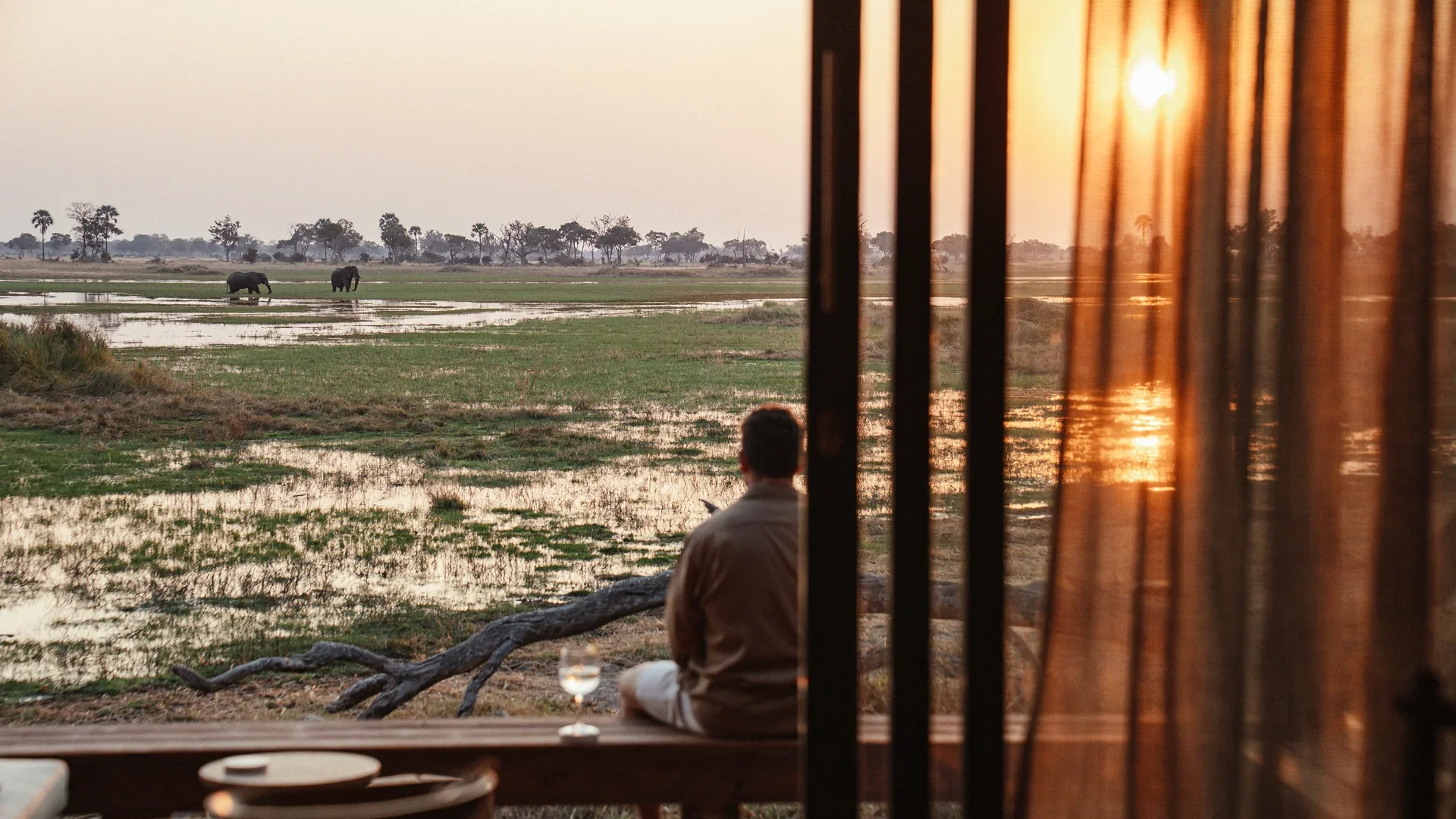
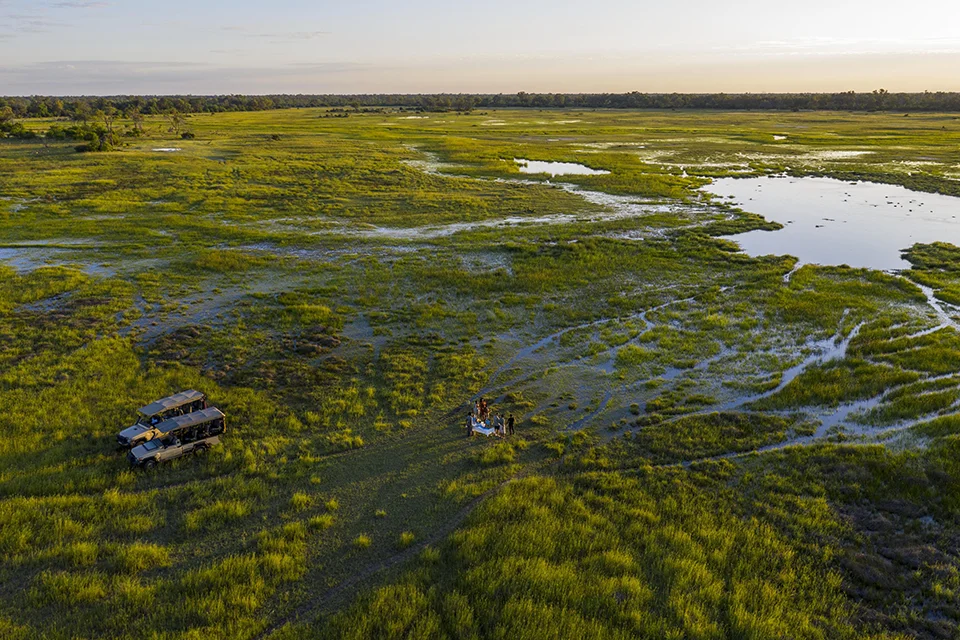
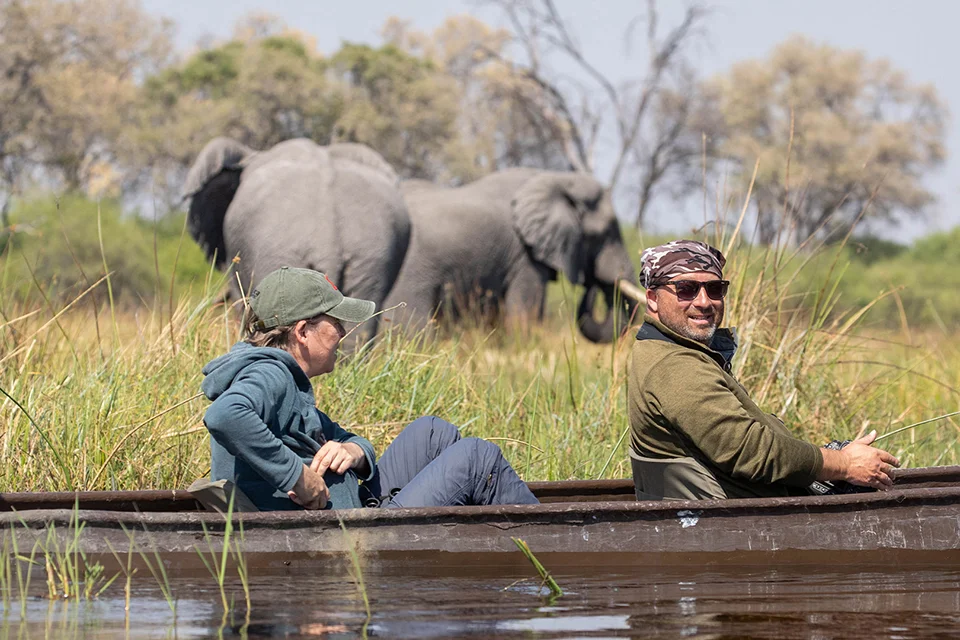
This is the Delta at its fullest expression. Channels that were dry sandy tracks in autumn become navigable waterways, islands form across the floodplains, and wildlife funnels toward the remaining dry ground and water's edge in concentrations not seen at other times of year. As Botswana safari expert Stefan Winterboer describes it, “It's the Delta's smell that stays with you – wet, healthy, colourful, alive and slightly spicy. A rare mix found nowhere else.” Khwai and the private concessions around Moremi are particularly strong during these months, with both water-based and dry-land wildlife activities running side by side.
Who peak season suits
Travellers prioritising the highest wildlife concentration of the year
Those wanting both mokoro trips and dry-land wildlife activities in one stay
Wild dog enthusiasts, as denning season runs from June to August
Photographers seeking water reflections alongside dry-season visibility
Travellers able to book well ahead and pay peak season prices
First-time visitors wanting the most reliable, classic Delta experience
Hot tip: speak to an expert
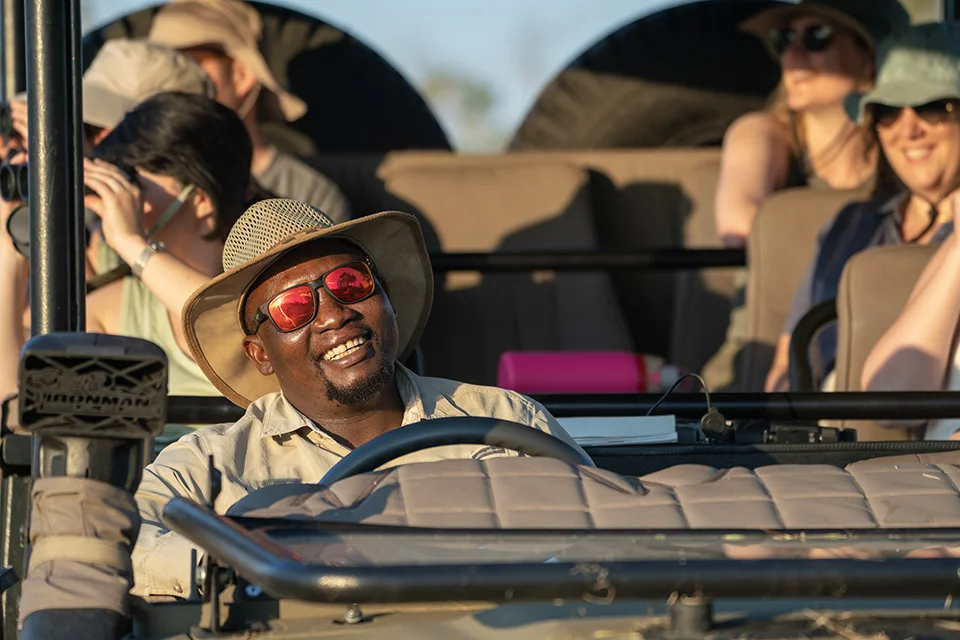
Because flood timing depends on rainfall hundreds of kilometres away, the exact week of peak flood shifts from year to year. Lodges and our safari experts track water levels closely each season, and dates can be adjusted to land on strong water for mokoro-based stays or firmer ground for walking-focused itineraries.
Green season value: December to March
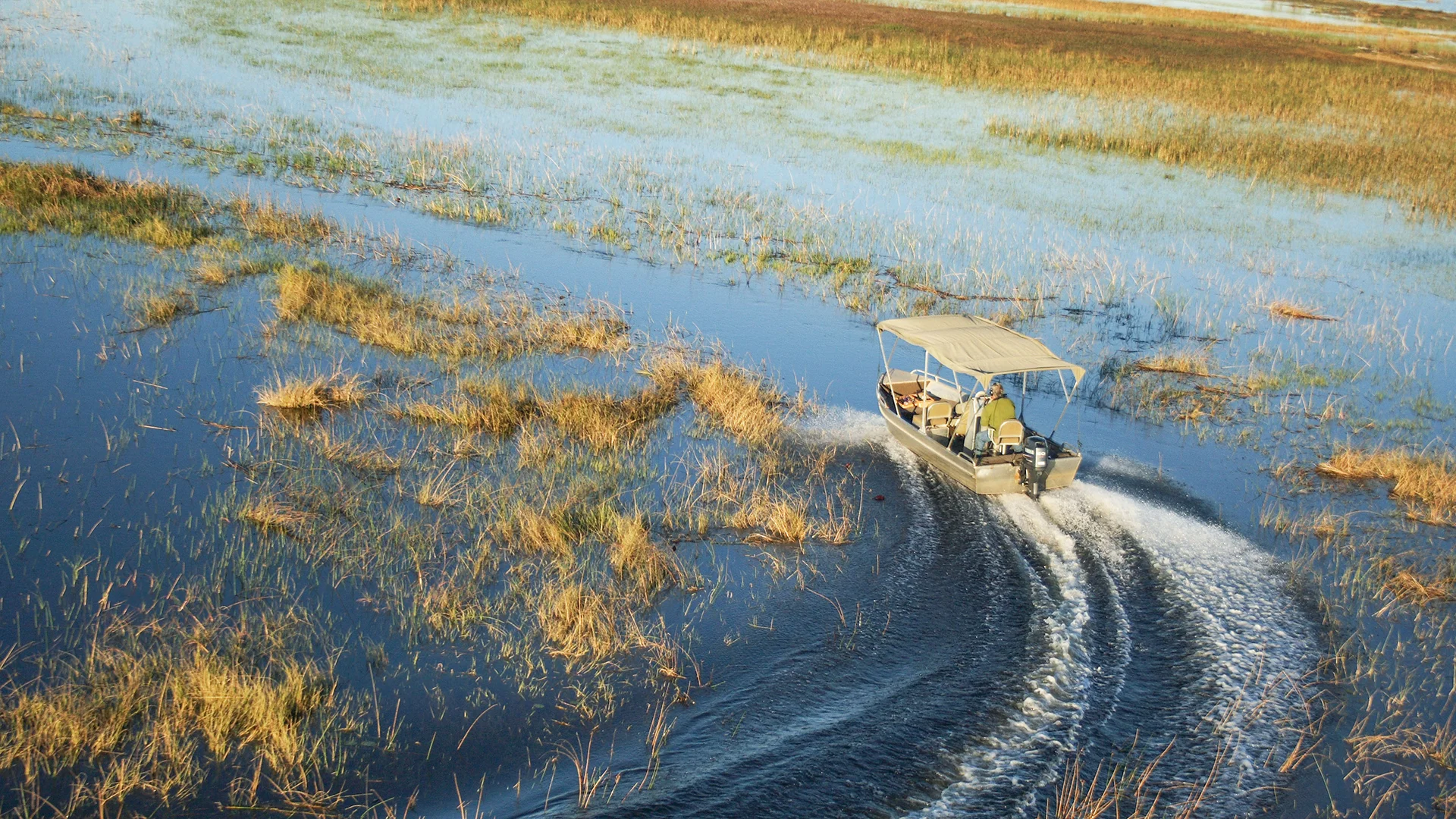
Water levels are at their lowest during these months, before the Angola floodwaters arrive, while local summer rains fall over Botswana. Afternoon storms are typically short and dramatic rather than constant, and prices across this period are the lowest of the year, with shoulder-season discounts often extending into early March.
Wildlife and birding
Wildlife disperses widely across the freshly green floodplains, so sightings take more patience than in peak months, but this is when impala, wildebeest and other antelope give birth, drawing predators that follow the calving herds. Migrant bird species are present in numbers, making this the strongest birding window of the year.
Who green season suits
Birdwatchers prioritising migrant species over Big 5 density
Budget-conscious travellers wanting Delta access at lower prices
Photographers after dramatic skies and lush, green landscapes
Repeat visitors who have already experienced the dry-season peak
Travellers comfortable with shorter, more variable rain showers
Those wanting quieter lodges with fewer fellow guests
Wish you were here?
Shoulder months worth booking: April, May, October and November
April and May
Floodwaters are arriving and rising through these months, vegetation is thinning after the rains, and wildlife sightings improve week on week. Mokoro access opens up progressively as channels fill, while prices remain below peak-season prices, making this a strong value window for travellers who want rising water without paying for the absolute peak.
October and November
October is typically the hottest and driest month of the year, with wildlife forced into tight concentrations around the last remaining water sources, producing some of the most dramatic predator sightings of any season. November brings the first storms, water levels at their lowest point before the cycle begins again, and a rapid shift as wildlife starts to disperse once the rains take hold.
Frequently asked questions
The Okavango Delta floods during Botswana's dry winter, not its rainy season, because floodwater takes months to travel from Angola's highlands. Water levels peak between June and September, the same months that bring the highest concentrations of wildlife and the highest prices. December to March is the cheaper, greener, low-water season, while April, May, October and November offer a working compromise between cost and water access.
July and August typically combine peak floodwater with exceptional wildlife concentration, making them the most popular months. June and September run a close second, with similarly strong wildlife activity. October is for the true connoisseur, with intense wildlife action but high temperatures. The ideal month ultimately depends on whether you prioritise water-based activities, dry-land wildlife viewing or budget.
Floodwater originates as summer rainfall over the Angolan highlands, hundreds of kilometres north. It takes around four to five months to travel south across a near-flat gradient, arriving in the Delta's channels and floodplains just as Botswana's own dry season begins, which is why peak flood and peak dry season coincide.
Mokoro access depends on water levels rather than the calendar. Channels typically hold enough water for mokoro trips from around April through October, with the strongest access during the June to September flood peak. During the low-water months of November to March, lodges shift toward vehicle-based wildlife activities.
Yes, for travellers prioritising birdlife, photography or value over guaranteed wildlife density. December to March brings migrant birds, newborn antelope and the lowest prices of the year, though wildlife is more dispersed across the green floodplains than during the dry-season peak.
Wild dog denning season runs from roughly June to August, when packs stay close to a fixed den site and sightings become more predictable. Pups become mobile and follow the pack on hunts from September into October, offering a different but equally rewarding viewing window.
For July, August, September and most of October, our safari experts recommend booking eight to twelve months ahead, particularly for smaller lodges with limited rooms. April and May shoulder typically need four to six months' notice, while November and the green season months can often be booked with shorter lead times.
Start planning your dream safari
Our travel experts will craft a no-obligation itinerary just for you. We have crafted over 5,000 safaris since 1991. Your personal details are protected; we only use this information to contact you.
Why book your safari with us?

Deep Experience & Knowledge
Handcrafted experiential safaris since 1991.
Travel in Africa is about knowing when and where to go, and with whom. A few weeks too early/late or a few kilometres off course, and you could miss the greatest show on Earth. And wouldn’t that be a pity?

Trust & Safety

Make A Difference
We donate a portion of the revenue from every safari sold to carefully selected conservation projects that make a significant difference at ground level.
YOUR safari choice does make a difference - thank you!