

Safari experts & storytellers. Since 1991

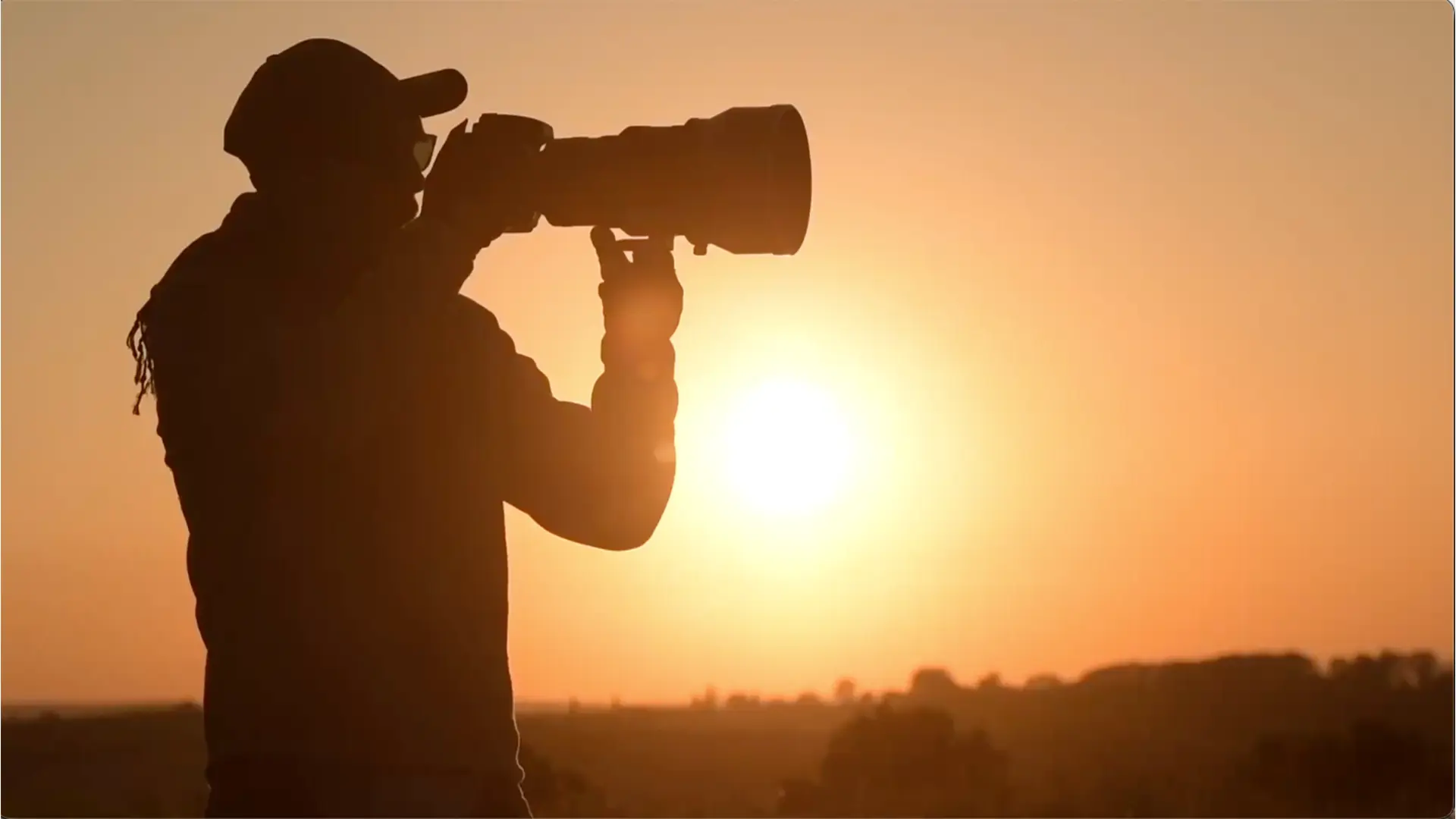
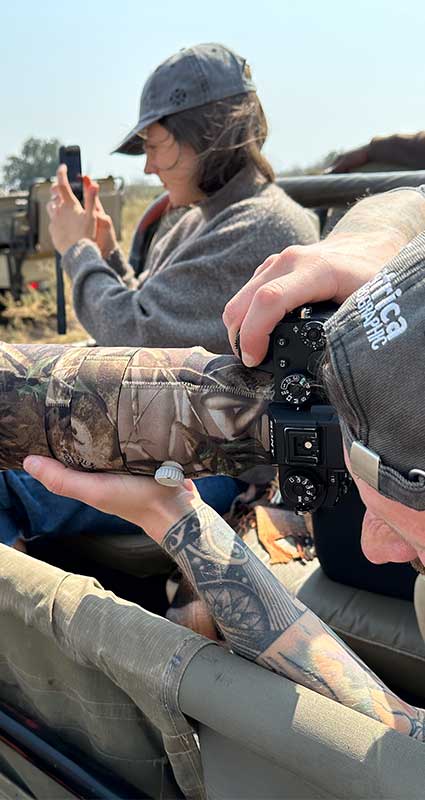

Wildlife photographic safaris – create better memories
Taking stunning photos while on safari adds immeasurably to your enjoyment and memories. Choosing the best locations and wildlife encounters is an important aspect of the goal of taking better photos. Talk to us about extended time at sightings, customised vehicle setups, and small-group intimacy that prioritises photographic opportunities.
The better you become at wildlife photography, the better you will understand light, composition, and the patience needed for that once-in-a-lifetime shot. You’ll learn how to anticipate behaviour, frame dramatic moments, and make the most of golden-hour light, all while exploring prime photographic locations. You’ll also gain insights into post-processing techniques and image storytelling.
To speed up your growth as a photographer, you could choose a safari guided by a professional photographer. Seasoned pros like Arnfinn Johansen, Chad Cocking and Greg du Toit offer an incredible opportunity to elevate your photography skills. Working in the field with them together enables hands-on learning and feedback, transforming your technical and creative approach. Ultimately, the experience enhances your wildlife photography, your confidence, and your ability to capture unique, high-impact moments in any setting.
Our favourite photographic safari ideas
Why book with us?
Tailor-made experiential safaris - with love
"Travel in Africa is about knowing what, when and where to go - a few weeks too early/late or a few kilometres off course, and you could miss the Greatest Show on Earth. And wouldn’t that be a pity?
Our crew of passionate safari experts have lived and worked in Africa for most of their lives. Trust us to find you the rarest animals, the most spectacular wildlife events, the remotest landscapes and deeply meaningful cultural encounters!"
Simon Espley - CEO, Africa Geographic
All you need to know about photographic safaris
6 essentials to pack for your photographic safari
This list is highly flexible and depends on your level of interest in photography. Our CEO enjoys these guided safaris armed with only his iPhone! You can also rent camera equipment from many reputable outlets.
One camera body, a telephoto zoom lens and a wide/standard lens. Professionals and hardcore amateur photographers suggest 2 camera bodies (one for backup and to have both a telephoto and close-up lens permanently mounted), but one camera body is perfect for most people.
Bring an empty bean bag with a zippered opening to be filled with rice or sand upon arrival. Tri- and monopods are nice to have but are seldom used on safari, although tripods are used for low-light landscape photography.
Pack more batteries and memory cards than you think you need.
Backup is an essential part of your daily routine, so pack a laptop and a few external drives.
African conditions can be harsh, so bring protection against dust and water, as well as a good cleaning kit.
Pack it all in a high-quality soft-sided camera bag. Pelican cases provide excellent protection but are heavy and difficult to pack into the holds of small aeroplanes.
Photographer lodges
The choice of lodges for our photographer-guided safaris is determined by the safari's focus and the guide's location and requirements. Some are located near natural events, such as the Great Migration, and others feature underground or above-ground photographic hides (examples include Zimanga and Mashatu). We also handcraft trips with professional photographer-guides for single photographers or small groups who want to visit areas or lodges that do not offer photography-specific features. These include:
Luxury safari lodges: Thoughtfully designed lodges and bush camps that disappear into the landscape, offering canvas pavilions with hardwood floors, en-suite bathrooms, and private decks overlooking untouched wilderness. Each accommodation tells a story of place.
Seasonal luxury camps: For the ultimate in exclusivity, these bush camps open seasonally to be best positioned for wildlife migrations or to be located in areas inaccessible to permanent structures, offering front-row seats to nature's greatest spectacles.
Private safari villas (for groups): Exclusive sanctuaries for 6-8 guests with dedicated staff, including private guides, chefs, and hosts. These offer complete flexibility in timing, routing, and experiences – the epitome of bespoke safari travel.
Go on safari with a professional photographer
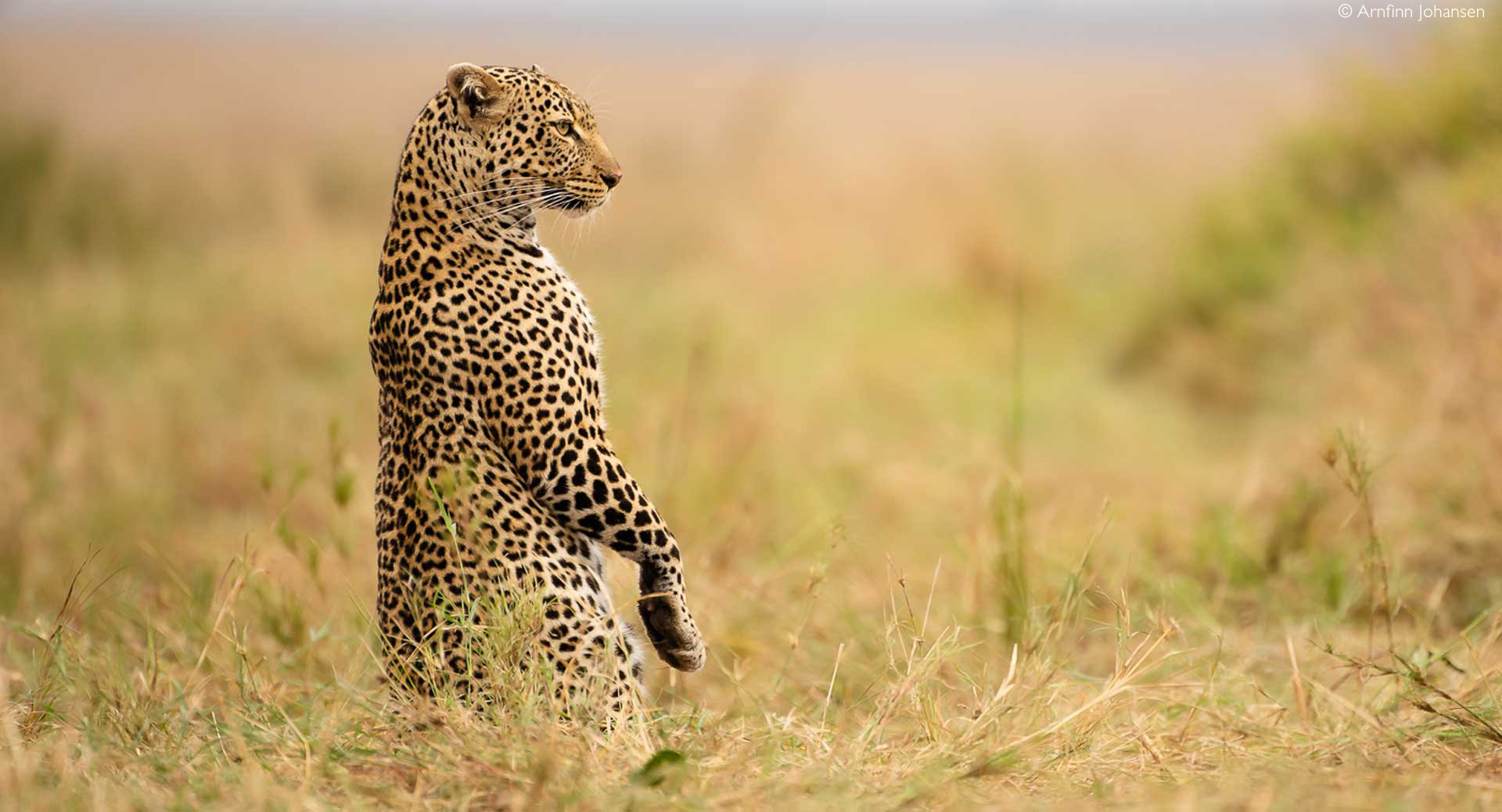
Maasai Mara specialist photographic safari
20-28 November 2026 - from US$ 10,185 per person sharing
Learn from the best to fine-tune your photography in the beauty of Mara - four guests only!
For this Maasai Mara safari, your small team will benefit from a specially modified photographer’s vehicle and enjoy the company of guides who live in and understand the Maasai Mara ecosystem intimately - giving you the best chance to obtain those unique photos that have us all green with envy.
Your basecamp – Oltepesi Tented Safari Camp – is in a Maasai village, offering a unique and authentic insight into the traditional lives of these pastoralists. This unique safari offers genuine empowerment for local people and helps conserve the greater Serengeti/Maasai Mara ecosystem. There are no fences between the park and the community land, and wildlife roams throughout the area.
Trusted by thousands of ecstatic travellers
✔️ 5-Star Trustpilot Rating ✔️ Condé Nast Travel Specialist Award Winner
✔️ Accredited by SATSA ✔️ 5,000+ Exceptional Safaris Since 1991
Why choose Africa Geographic to plan your safari?

As a photographer, I have been interested in wide and hook-lipped (black) rhinos in different conservancies and in meeting some of the last remaining supertuskers in Amboseli, etc. My dreams came true. And at Ol Pejeta Tented Camp, a special camp for photographers, I had amazing adventures.
A stunning week in all respects ... Oltepesi is an understated camp in the Maasai community - accommodation clean, spacious, comfortable ... The guides were amazing, tireless and anticipated all the needs of a photographer. Professional photographer Arnfinn Johansen's knowledge and instruction were most valued. AG managed the trip superbly from beginning to end.
... The final camp was Tanda Tula in the Timbavati. I was guided by Chad Cocking who is great company and an accomplished photographer. He got me into some good positions at numerous sightings for some fantastic shots; leopards, wild dogs on kills, etc. I'm keen to repeat the visits to Zimanga, Tswalu and Tanda Tula.
Frequently asked questions
No, our safaris are for everyone with a love of photography, from beginners to keen amateurs and serious photographers who enter many photographic competitions.
Partners also enjoy the wildlife encounters and the time to take it all in as we wait for the leopard to come down from the tree or for the light to improve.
Much of the learning happens between guests, as they share experiences and ideas, in addition to what they learn from the photographer-guide.
No specific gear is required – our CEO joins these safaris with his iPhone. If you own a camera, a telephoto zoom (such as a 100–400mm or 200–600mm equivalent) and a standard or wide lens will cover most situations. Bring twice as many memory cards and batteries as you think you need.
Camera equipment can be hired from reputable outlets in Johannesburg, Nairobi and Cape Town before you travel.
Your photographer-guide will advise on settings and technique once you are in the field, regardless of what equipment you are using.
Yes, lessons usually take place in two ways. Firstly, while out taking photographs, your guide will provide suggestions on settings, technique, and timing. Then, upon returning to your lodge, there is time for private or group sessions to review your photos and discuss editing and other software options.
The timing of your trip to Africa depends on your expectations. Each season offers distinct advantages for the photographers, with unique lighting and compositional opportunities. Dry-season dust and smoke, versus wet-season clear skies that transform your photo into works of art.
Dry-season drama (May to mid-November): The classic safari season when wildlife congregates around permanent water sources, and predators are in action. Vegetation is sparse, making game viewing exceptional, and the weather is most comfortable for extended outdoor activities. The later in the dry season, the better the wildlife encounters will be, but be aware that temperatures can be very high in October and November.
Migration magic (timing varies by region): The great wildebeest migrations in East Africa and Zambia's Liuwa Plain offer once-in-a-lifetime spectacles, as do the zebra migrations in Botswana and the bat migration in Zambia's Kasanka, but timing is crucial and advance booking is essential for prime locations.
Green-season tranquillity (November to April): Often overlooked by conventional tourism, this period offers dramatic skies, newborn animals, resident predators, and spectacular birdlife, with the landscape transforming into an emerald paradise. Expect lower prices and fewer tourists.
Yes. We plan photographic safaris for solo travellers, couples and small groups. Some departures – such as our Maasai Mara specialist safari – are fixed small-group trips with a maximum of four guests. Others are fully tailor-made, where we build a private itinerary around your destinations, dates and photographic interests. Solo travellers often benefit from a private vehicle, which gives complete flexibility over timing and positioning at sightings.
Your needs as a photographer for good light happen to coincide with the best times to find wildlife. Each safari day follows the rhythms of the bush:
Dawn awakening (5:30-6:00 AM): Soft wake-up calls with steaming coffee or tea and freshly-baked biscuits delivered to your private deck. The African dawn is a sacred time – when the golden light begins to paint the landscape and nocturnal creatures make way for the day shift.
Morning game drive (6:00-10:00 AM): The prime wildlife hours when predators are active and the light is a photographer's gold. Your expert guide will navigate you through landscapes where every turn might reveal leopards draped in fever trees or elephants emerging from morning mist.
Midday sanctuary (10:00 AM-4:00 PM): The light is usually harsh or flat from late morning, so you will return to your lodge for an elaborate breakfast on your private deck. The midday hours are for restoration – perhaps a massage, a swim, or simply absorbing the sounds of the bush from your shaded veranda. Some camps offer cultural visits to local communities or guided walks. This is also the time to go over your photos and seek advice, or learn about editing techniques. Don't forget to back up your photos and charge your batteries during this time!
Afternoon departure (4:00-4:30 PM): Tea and homemade treats before your evening game drive. This is when the African light begins its legendary transformation toward the golden hour.
Evening game drive & sundowners (4:30-7:30 PM): As shadows lengthen, the bush awakens. Your drive may extend into darkness with spotlights revealing the nocturnal world - a privilege available only in private reserves.
Night's embrace (7:30 PM onward): Multi-course dinners under star-scattered skies, often around the campfire where stories are shared and the sounds of the African night provide an ever-changing soundtrack. Again, remember to back up your photos and charge your batteries overnight!
If you are carrying a large camera bag, it's best to chat with your safari expert about arranging for overweight carry-on luggage, especially on the small aeroplanes used to get you to remote lodges.
When it comes to checked-in luggage, although international flights may permit hard suitcases and higher luggage weight allowances, the small planes that fly into remote bushveld locations don’t. The luggage holds require soft luggage and cannot carry as much weight. It’s essential to plan your luggage and wardrobe and pack wisely.
Africa Geographic offers photographer-guided safaris led by professional wildlife photographers such as Greg du Toit, Chad Cocking and Arnfinn Johansen across Africa's prime locations, including the Maasai Mara, Timbavati, Kwandwe and Zimanga.
These differ from standard safaris in four key ways:
Extended time at sightings
Modified vehicles with professional camera mounts
Small groups of four to six guests
daily in-field coaching plus post-processing sessions.
No prior photography experience is required – participants range from iPhone users to competition-level photographers. Safaris follow a two-drive structure built around golden-hour light, with midday sessions for image review and editing. Group size is kept to a maximum of four guests on some departures. Trips cost from US$700 per person per night and can be combined with photographic hide camps such as Zimanga and Mashatu, migration timing and specialist subjects such as cheetah, wild dog and black rhino.
Our safaris typically cost from US$700 per person, per night, depending on the accommodation comfort level and activities. This price usually includes accommodation, all meals, game drives, experienced guides, airport transfers, and 24/7 support from our team, but excludes a private vehicle and other exclusive services.
You only make your first payment when you book your holiday. Your second (last) payment is about 90 days before you travel.
Peak season bookings require 12–18 months of advance planning. Trips outside of peak season can be arranged 6–9 months ahead, with better rates and availability.
Click here to schedule a no-obligation call with one of our Safari Experts or fill in our 2-minute form with your questions. Our team of experts are here to help! Whether you’re curious about the best time to travel, want to hear first-hand about an experience or need help planning your safari.
Explore more African safari experiences
Start planning your dream safari
Our travel experts will craft a no-obligation itinerary just for you. We have crafted over 5,000 safaris since 1991. Your personal details are protected; we only use this information to contact you.

Why choose us to craft your safari?
Handcrafted experiential safaris since 1991.
Travel in Africa is about knowing when and where to go, and with whom. A few weeks too early/late or a few kilometres off course, and you could miss the greatest show on Earth. And wouldn’t that be a pity?

Trust & Safety

Make a difference
We donate a portion of the revenue from every safari sold to carefully selected conservation projects that make a significant difference at ground level.
YOUR safari choice does make a difference - thank you!